To prevent mold in your HVAC system, ensure proper maintenance, control humidity levels, and keep ducts clean. Addressing these areas reduces the risk of mold growth and promotes a healthier home environment.
Understanding Mold in HVAC Systems
Mold thrives in damp, dark spaces, making HVAC systems an ideal environment. Mold spores can spread through the air ducts, affecting indoor air quality and potentially causing health issues. Recognizing signs of mold, like musty odors and visible growth, is crucial for early intervention.
Regular Maintenance Is Key
Routine HVAC maintenance can prevent mold issues. This includes:
- Changing filters regularly to improve airflow and reduce moisture buildup.
- Cleaning the condenser and evaporator coils to prevent dust and debris accumulation.
- Ensuring proper drainage in condensate pans to avoid standing water.
Consider hiring a professional for regular inspections to catch potential problems early. Find local contractors for expert help.
Control Humidity Levels
Keeping indoor humidity between 30-50% can reduce mold risk. Use dehumidifiers in particularly damp areas and ensure your HVAC system is appropriately sized and functioning. High humidity can be a sign of an undersized or malfunctioning system.
Clean and Seal Ducts
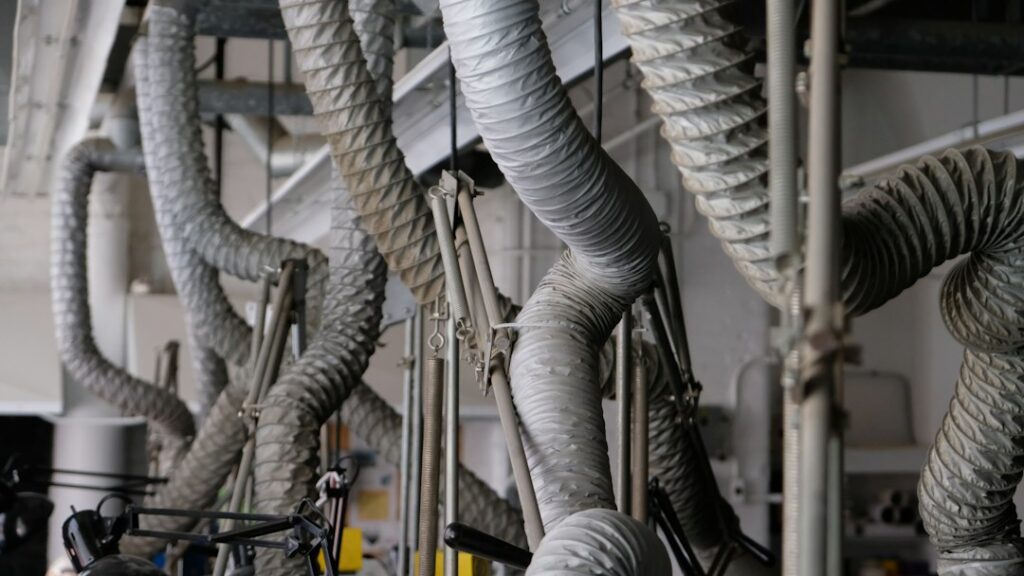
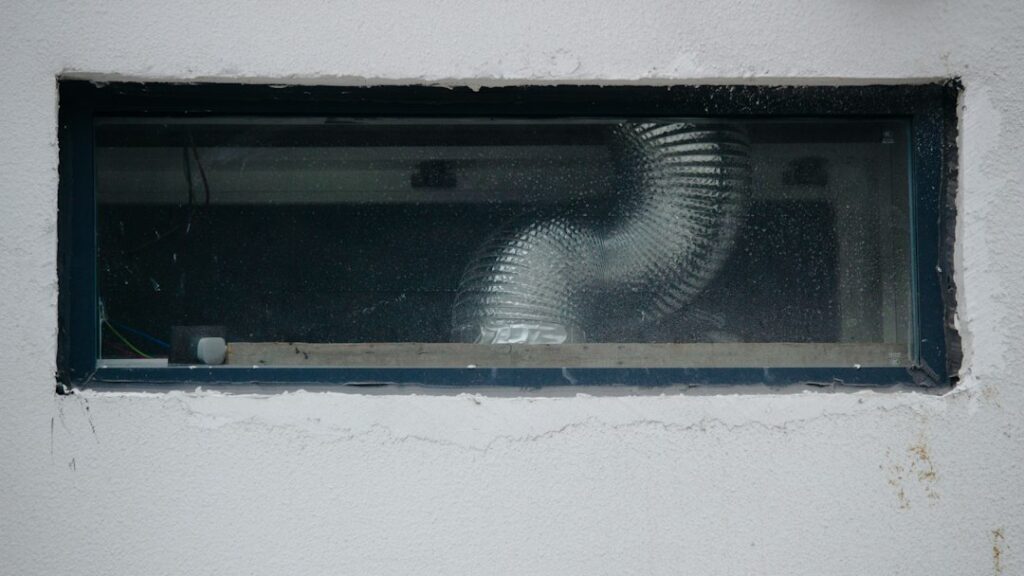
Dust and debris in ducts provide a food source for mold. Regular cleaning helps prevent growth. Additionally, sealing ducts minimizes air leakage, maintaining efficiency and reducing moisture entry. Professional duct cleaning services can ensure thorough cleaning and sealing.
Ventilation and Airflow
Proper ventilation reduces moisture and promotes air circulation. Ensure vents are unobstructed and consider using exhaust fans in areas prone to dampness. This helps dissipate humidity and prevent mold-friendly conditions.
“Effective mold prevention in HVAC systems hinges on controlling moisture, ensuring regular maintenance, and addressing airflow issues.”
When to Call a Professional
If you suspect mold in your HVAC system, professional assessment and remediation are vital. Mold can pose serious health risks, and effective removal often requires specialized equipment and expertise. Contact Calgary contractors or those in your local area for immediate assistance.
Practical Steps to Take Today
Start by checking your HVAC filters and ensuring your home maintains proper humidity levels. Schedule regular maintenance and inspections to keep your system running smoothly. By addressing these key areas, you can help prevent mold and maintain a healthy home environment.
Frequently asked questions
What are the health risks of mold in HVAC systems?
Mold in HVAC systems can cause respiratory issues, allergies, and exacerbate asthma symptoms. It releases spores into the air, affecting indoor air quality and potentially leading to health problems.
How often should HVAC systems be maintained?
HVAC systems should be professionally maintained at least once a year. Regular maintenance helps catch issues early, improving system efficiency and reducing the risk of mold and other problems.
Can I clean HVAC ducts myself?
While basic cleaning around vents can be done yourself, thorough duct cleaning is best left to professionals. They have the equipment and expertise to effectively remove mold and debris.
What signs indicate mold in my HVAC system?
Signs of mold include musty odors, visible growth around vents or ducts, and increased allergy symptoms among household members. If you notice these, consider a professional inspection.
Is mold more common in certain climates?
Yes, mold is more common in humid climates where moisture levels are naturally higher. It's important to control indoor humidity regardless of the outdoor climate to prevent mold growth.