
Hybrid HVAC systems often offer greater energy efficiency and cost savings compared to traditional systems, especially in climates with varying temperatures. However, their initial setup can be more expensive, and they may not be ideal for every home. Understanding the differences helps in choosing the right system for your needs.
What is a Hybrid HVAC System?
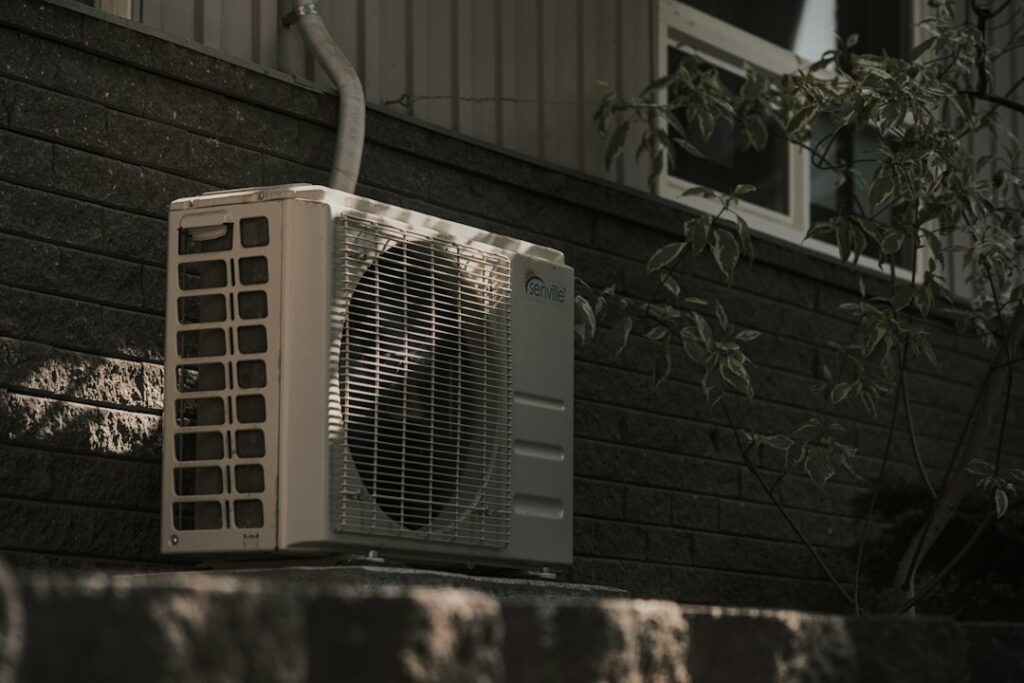
A hybrid HVAC system combines a traditional furnace with a heat pump. This allows homeowners to switch between the two depending on the weather. In mild conditions, the heat pump provides efficient heating and cooling. When temperatures drop significantly, the system can switch to the furnace for more robust heating.
Efficiency and Cost Savings
The main advantage of hybrid systems is their energy efficiency. By using the most efficient heating method depending on the outside temperature, homeowners can save on energy bills. In regions with cold winters and mild summers, this can lead to significant savings over time.
Hybrid systems can lead to substantial energy savings, especially in areas with diverse seasonal temperatures.
While the initial cost is higher, the long-term savings on energy bills can offset this. However, the exact savings depend on local energy prices and climate.
Suitability for Different Climates
Hybrid systems are particularly beneficial in regions with temperature fluctuations. They might not be as advantageous in areas with consistent year-round climates. For example, in a place like Calgary, where temperatures can vary widely, a hybrid system can switch modes to maximize efficiency. In contrast, traditional systems might suffice in more stable climates.
Installation and Maintenance Considerations
Installing a hybrid system can be more complex compared to a traditional HVAC system. It’s important to hire experienced HVAC contractors to ensure proper installation. Maintenance for hybrid systems involves regular checks of both the furnace and the heat pump, which can be more involved than maintaining a single system.
Environmental Impact
For homeowners concerned about environmental impact, hybrid systems tend to be greener. By using the heat pump for most of the year, fossil fuel consumption is reduced. However, the environmental benefits depend on the energy sources used for electricity and gas in your area.
Cost Comparison
Initial costs for hybrid systems are typically higher than traditional HVAC systems due to the dual components. However, government rebates and incentives for energy-efficient upgrades might be available. Over the lifespan of the system, savings on energy bills can make up for the difference.
To find out more about potential savings or installation options in your area, consult local HVAC contractors in Toronto or other major Canadian cities.
Practical Tips for Homeowners
Before deciding on a hybrid or traditional HVAC system, consider your local climate, energy costs, and budget. Consult with local professionals to understand the best options for your home. Regular maintenance is key to maximizing efficiency and extending the lifespan of any HVAC system.
Frequently asked questions
What are the main benefits of a hybrid HVAC system?
Hybrid HVAC systems offer increased energy efficiency and cost savings by using the most efficient heating or cooling method depending on outdoor temperatures, especially beneficial in areas with varying climates.
Are hybrid HVAC systems more expensive than traditional ones?
Yes, the initial cost of hybrid systems can be higher due to their dual components. However, energy savings over time may offset this initial investment, depending on local energy prices and usage.
Is a hybrid HVAC system suitable for all climates?
Hybrid systems are best suited for regions with a wide range of temperatures throughout the year. In areas with stable climates, traditional systems might be more suitable and cost-effective.
How do hybrid HVAC systems impact the environment?
Hybrid systems can reduce fossil fuel consumption by relying on a heat pump for much of the year. Their environmental benefits depend on the energy sources used for electricity and gas in your area.
What maintenance is required for a hybrid HVAC system?
Hybrid systems require regular maintenance checks for both the furnace and heat pump. This includes typical tasks like cleaning filters and inspecting components, which can be more complex than maintaining a single system.