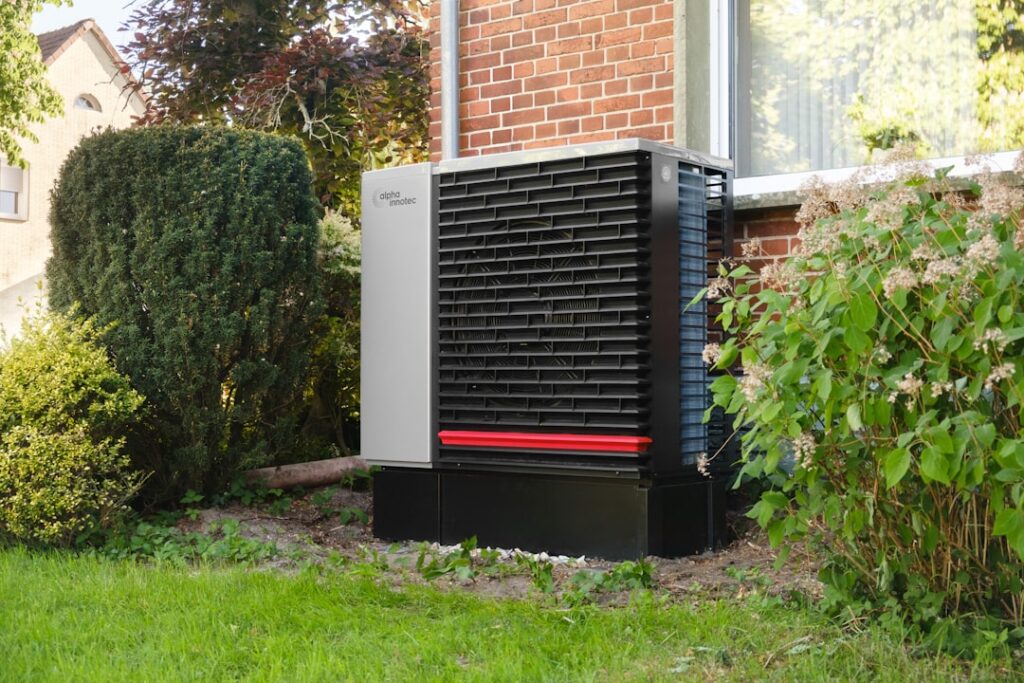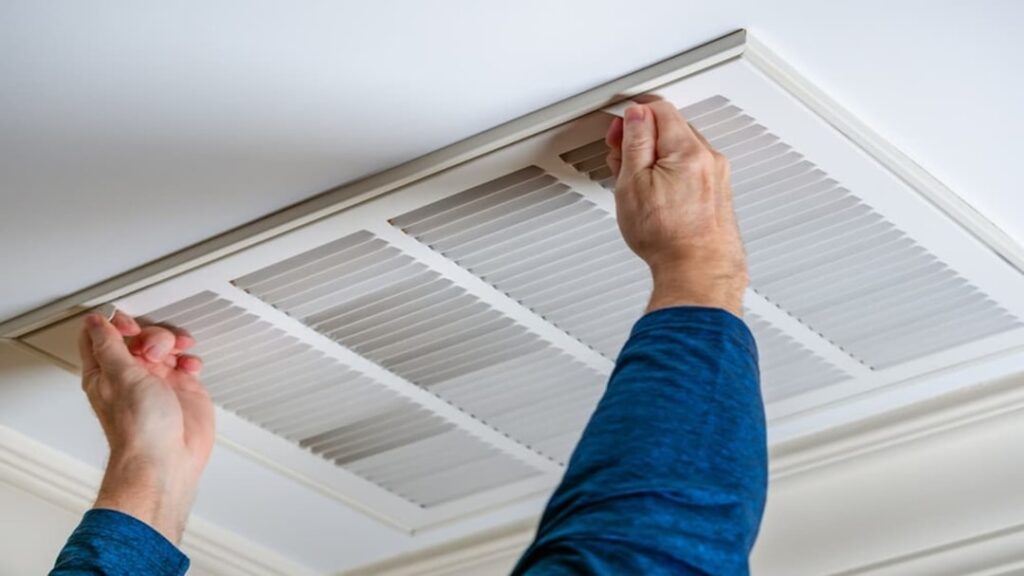
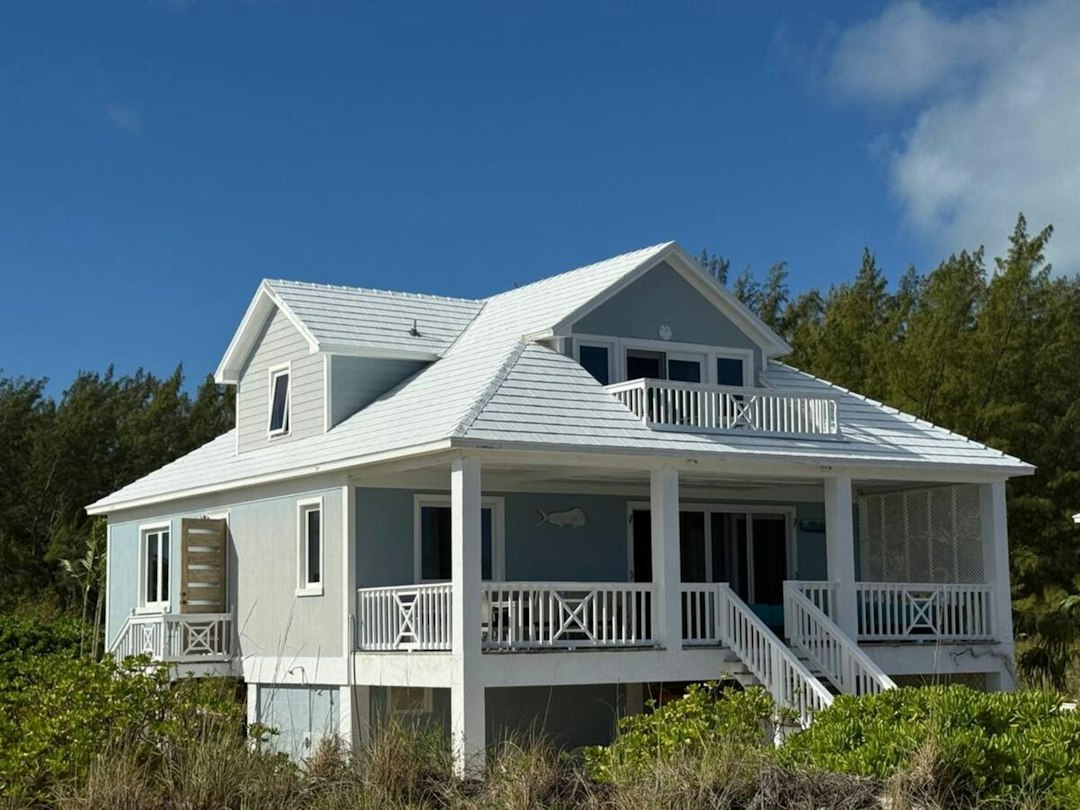
In coastal climates, the best HVAC systems are those designed to resist corrosion and manage high humidity levels. Look for units with protective coatings and materials that withstand salt air, and ensure they have features to efficiently dehumidify your home.
Understanding Coastal Climate Challenges
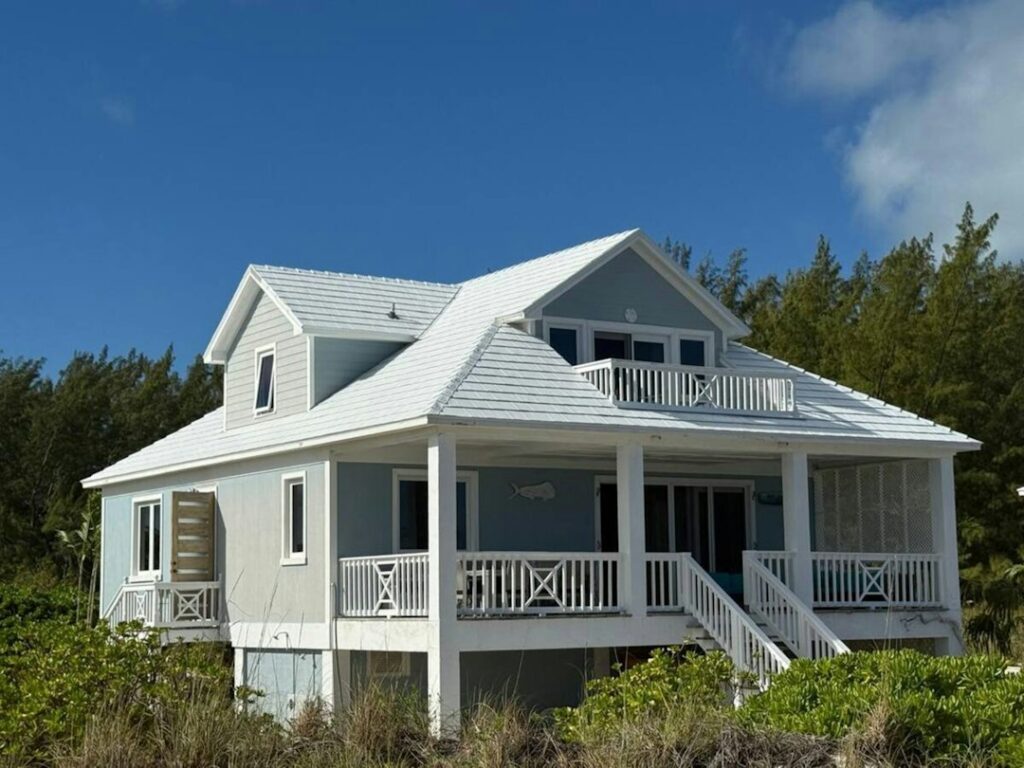
Living near the coast means dealing with a unique set of environmental challenges. High humidity and salt-laden air can lead to corrosion and reduced efficiency in HVAC systems. Equipment not designed for these conditions may fail prematurely.
When selecting an HVAC system, focus on models specifically built to combat corrosion. This will help ensure longevity and consistent performance.

Features to Look for in Coastal HVAC Systems
To get the most out of your HVAC in a coastal area, prioritize systems with the following features:
- Corrosion-resistant materials: Units made with stainless steel or with special coatings are more durable in salty environments.
- Enhanced dehumidification: High humidity is a constant challenge; systems that efficiently remove moisture improve comfort and system lifespan.
- Sealed components: Protects critical parts from exposure to salt air.
Considerations for Energy Efficiency
Energy efficiency is crucial for reducing energy bills and environmental impact. Coastal HVAC systems should offer high SEER (Seasonal Energy Efficiency Ratio) ratings. While initial costs may be higher, the savings over time can be significant.
Opt for systems with variable speed technology, which adjusts to your home’s needs and maintains consistent temperatures efficiently.
Maintenance Tips for Longevity
Regular maintenance is key to keeping your HVAC system running smoothly. In coastal climates, this includes:
- Frequent inspections: Regularly check for signs of corrosion or wear.
- Professional cleaning: Schedule cleanings to remove salt deposits and debris.
- Protective measures: Use covers or shelters to limit direct exposure to salt air.
Consulting with a local HVAC professional can help tailor maintenance to your specific needs. Consider finding local experts in our contractor directory.
The Role of Smart HVAC Systems
Smart technology can enhance the performance of HVAC systems in coastal areas. Systems with smart thermostats and sensors can optimize humidity control and energy use. This technology can provide notifications for maintenance needs, preventing small issues from becoming major problems.
In coastal climates, prioritize HVAC systems with corrosion-resistant materials and enhanced dehumidification features.
Consulting Professionals for Installation
Choosing the right system is just the first step. Proper installation by a qualified professional ensures your system’s efficiency and longevity. It’s essential to work with contractors who understand the nuances of coastal environments. Explore local contractors for recommendations.
Practical Next Steps
Once you’ve chosen the right system, focus on regular upkeep and monitoring. Stay informed about new technologies that can offer additional protection and efficiency. This proactive approach will help you enjoy a comfortable home environment despite the challenges of living by the coast.
Frequently asked questions
What makes coastal climates challenging for HVAC systems?
Coastal climates have high humidity and salt in the air, which can lead to corrosion and reduced efficiency in HVAC systems. Equipment not designed for these conditions may fail prematurely.
What materials are best for HVAC systems in coastal areas?
HVAC systems in coastal areas should use corrosion-resistant materials like stainless steel or have special coatings to withstand salty air and prolong system life.
How often should coastal HVAC systems be maintained?
Coastal HVAC systems should be inspected and cleaned more frequently than those in other regions. Regular maintenance helps prevent corrosion and ensures efficient operation.
Can smart HVAC systems help in coastal environments?
Yes, smart HVAC systems can optimize humidity control and energy use, and provide maintenance alerts, making them beneficial for coastal environments.