Improving HVAC airflow starts with well-designed vents and efficient ductwork. Ensuring vents are unobstructed and properly sized can enhance airflow in your home, making it more comfortable. If you notice uneven heating or cooling, adjusting vent design may help.
Understanding Vent Placement
Proper vent placement is crucial for effective airflow. Vents should be positioned away from obstructions like furniture or heavy drapes. This allows air to circulate freely throughout the room.
Consider the needs of each room. Bedrooms might benefit from vents placed higher to avoid drafts, while living areas could have them lower for better air mixing.
Choosing the Right Vent Size
Vent size affects how air flows through your system. Vents that are too small restrict airflow, causing inefficiency. On the other hand, oversized vents might not adequately distribute air.
Consult an HVAC professional to determine the correct size for your home. They can assess your system and recommend appropriate adjustments.
Ductwork and Airflow
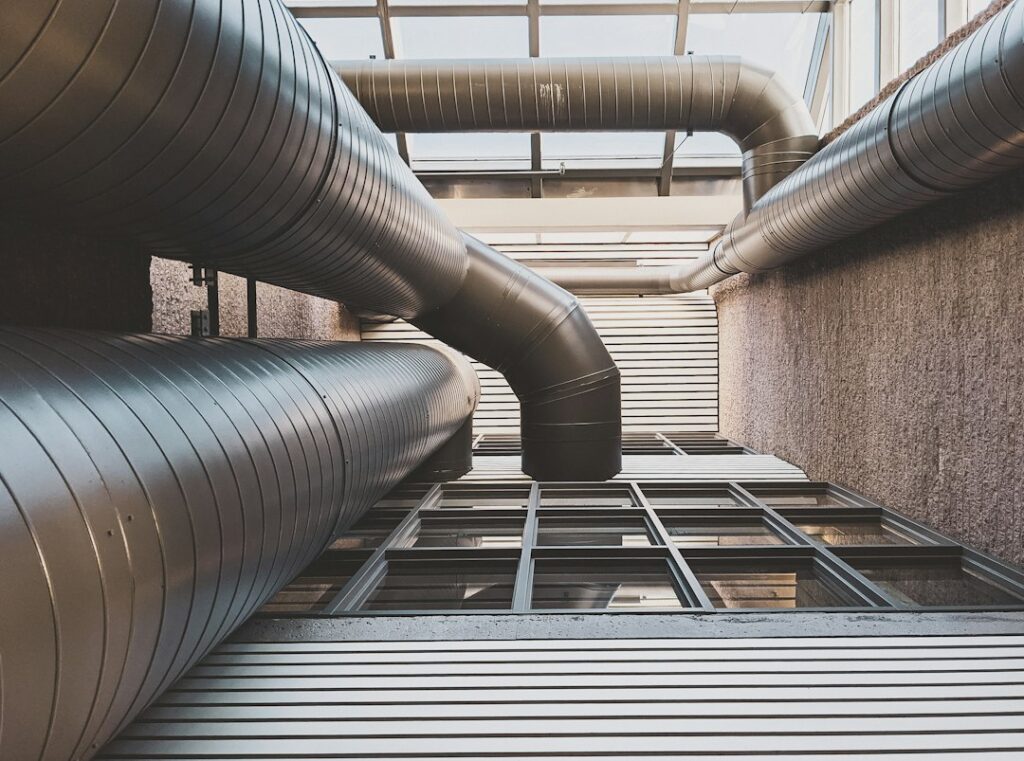
Efficient ductwork is as important as the vents themselves. Leaky or poorly insulated ducts can lose air, reducing system efficiency.
Seal and insulate ductwork to prevent air loss. This ensures that conditioned air reaches its intended destination without escaping into unconditioned spaces.
Properly sealed and insulated ducts ensure that conditioned air reaches its intended destination efficiently.
Using Adjustable Louvers
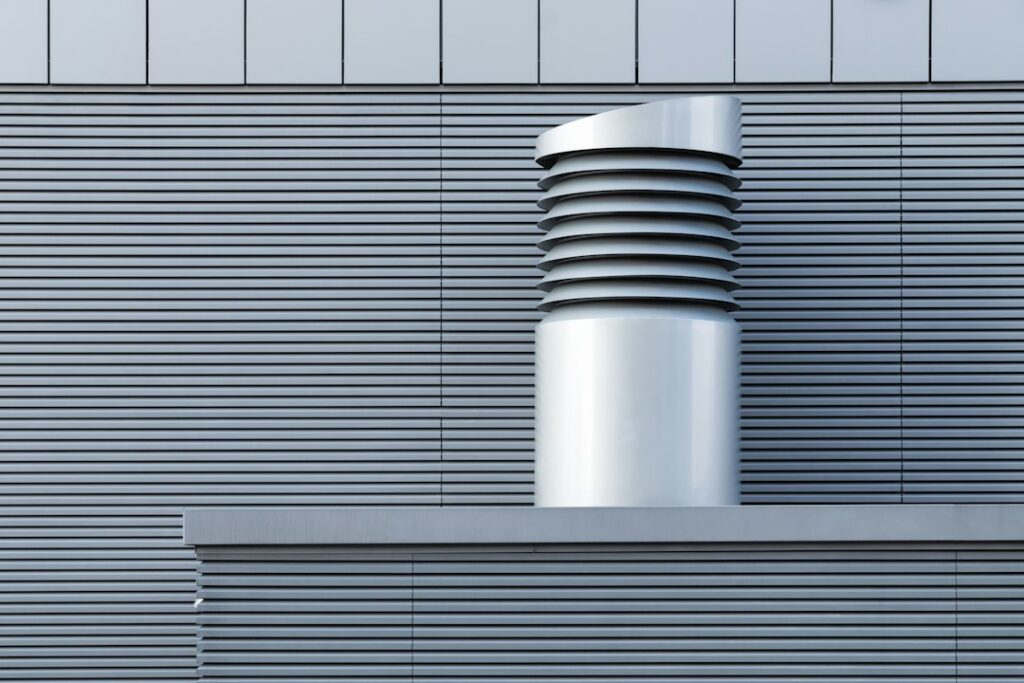
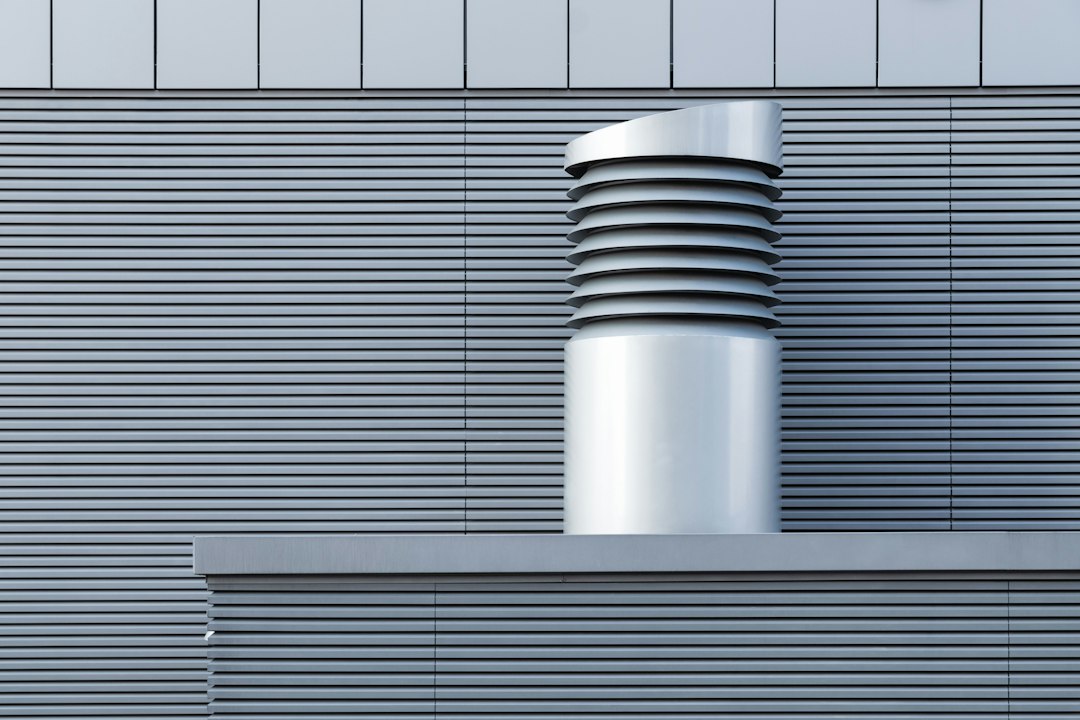
Adjustable louvers offer flexibility to control airflow direction. These can be particularly useful in rooms with fluctuating temperatures or those that receive uneven airflow.
Adjusting louvers seasonally can help maintain comfort. For example, directing warm air downward in the winter and cool air upwards in the summer.
Regular Maintenance and Inspection
Regular maintenance is key to maintaining optimal airflow. This includes cleaning vents and changing filters frequently.
Dirt and debris can block vents, reducing efficiency. Schedule regular inspections to catch and address any issues early.
Consulting a Professional
If you’re unsure about vent design or ductwork, consulting an HVAC professional can provide peace of mind. They can assess your home’s needs and suggest improvements.
Professionals can also perform tasks that homeowners shouldn’t, like working on gas lines or electrical configurations.
Find a reliable HVAC professional in your area, whether you’re in Toronto or Montreal, to ensure your system is running efficiently.
Practical Steps to Enhance Airflow
- Ensure vents are unobstructed by furniture.
- Regularly clean and maintain your HVAC system.
- Consult professionals to inspect and adjust ductwork and vent sizes.