
How Does Humidity Affect HVAC Efficiency?

Humidity levels can significantly affect your HVAC system’s efficiency by making it work harder to maintain comfort in your home. High humidity can cause your air conditioner to run longer, while low humidity can lead to heating inefficiencies. Managing humidity levels can optimize the performance and lifespan of your HVAC system. The Impact of High […]
Winter Energy Savings with Heat Pumps
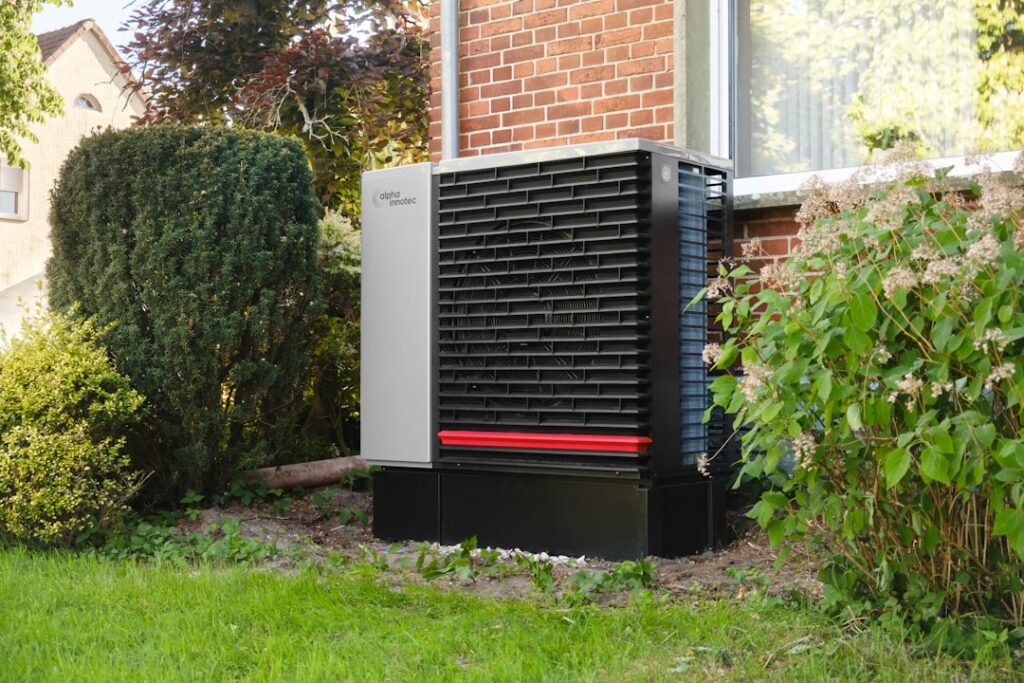
To maximize winter energy savings with a heat pump, ensure your system is well-maintained and temperatures are set correctly. Proper installation and regular maintenance are also crucial for efficiency. Understanding Heat Pump Operation Heat pumps work by transferring heat from outside to inside your home. They are more efficient than traditional furnaces, especially in mild […]
How to Insulate Your Home for Maximum Furnace Efficiency
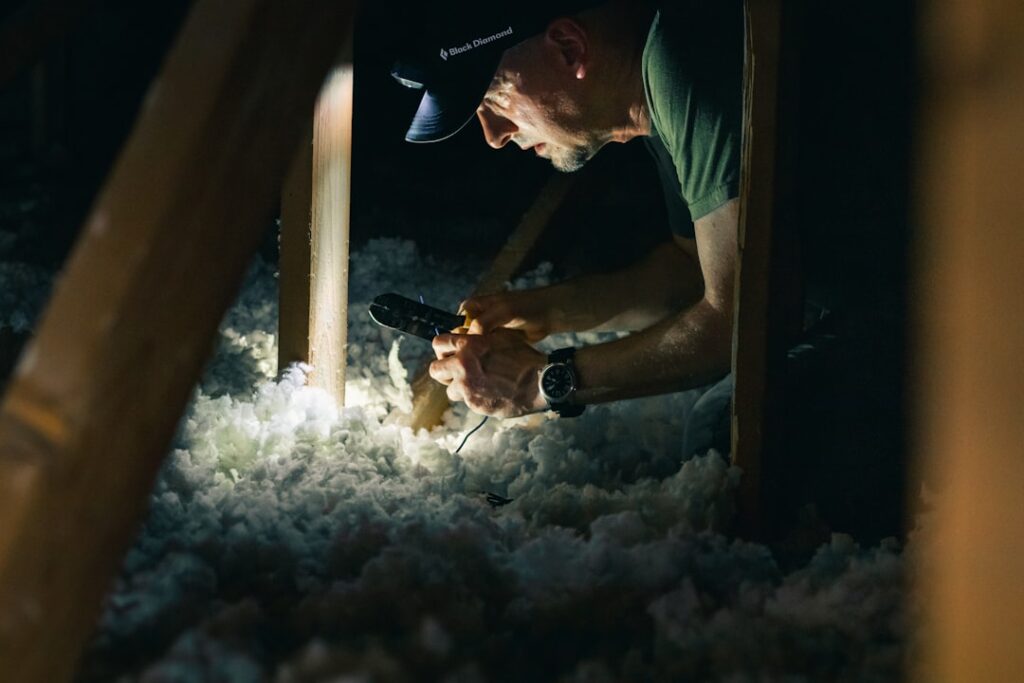
To insulate your home for maximum furnace efficiency, focus on sealing drafts, upgrading attic insulation, and ensuring walls and floors are properly insulated. These steps can significantly reduce heat loss and cut heating costs. Seal Drafts and Air Leaks Drafts can undermine furnace efficiency by allowing warm air to escape and cold air to enter. […]
What is the Ideal Thermostat Setting for Winter in Canada?
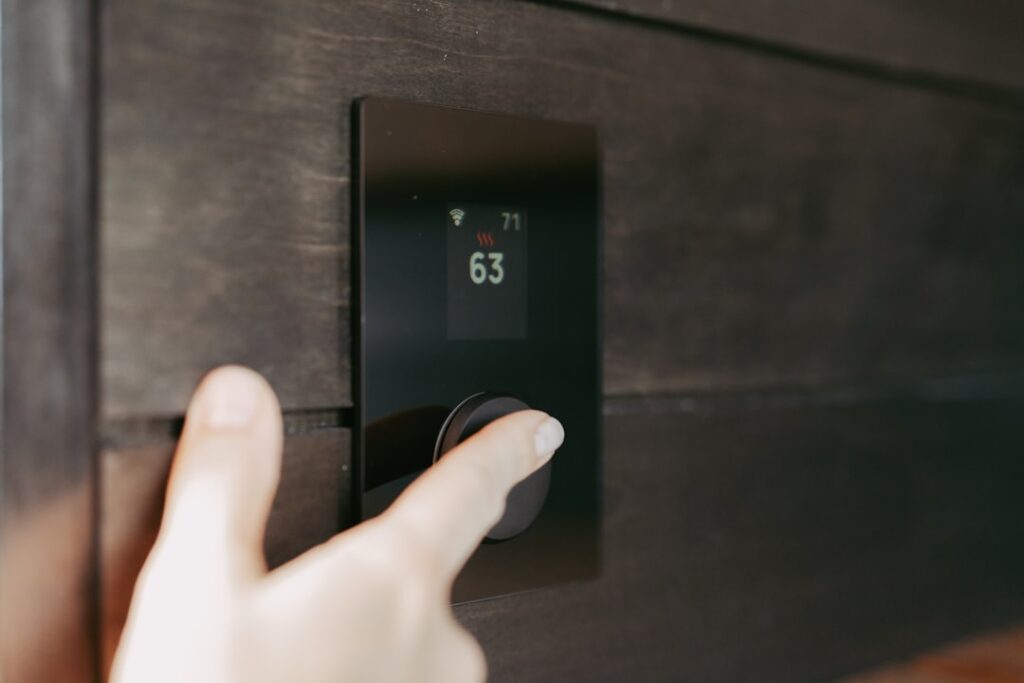
For most Canadian homes, setting your thermostat to 20-22°C during the day and lowering it to 16-18°C at night balances comfort with energy efficiency. Adjusting these settings by a degree or two can lead to noticeable savings without compromising warmth. Understanding Canadian Winters Canada’s winter climate can vary significantly, from milder conditions in British Columbia […]
Should You Turn Off Your AC When Not at Home?
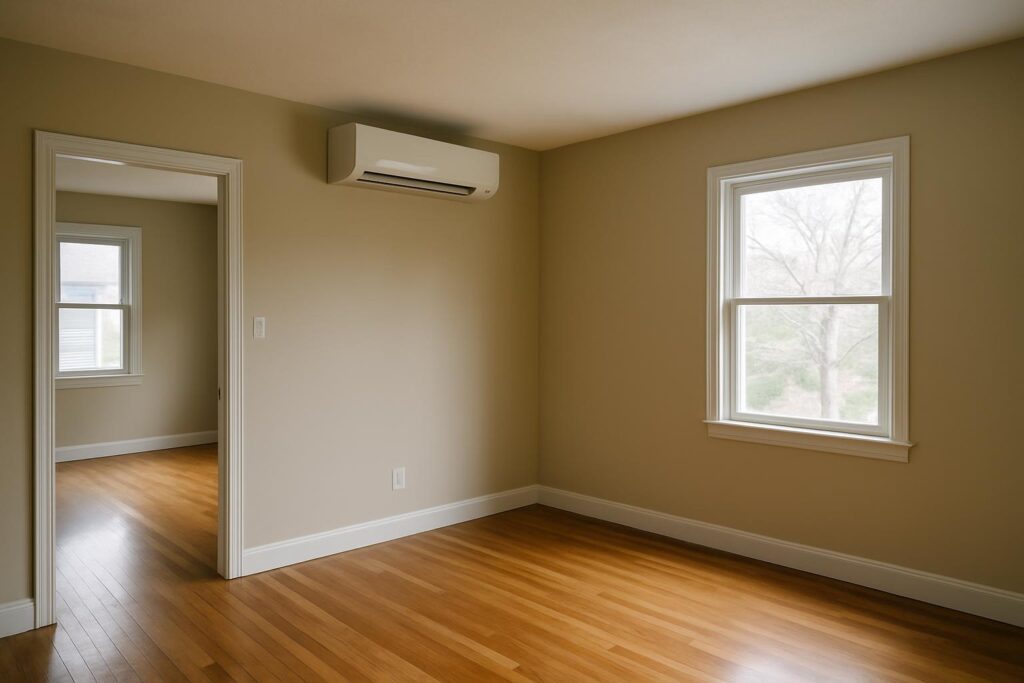
If you’re stepping out for a few hours or even the whole day, turning off your AC can save energy, but it may lead to increased wear and tear in some cases. Consider your system’s age, local climate, and how long you’ll be gone to make the best choice. Understanding Energy Savings Turning off your […]
Should You Run HVAC Fan 24/7?
Proper Ventilation for Cooking Why cooking ventilation matters Cooking is one of the largest sources of indoor air pollution. Gas burners emit nitrogen dioxide and carbon monoxide, while all cooking produces fine particles (PM2.5), moisture, and grease aerosols. Without effective capture and exhaust, these pollutants spread through the home and linger long after meals. Effective […]
Understanding SEER Ratings

Why Proper Ventilation Matters in the Kitchen Cooking produces more than delicious smells—there’s heat, moisture, grease particles, and sometimes combustion byproducts. Without a well-designed ventilation system, these pollutants linger in your home and wreak havoc on indoor comfort. The Big Benefits of Proper Ventilation Removes smoke, odors, and airborne grease Reduces excess heat and humidity […]
How HVAC Influences Your Electricity Bill
Why Proper Kitchen Ventilation Matters Imagine this: you’re frying vegetables on high heat, roasting a chicken, and simmering a pot of sauce all at once. Your kitchen becomes a chaotic mix of steam, smoke, heat, and airborne particles. Without a good vent hood, all of that stays indoors—coating cabinets, triggering smoke alarms, and making the […]
How to Use Ceiling Fans with HVAC

Ever notice how your kitchen feels stuffy when the stove’s on full blast, even though your HVAC system is running? The secret to solving this lies in understanding how ceiling fans, range hoods, and your HVAC system work together. It’s not just about comfort—it’s about creating a balanced environment where air moves efficiently and cleanly, […]
Energy Star Ratings: What They Mean
Why Proper Kitchen Ventilation Matters Cooking generates heat, moisture, and airborne particles that can affect both air quality and comfort. A properly ventilated kitchen removes: Smoke and odors Steam and excess humidity Airborne grease particles Without effective ventilation, those contaminants linger — coating surfaces, affecting indoor air quality, and even making your HVAC system work […]