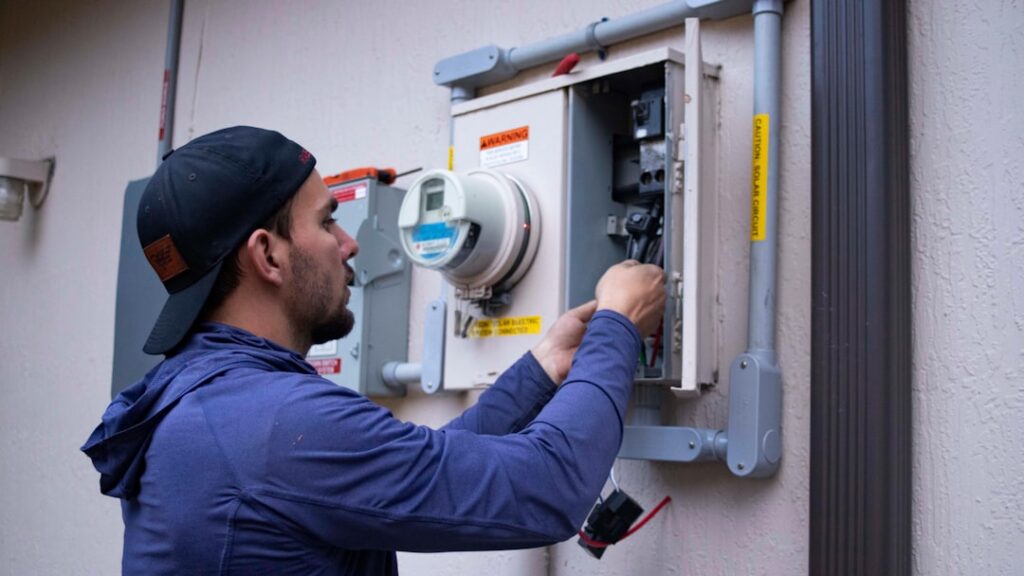

Humidity levels can significantly affect your HVAC system’s efficiency by making it work harder to maintain comfort in your home. High humidity can cause your air conditioner to run longer, while low humidity can lead to heating inefficiencies. Managing humidity levels can optimize the performance and lifespan of your HVAC system.
The Impact of High Humidity on Cooling Systems
In summer, high humidity makes it feel warmer than it is. Your air conditioner has to do extra work to remove moisture from the air before cooling can happen. This extra load can lead to increased energy consumption and wear on the system.
- Increased energy bills: With more moisture to remove, your AC runs longer, using more power.
- Wear and tear: Longer running times mean more frequent maintenance and a shorter lifespan for parts.
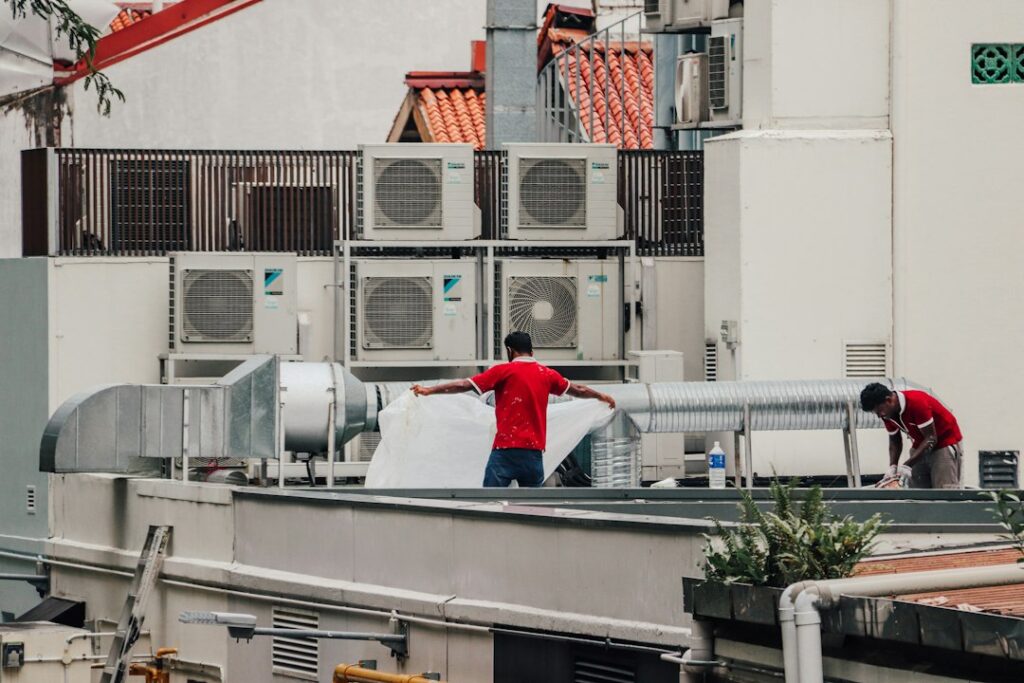
Low Humidity and Heating Systems
During winter, low humidity dries out the air, making your heating system work harder to maintain a comfortable environment. This can result in dry skin and respiratory issues.
- Increased energy use: Your furnace or heat pump may have to stay on longer to reach the desired temperature.
- Health concerns: Dry air can aggravate respiratory conditions and dry out skin.
How to Measure and Control Indoor Humidity
To manage humidity, you first need to know your current levels. A hygrometer can help measure the humidity in your home. Aim for a relative humidity of 30-50% for comfort and efficiency.
- Dehumidifiers: Remove excess moisture in summer to ease the load on your AC.
- Humidifiers: Add moisture in winter to prevent your heating system from overworking.
Integrating Humidity Control with HVAC Systems
Modern HVAC systems often come with built-in humidity controls, but older systems might need an upgrade. Consult with a professional to explore options like installing whole-home humidifiers or dehumidifiers.
Consider contractors in Calgary for expert advice on integrating these systems into your existing HVAC setup.
Benefits of Proper Humidity Management
Achieving the right balance of humidity not only improves comfort but also extends the life of your HVAC system and reduces energy consumption.
Proper humidity management can extend the lifespan of your HVAC system while saving on energy bills.
By managing humidity, you prevent mold growth and other moisture-related issues that can damage your home.
Practical Tips for Homeowners
Regular maintenance checks by professionals can ensure your system deals effectively with humidity. Seasonal inspections and cleanings help maintain efficiency and performance.
Check out our contractors in Mississauga for reliable service options.
Frequently asked questions
What is the ideal humidity level for a home?
The ideal indoor humidity level is typically between 30% and 50%. This range helps maintain comfort and efficiency in your heating and cooling systems.
How does humidity affect energy bills?
High humidity forces air conditioners to work harder, increasing electricity use and bills. Low humidity can lead to higher heating costs as systems struggle to maintain warmth.
Can humidity control improve air quality?
Yes, managing humidity levels can improve air quality by reducing mold growth and dust mites, which thrive in high humidity environments.
Should I use a portable or whole-home dehumidifier?
Both have their advantages, but a whole-home dehumidifier integrated with your HVAC system offers more consistent control throughout your house.
How often should I check my home's humidity levels?
It's a good idea to check humidity levels at least once a season, or more frequently if you notice discomfort or efficiency issues with your HVAC system.