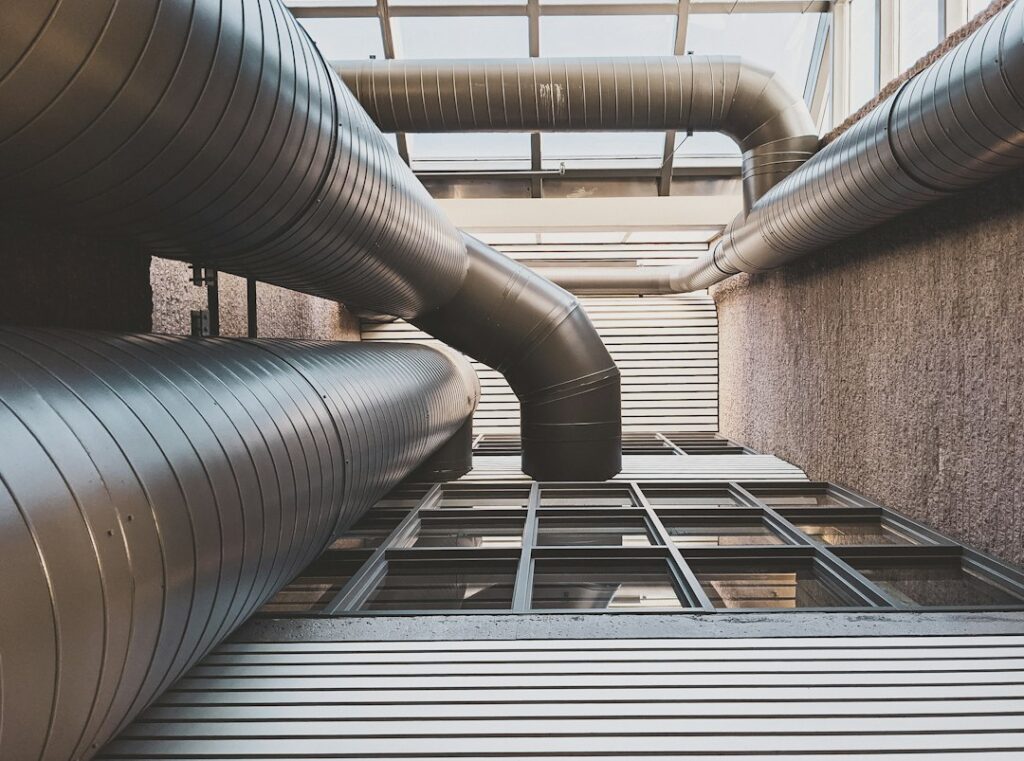
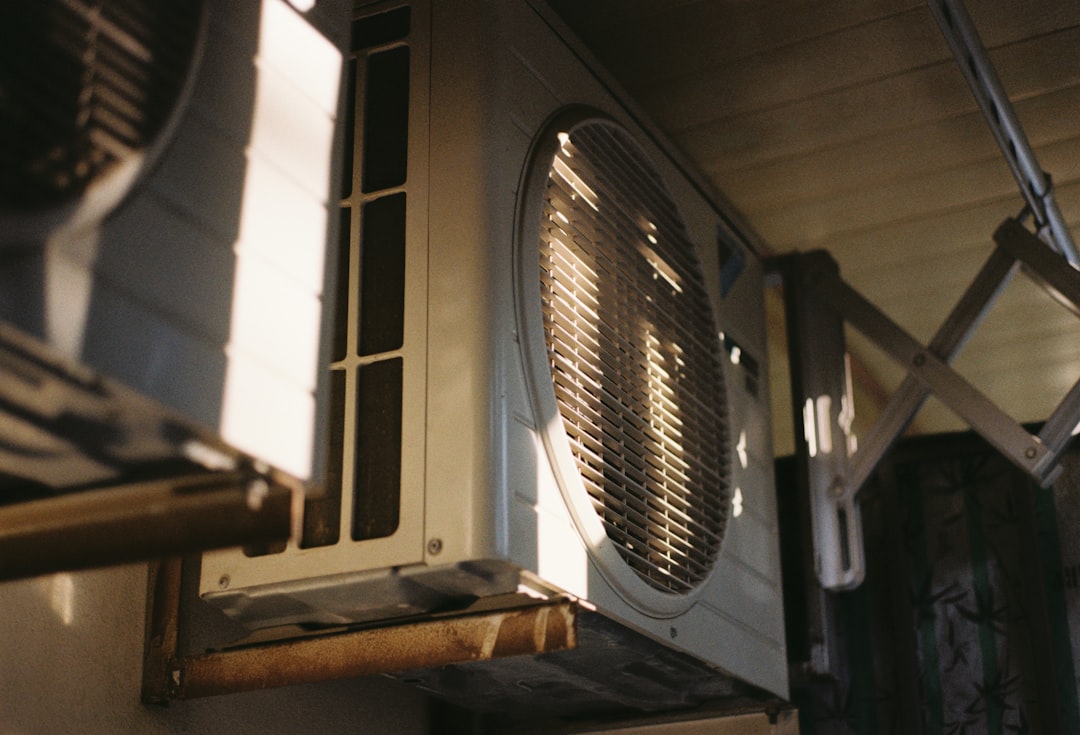
The environmental impact of your HVAC system is mainly determined by its energy efficiency and the type of refrigerant it uses. Systems that consume less energy and use eco-friendly refrigerants have a smaller carbon footprint. Understanding these factors can help you make more environmentally responsible choices.
Understanding Carbon Footprint in HVAC Systems
The carbon footprint of an HVAC system is primarily influenced by its energy consumption and refrigerant type. Energy consumption is linked to how much electricity or gas the system uses, while refrigerants can contribute to greenhouse gas emissions.
Energy Efficiency and Its Importance
Energy-efficient HVAC systems use less electricity to produce the same amount of heating or cooling. This can significantly reduce the system’s carbon footprint. Look for systems with a high SEER (Seasonal Energy Efficiency Ratio) rating for cooling and AFUE (Annual Fuel Utilization Efficiency) for heating.
Refrigerants: What You Need to Know
Refrigerants are crucial in cooling systems but can be harmful to the environment if not managed properly. Older systems may use R-22, a refrigerant being phased out due to its ozone-depleting properties. Newer systems use more environmentally friendly options like R-410A.
Reducing Your HVAC System’s Environmental Impact
Regular Maintenance
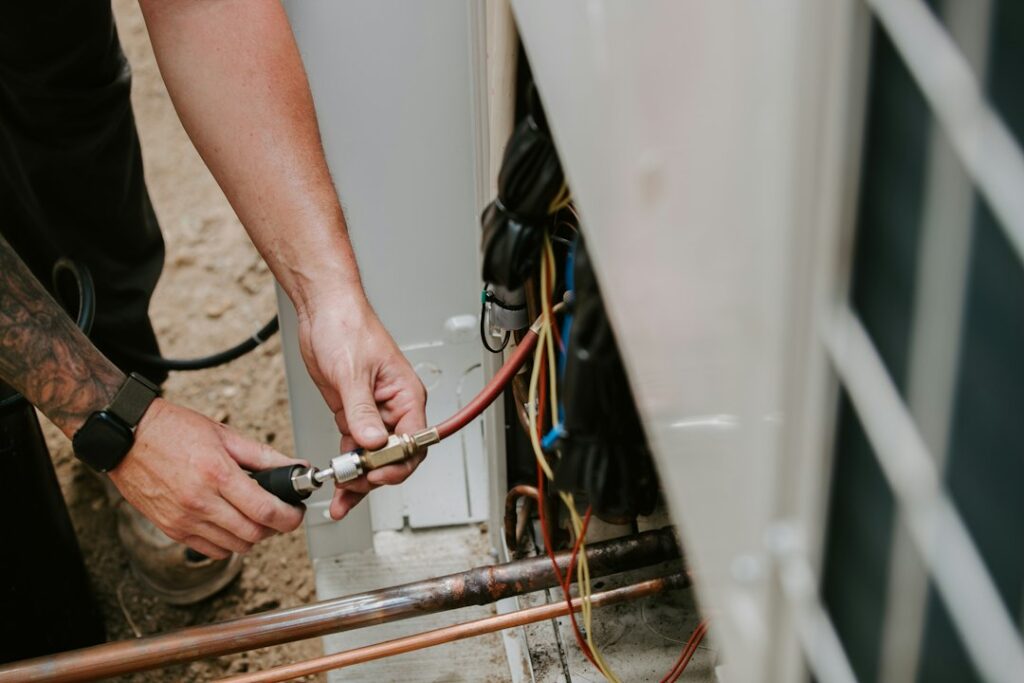
Proper maintenance ensures your system runs efficiently, reducing energy waste. This includes changing filters, cleaning coils, and checking for leaks.
Smart Thermostats
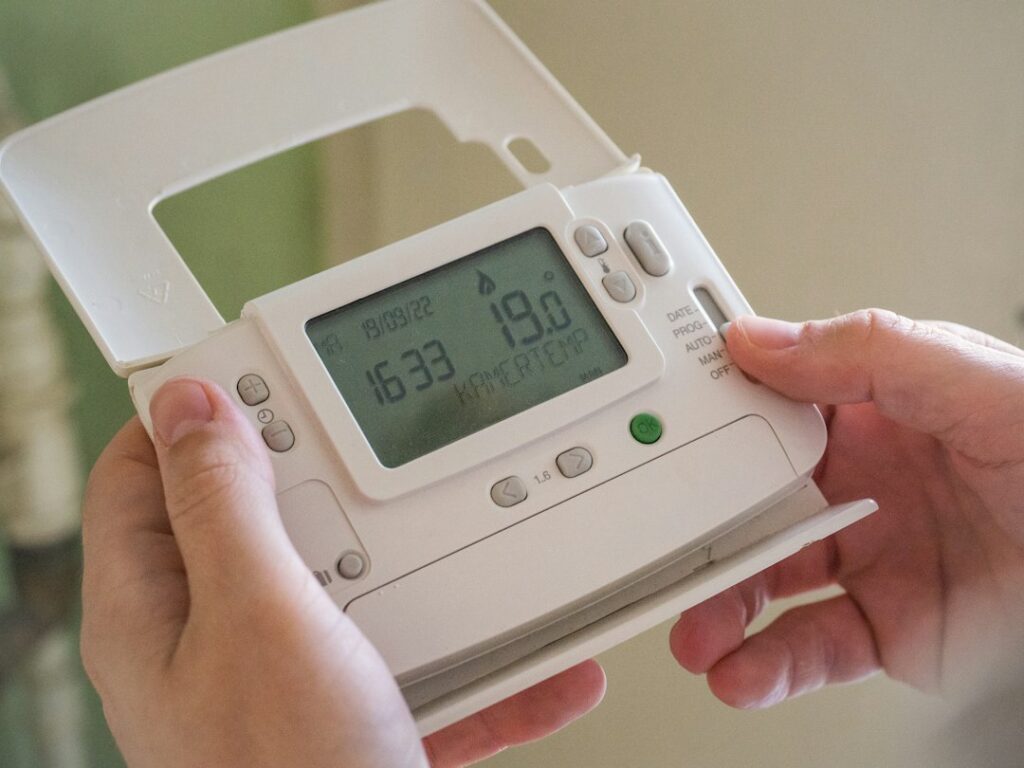
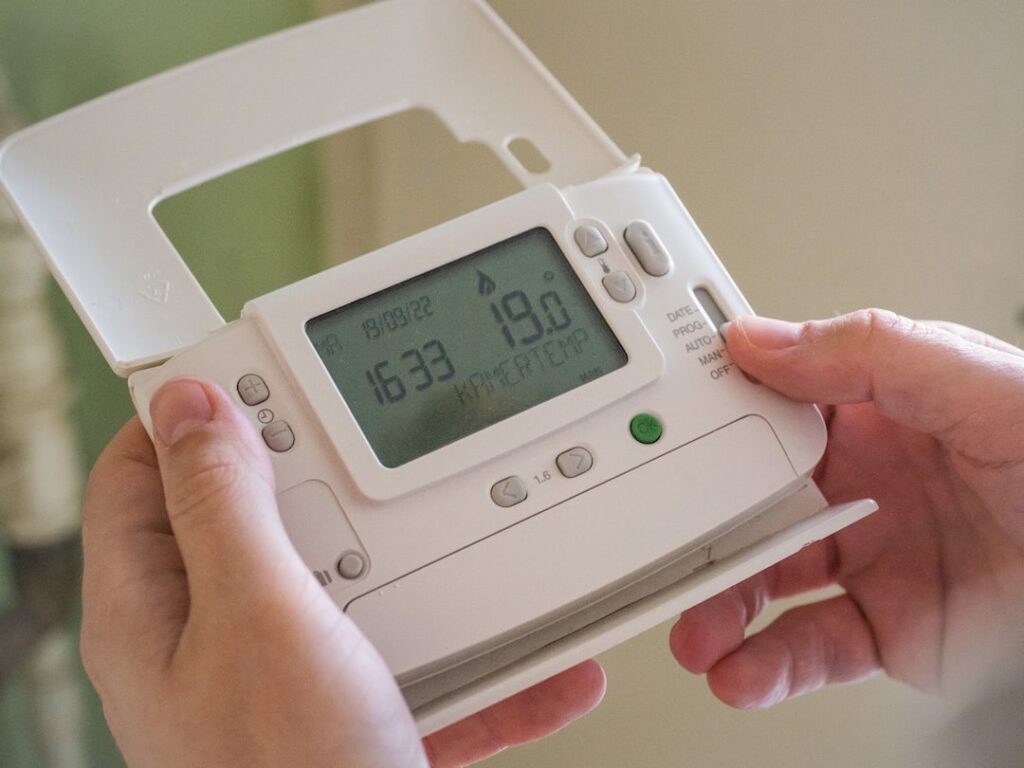
Installing a smart thermostat can optimize your HVAC usage by adjusting temperatures when you’re not at home, leading to energy savings.
Consider Alternative Systems
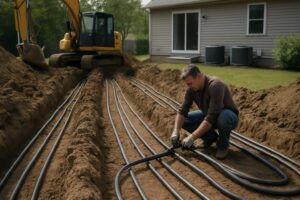
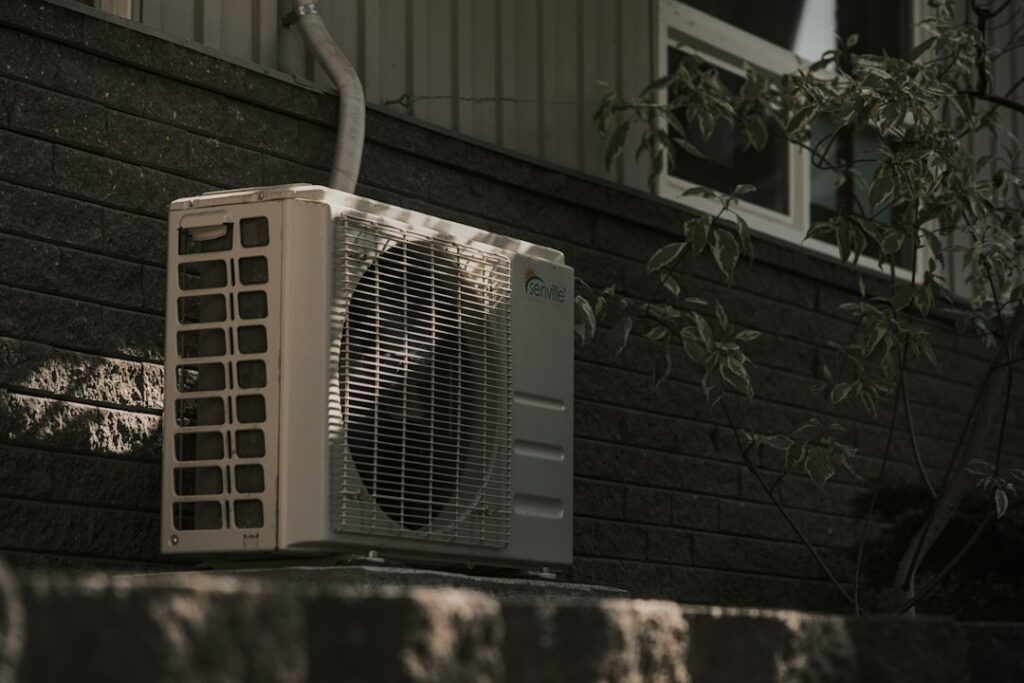
Heat pumps and ductless mini-splits are efficient alternatives to traditional HVAC systems. They often consume less energy and can reduce your overall environmental impact.
Replacing Your Old HVAC System
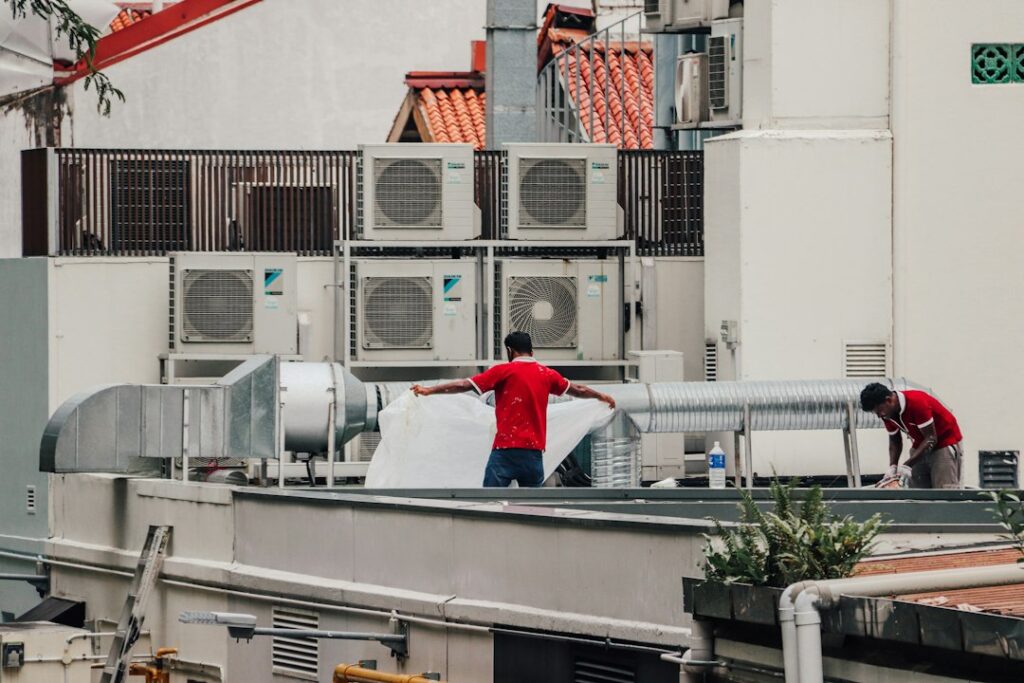
If your system is over 15 years old, it might be time to consider a replacement. Newer systems are generally more energy-efficient and environmentally friendly. Consult with professionals, like those listed in our HVAC contractor directory, to explore your options.
Upgrading to an energy-efficient HVAC system can significantly reduce your home’s carbon footprint and lower energy bills.
Local Resources and Incentives
Many provinces offer incentives for upgrading to energy-efficient systems. Check local resources or speak with contractors in your area, such as those in Calgary, to learn about available programs.
Taking Action
Start by assessing your current system’s efficiency and refrigerant type. Consult with a local contractor to explore upgrades or replacements that could make your home more eco-friendly. Regular maintenance and the use of smart technology can also contribute to reducing your HVAC’s environmental impact.