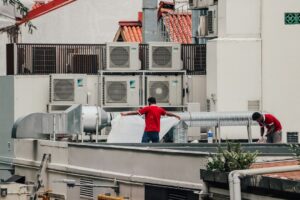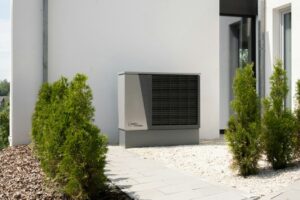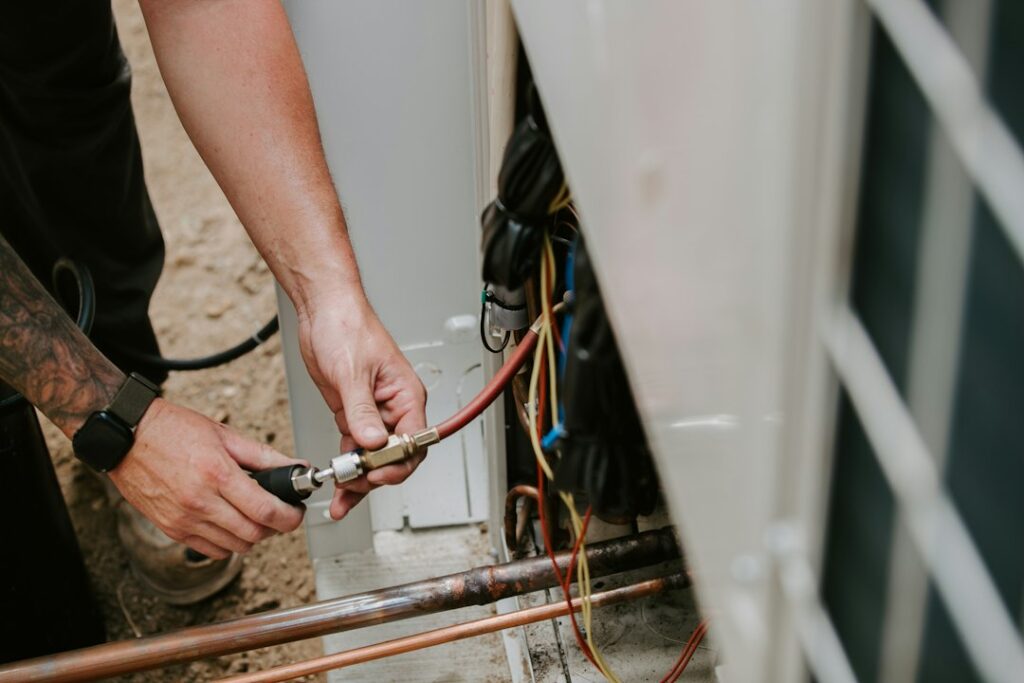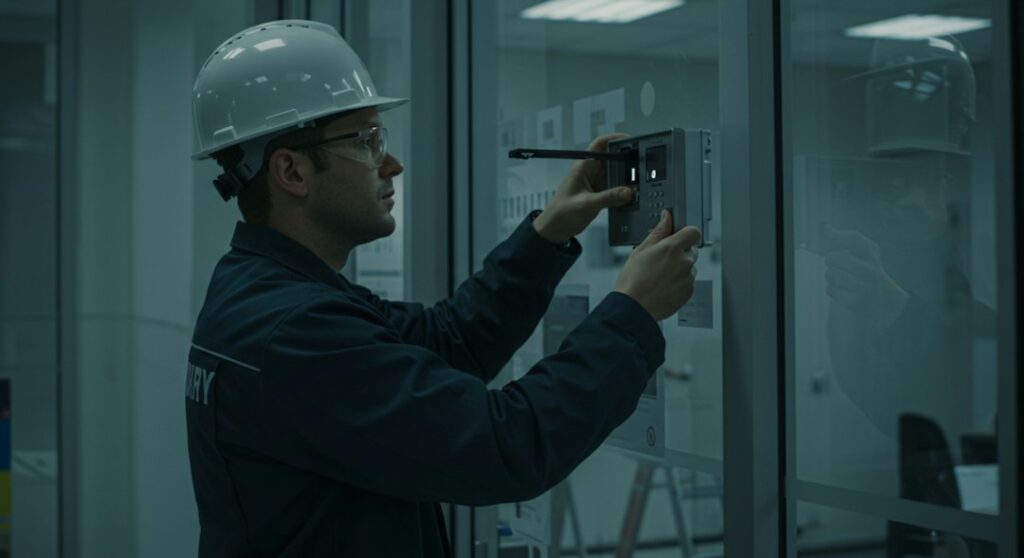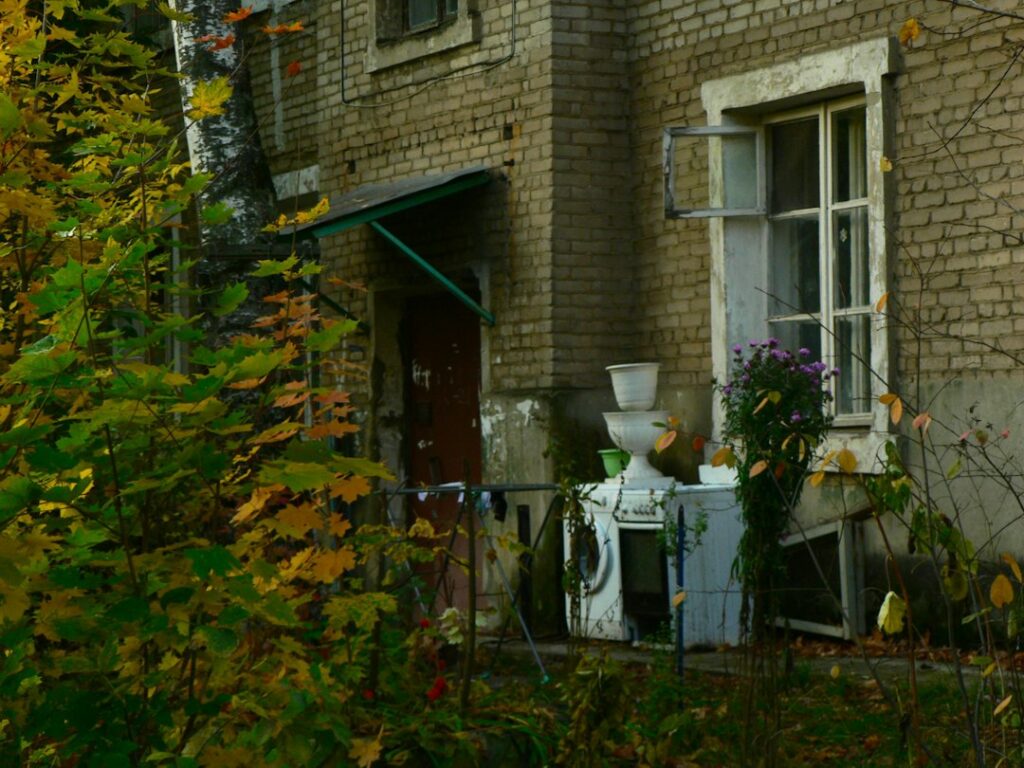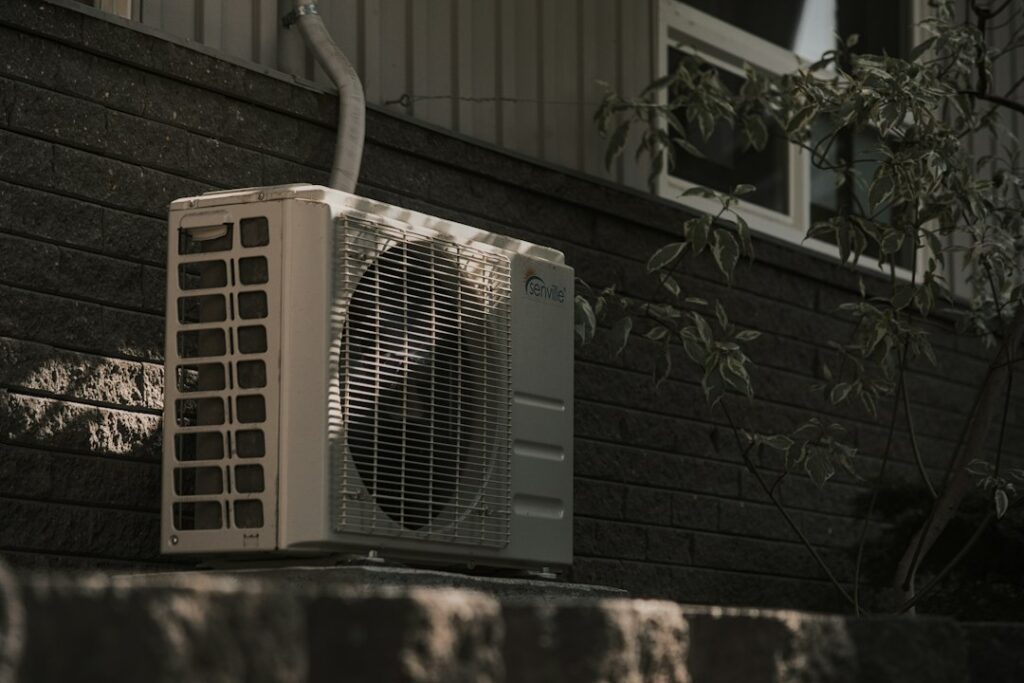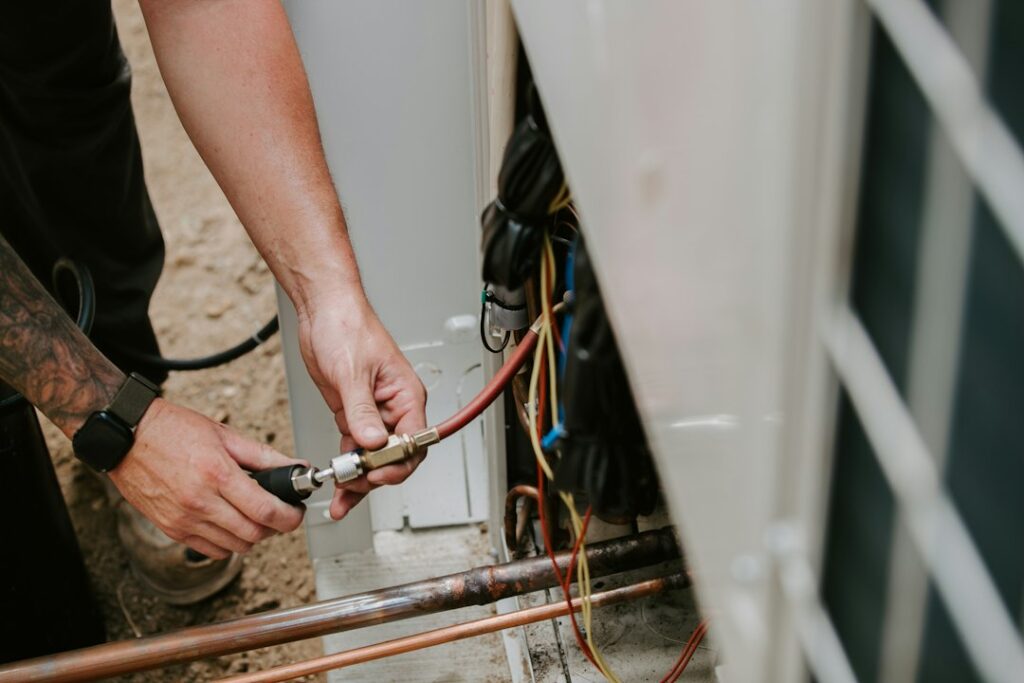
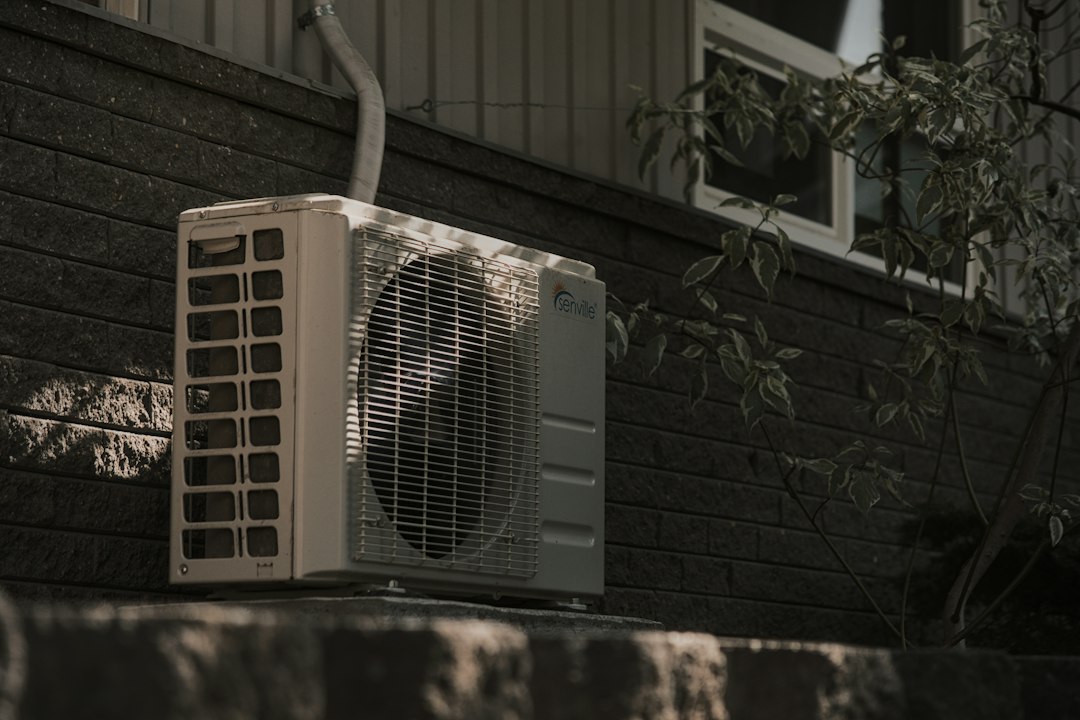
Retrofitting an old home with a modern HVAC system can vary widely in cost, often ranging from several thousand to over ten thousand dollars depending on factors like the size of the home, existing infrastructure, and desired system. Homeowners should budget for potential ductwork adjustments and energy efficiency upgrades, which can increase both initial and long-term expenses.
Factors Affecting Retrofitting Costs
The cost of retrofitting an old home with a modern HVAC system depends on various factors. The condition of existing ductwork, the type and size of the new system, and the home’s energy efficiency all play a role in determining the final price.
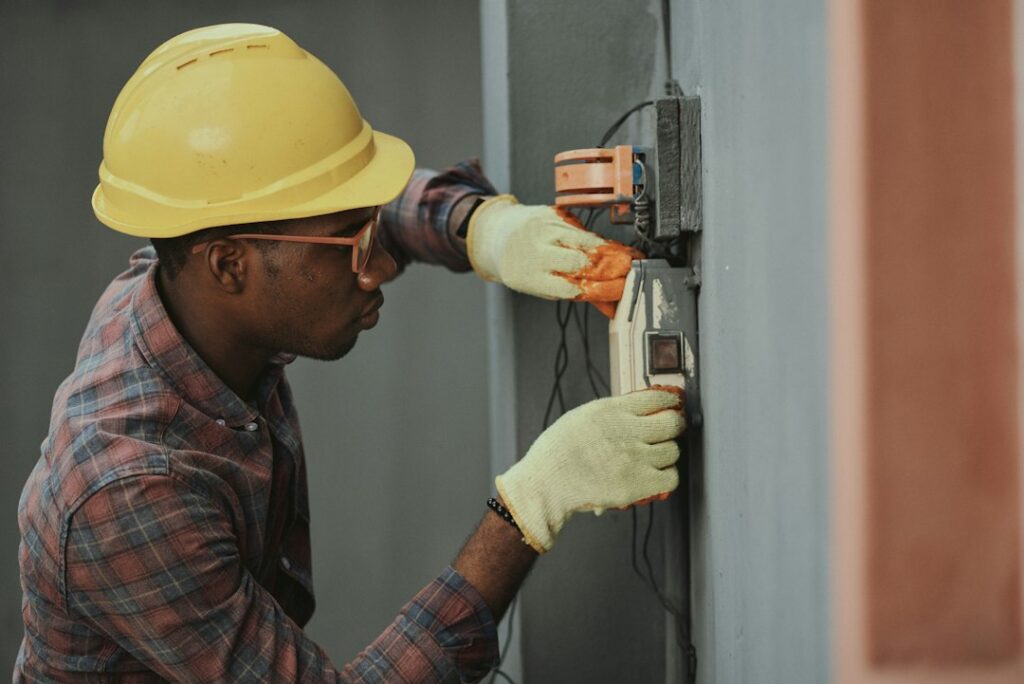
Size and Type of HVAC System
The larger the home, the more powerful and often more expensive the HVAC system needs to be. Systems range from basic models to high-efficiency units, which can cost significantly more but offer savings on energy bills over time.
Choosing the Right System
When selecting a system, consider both upfront costs and potential energy savings. High-efficiency models may have higher initial costs but can reduce monthly heating and cooling expenses.
Ductwork Modifications
In many older homes, existing ductwork may not be suitable for a new HVAC system. Repairs, replacements, or extensions may be necessary, each adding to the overall project cost.
- Repairing existing ducts can be an affordable option if damage is minimal.
- Replacing or installing new ducts is more costly but may be necessary for optimal performance.
Energy Efficiency Upgrades
Improving a home’s energy efficiency can be an important part of the retrofitting process. Upgrades like better insulation or sealing can enhance the effectiveness of a new HVAC system, potentially lowering operation costs.
“Investing in energy efficiency upgrades during retrofitting can significantly improve your home’s comfort and reduce utility bills.”
Additional Considerations
Besides the main costs, keep in mind expenses such as permits, inspection fees, and the contractor’s labor charges. These can vary greatly depending on location and specific home circumstances.
Selecting a Contractor
Choosing the right contractor is crucial for a successful retrofit. Consider consulting a few professionals to compare estimates and services. Check our contractor directory to find qualified experts in your area.
Practical Steps Forward
Before proceeding with retrofitting, assess your existing system and consult with a professional to determine the best options for your home. Consider both the immediate costs and the long-term benefits of improved efficiency and comfort.
Frequently asked questions
How long does it take to retrofit an old home with a new HVAC system?
The timeline can vary, often taking from a few days to a couple of weeks. This depends on factors like the complexity of the installation and any necessary ductwork modifications.
What are the benefits of upgrading to a modern HVAC system?
Modern systems are generally more energy-efficient, which can lead to lower utility bills. They also provide improved home comfort and may increase property value.
Can I retrofit my HVAC system in stages to save on costs?
Yes, some homeowners choose to upgrade their system in stages, such as replacing the furnace first and then the air conditioner. Consult with a professional to plan effectively.