When comparing gas and oil furnaces, gas tends to be more efficient and cleaner for the environment, while oil furnaces often have lower upfront costs. Your choice will largely depend on fuel availability, budget, and personal preferences.
Efficiency Differences
Gas furnaces are generally more efficient than oil furnaces. They convert a higher percentage of fuel into usable heat. Modern gas furnaces can reach efficiency ratings of up to 98%, while oil furnaces typically range between 80% and 90%.
This efficiency means lower fuel costs over time. However, oil furnaces can have quick heat recovery times, which can be beneficial in very cold climates.
Cost Considerations
Initial installation costs for oil furnaces are often lower, but running costs can be higher due to the price of oil. Gas furnaces might have a higher upfront cost, especially if you need a gas line installed.
- Oil prices can fluctuate significantly, affecting annual heating costs.
- Natural gas prices are generally more stable, but availability can vary by region.
- Consider the long-term fuel costs when budgeting for a new furnace.
Environmental Impact
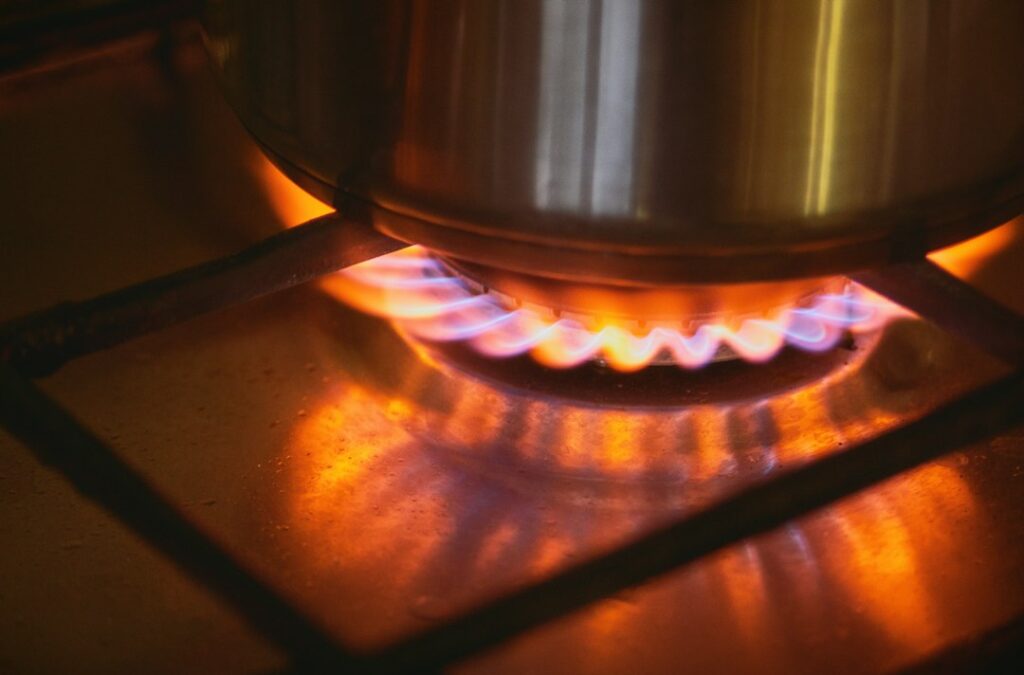
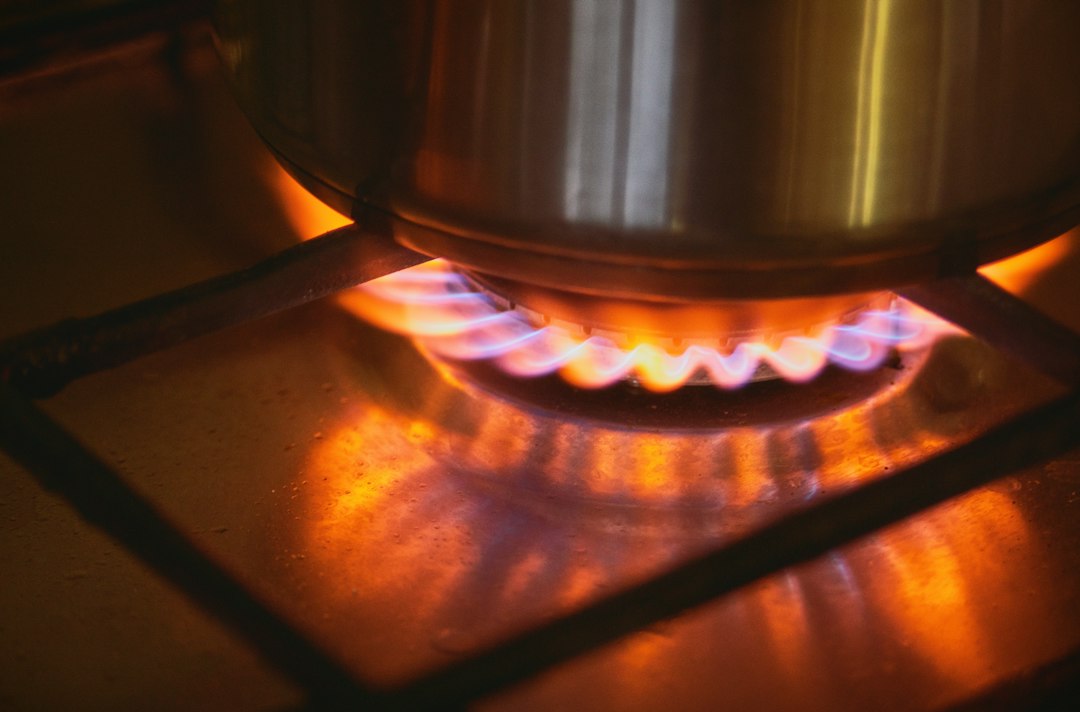
Gas furnaces are cleaner-burning than oil furnaces, producing fewer emissions. This makes gas a more environmentally friendly option.
For a cleaner and more efficient heating system, gas furnaces are typically the better choice.
Oil furnaces, while improving, still emit more carbon dioxide and other pollutants. However, some homeowners prefer oil due to its high heat output.
Fuel Availability
Your choice might be influenced by the availability of gas or oil in your area. Urban areas typically have better access to gas lines, whereas rural areas might rely more on oil delivery.
Check with local suppliers to understand the reliability and cost of fuel in your region. For homeowners in cities like Ottawa or Montreal, access to natural gas is usually not an issue.
Maintenance and Longevity
Both gas and oil furnaces require regular maintenance, but oil furnaces might need more frequent servicing due to soot and residue buildup.
A well-maintained furnace can last 15-20 years, regardless of type, but make sure to schedule annual check-ups with a reliable HVAC contractor. You can find contractors in your area using our directory.
Practical Closing
Choosing between a gas and oil furnace involves considering efficiency, costs, environmental impact, and fuel availability. Assess your priorities and consult with a local HVAC professional to find the best option for your home.