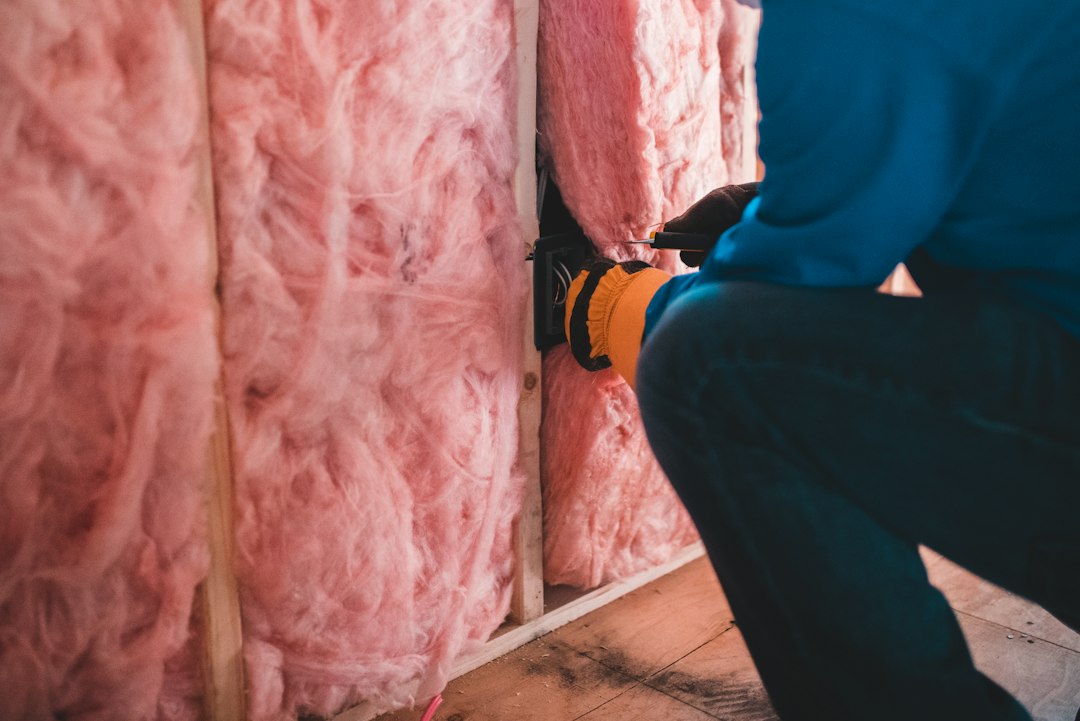
Proper insulation significantly enhances the efficiency of HVAC systems by reducing energy loss and maintaining indoor temperatures. This not only helps your system work more effectively but also lowers your energy bills. By improving insulation, homeowners can achieve better thermal comfort and extend the lifespan of their heating and cooling systems.
The Role of Insulation in HVAC Efficiency
Insulation acts as a barrier to heat loss and gain, keeping your home warmer in the winter and cooler in the summer. This means your HVAC system doesn’t have to work as hard to maintain a comfortable temperature. When heat escapes through poorly insulated walls or ceilings, your system compensates by running longer and using more energy.
Types of Insulation Materials
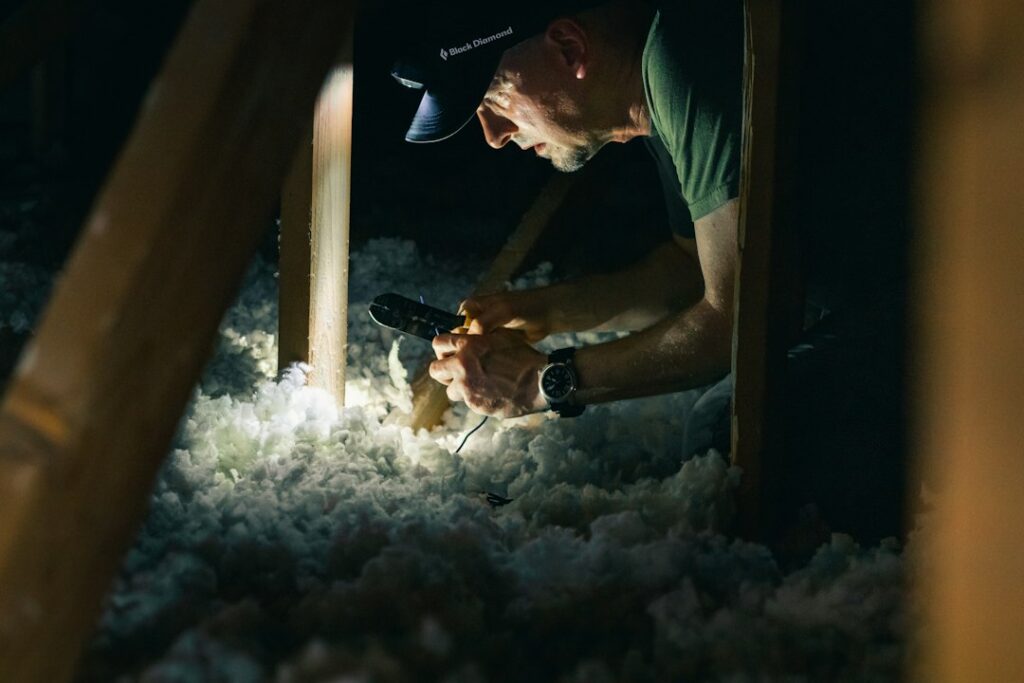
Choosing the right insulation material is crucial. Common options include fiberglass, cellulose, spray foam, and rigid foam. Each type has its benefits:
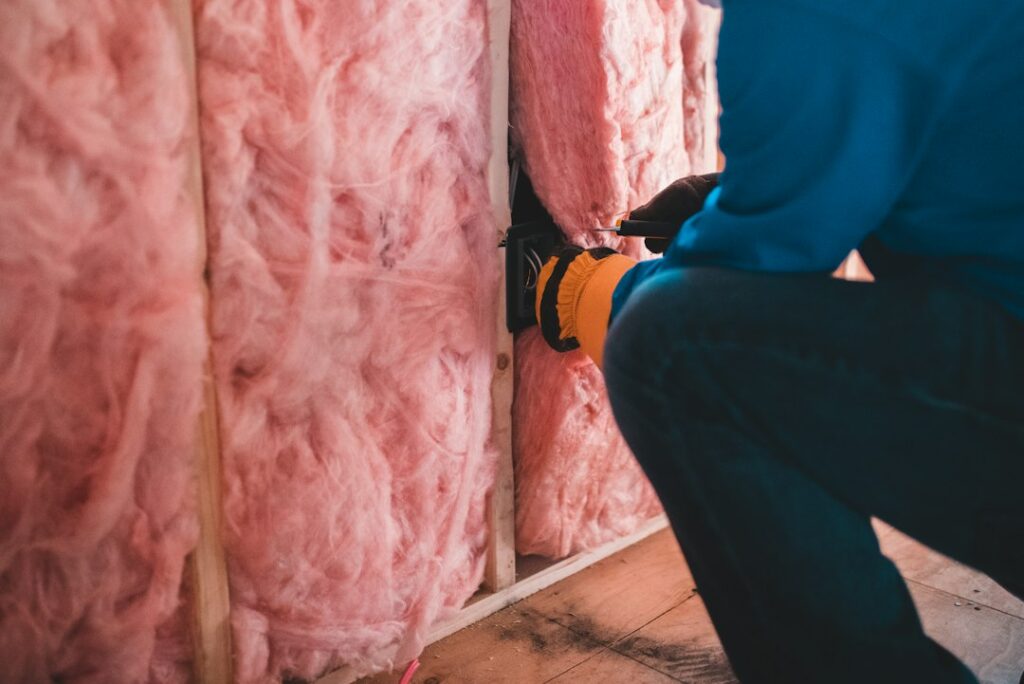
- Fiberglass: Cost-effective and widely used, good for walls and attics.
- Cellulose: Made from recycled paper, it’s environmentally friendly and effective for attics.
- Spray Foam: Provides excellent air sealing and insulation, ideal for tight spaces.
- Rigid Foam: Offers high insulation value, great for basements and exterior walls.
Insulation and Energy Savings
Adding or upgrading insulation can lead to significant energy savings. By reducing the workload on your HVAC system, you can expect lower utility bills. The initial investment in insulation can often pay for itself through reduced energy costs over time. The exact savings depend on your home’s current insulation level, local climate, and energy prices.
Improving your home’s insulation is one of the most effective ways to enhance HVAC efficiency and reduce energy bills.
Identifying Areas for Insulation Improvement
Common areas needing better insulation include attics, basements, and crawl spaces. It’s important to check for drafts around windows and doors, as these can also contribute to energy loss. Consider having an energy audit done to identify specific areas where insulation can be improved.
Installation Tips for Homeowners
While some insulation projects can be DIY, others might require professional help. For substantial projects, consider hiring a qualified contractor. If you’re in Toronto or Calgary, local HVAC contractors can offer guidance and services tailored to your needs. Remember, improper installation can negate the benefits of even the best insulation materials.
Maintaining HVAC Efficiency Year-Round
To ensure your HVAC system runs efficiently throughout the year, regular maintenance is key. Change filters regularly, seal leaks, and schedule annual check-ups with a professional. All these steps, combined with adequate insulation, will maximize your system’s performance and longevity.
Improving your home’s insulation is a straightforward way to boost HVAC efficiency and save on energy costs. By focusing on key areas and choosing the right materials, you can enjoy a more comfortable home environment and lower utility bills.