In-floor heating systems offer a cozy, energy-efficient heating solution for Canadian homes, but they come with both benefits and drawbacks. While they provide even heat distribution and can lower energy bills, installation costs and potential maintenance issues may pose challenges for some homeowners.
Efficiency and Comfort
In-floor heating provides a consistent and even heat distribution across rooms, eliminating cold spots. This system can be more energy-efficient than traditional heating methods since the heat rises naturally from the floor, warming the space efficiently.

Installation Costs
Installing in-floor heating can be expensive, often requiring significant upfront investment. The cost varies based on the type of system—hydronic or electric—and the size of the area being heated. Consider these factors and consult with local HVAC contractors to get precise estimates.
Maintenance and Repair
While in-floor systems are generally reliable, they can be challenging to repair if issues arise. Accessing the system often requires removing flooring, which can be both time-consuming and costly. Routine maintenance by professionals can help mitigate some risks.
Compatibility with Flooring Types
Not all flooring materials are suitable for in-floor heating. Tile and stone work well, but certain types of wood or carpet can insulate the heat, reducing efficiency. It’s crucial to choose compatible flooring to maximize the system’s benefits.
Environmental Impact
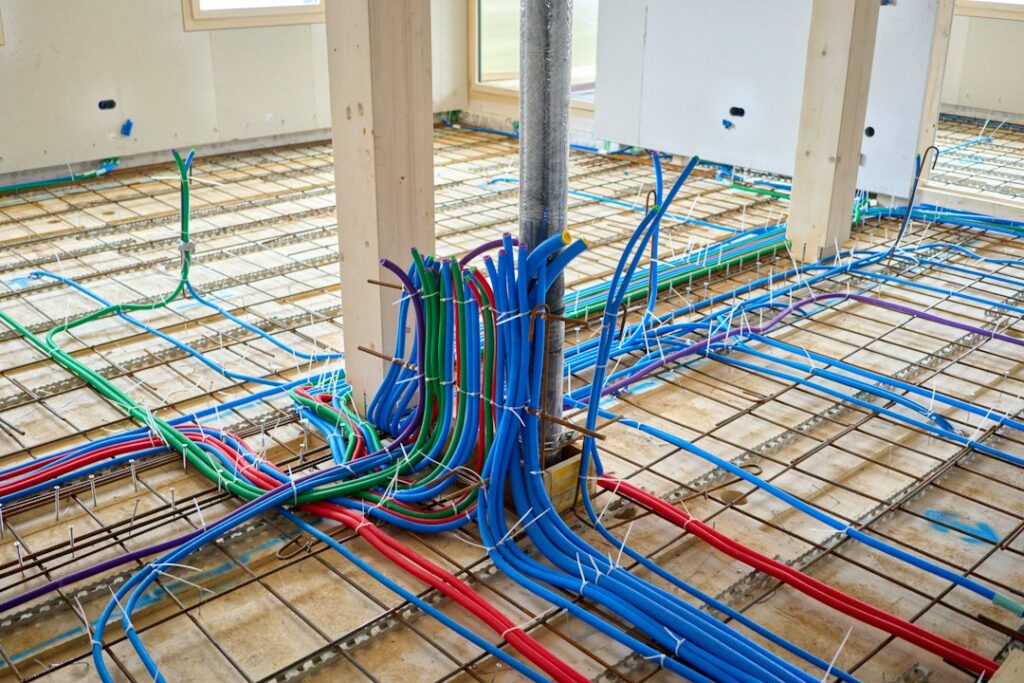
Hydronic in-floor heating systems, especially when combined with green energy sources, can reduce your carbon footprint. They use water warmed in a boiler, which can be powered by renewable energy, making them a more sustainable heating option.
In-floor heating provides a consistent and even heat distribution across rooms, eliminating cold spots.
Practical Considerations
Before deciding on in-floor heating, evaluate the climate in your area and your home’s overall insulation. Areas with extreme cold may still require additional heating sources. Consulting with local experts, such as those in Toronto, can help tailor a system to your specific needs.
Frequently asked questions
How long does in-floor heating installation take?
Installation time varies based on the system size and type. Generally, it can take from a few days to a couple of weeks, especially if existing flooring needs to be removed.
Is in-floor heating suitable for all home types?
In-floor heating can be installed in most home types, but older homes might require additional retrofitting. Consult with a professional to assess your specific circumstances.
Does in-floor heating work with all floor coverings?
Not all floor coverings are suitable. Hard surfaces like tile and stone are ideal, while some carpets and wood can hinder heat transfer. Check compatibility with your chosen flooring.
Can I use in-floor heating as my primary heat source?
In many cases, in-floor heating can serve as the primary heat source. However, in extremely cold regions, supplemental heating might be necessary.
What maintenance does in-floor heating require?
Routine checks by a professional are recommended to ensure efficiency and catch potential issues early. Annual inspections can help keep the system running smoothly.