To reduce HVAC noise, start by identifying and addressing the main sources of the sound. This could involve tightening loose parts, insulating ducts, or adding soundproofing materials around the system. Regular maintenance is key to keeping your system running quietly.
Regular Maintenance
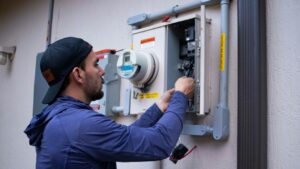
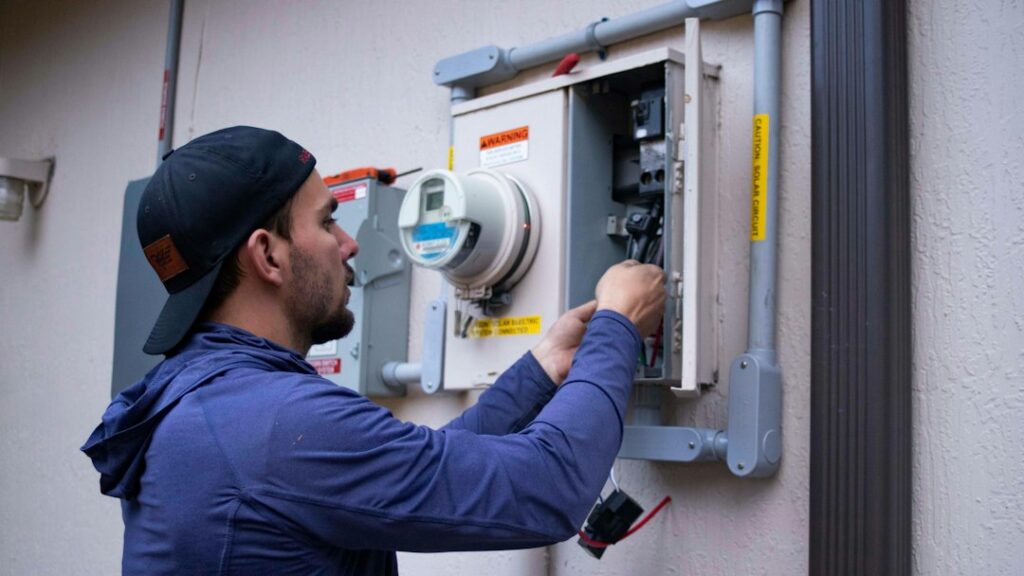
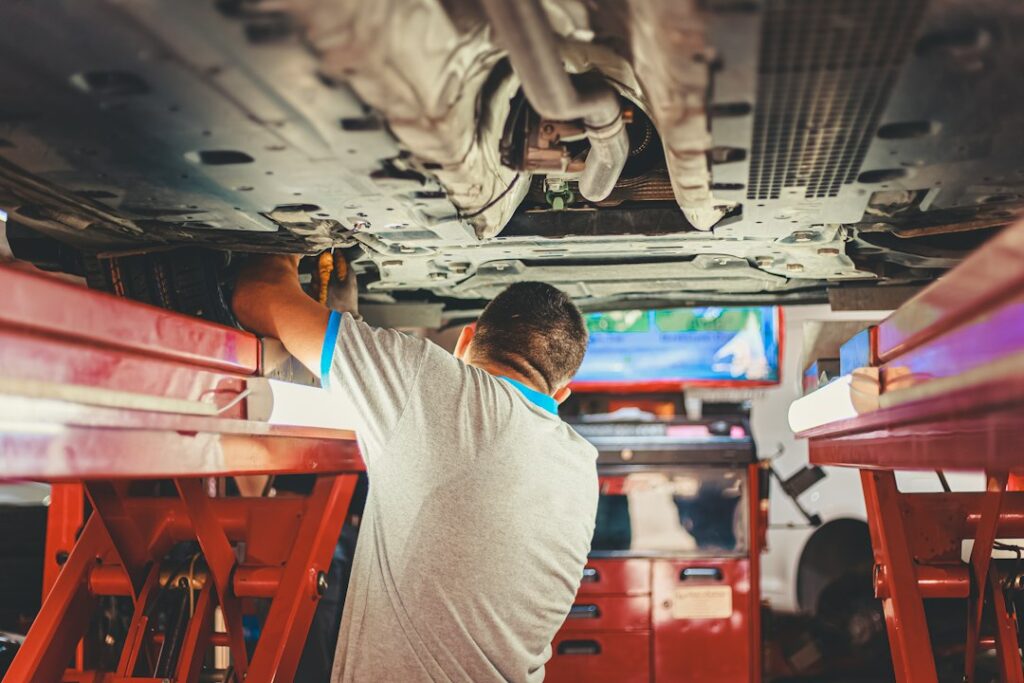
Regular maintenance can significantly reduce noise from your HVAC system. Getting your system checked by a professional ensures that all parts are functioning correctly and not creating unnecessary noise.
Check for Loose Parts
Loose parts are a common source of noise. Tighten screws, bolts, and panels to reduce rattling and vibrations.
Lubricate Moving Components
Lubrication reduces friction in moving parts, which can otherwise cause noise. Ensure that motors and fans are properly lubricated to keep them running smoothly.
Insulate Ductwork
Ducts can amplify noise throughout your home. Insulating them can help contain sound and also improve energy efficiency.
Consider using materials like foam or fiberglass to wrap your ducts. This not only helps with noise but can also prevent temperature loss.
Install Sound Barriers
Adding sound barriers can help in areas where the HVAC unit is close to living spaces. You can use acoustic panels or blankets to dampen sound.
Even simple changes like insulating ducts or tightening loose parts can make a noticeable difference in reducing HVAC noise.
Upgrade Your System
If your system is old, it may simply be noisier by design. Newer models are often engineered to be quieter and more efficient.
Consider consulting with a local professional, like those found in our contractor directory, to explore options for upgrading your system.
Location Matters
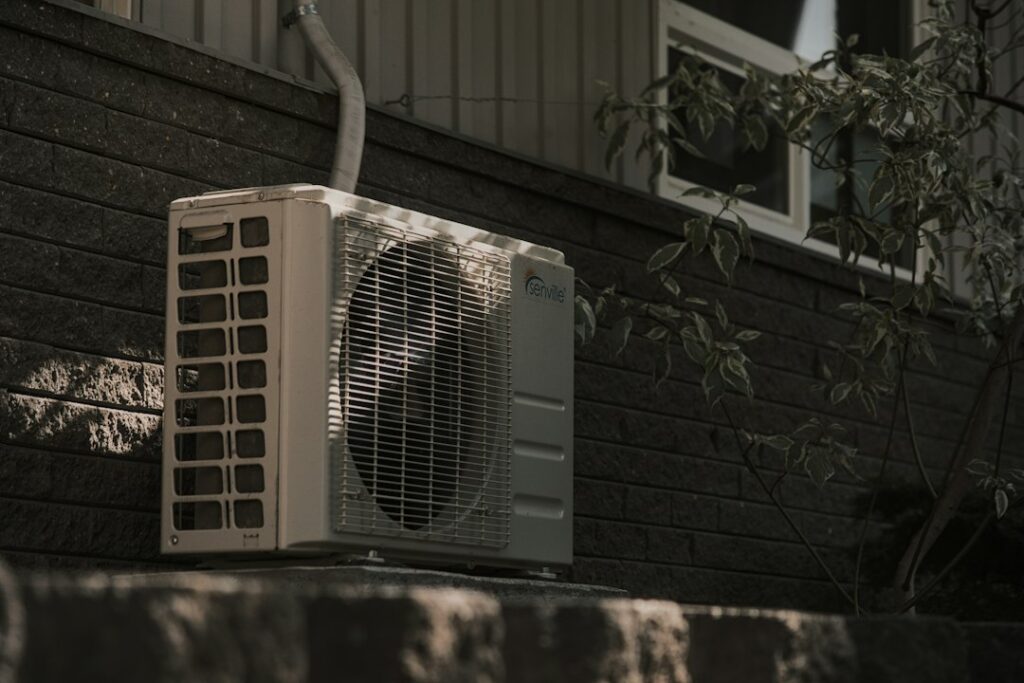
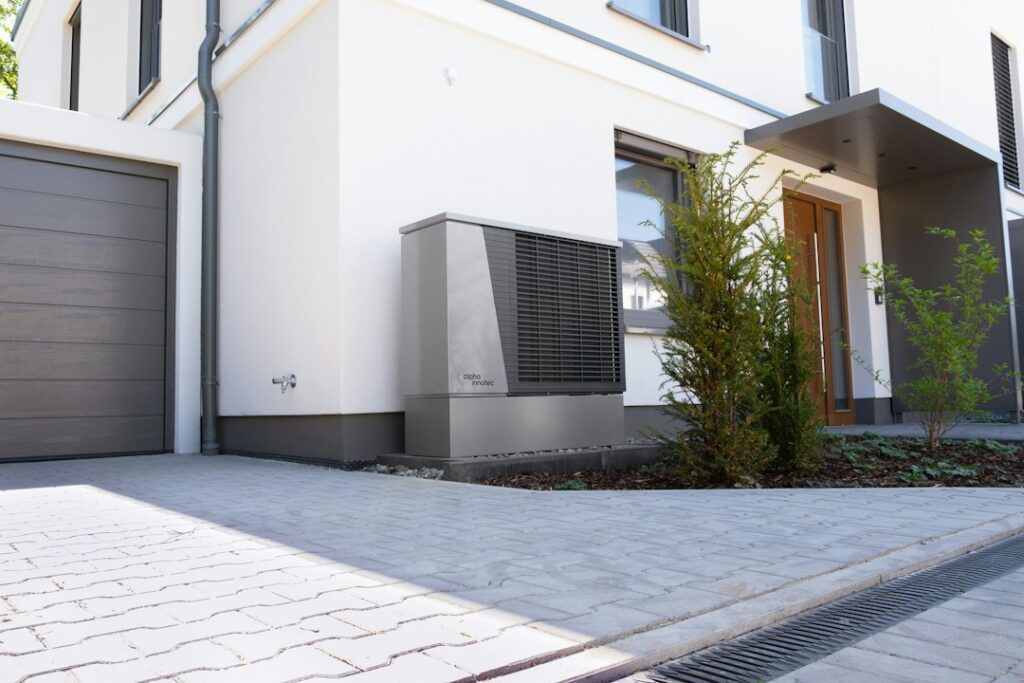
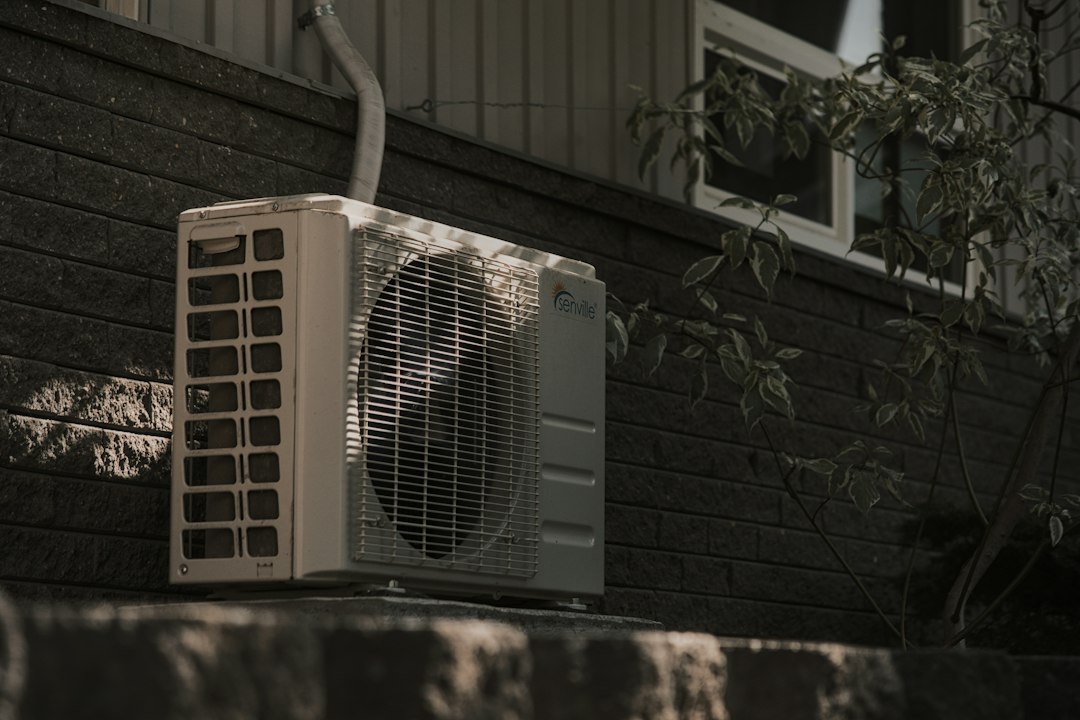
The placement of your HVAC unit can impact the noise level. If possible, install your unit away from bedrooms and living areas to minimize disturbance.
Sometimes, simply rearranging the space around your unit can help buffer noise.
Practical Steps for a Quieter System
For a quieter HVAC system, combine regular maintenance with strategic upgrades and soundproofing. Consult a professional to ensure that all changes are safe and effective.
Frequently asked questions
What is the most common cause of HVAC noise?
The most common causes of HVAC noise include loose parts, lack of lubrication, and poorly insulated ductwork. Regular maintenance can help address these issues.
Can insulation help reduce HVAC noise?
Yes, insulating ductwork can help reduce noise by containing sound within the ducts and preventing it from spreading through your home.
Is it worth upgrading my HVAC system to reduce noise?
If your current system is outdated or inherently noisy, upgrading to a modern, quieter model can be a worthwhile investment for both noise reduction and energy efficiency.
How often should I schedule HVAC maintenance?
It's typically recommended to schedule HVAC maintenance at least once a year to ensure optimal performance and reduce noise levels.
What materials are best for soundproofing HVAC systems?
Common soundproofing materials for HVAC systems include foam, fiberglass insulation, and acoustic panels. These materials help dampen vibrations and noise.