Understanding Two-Stage Air Conditioning Systems
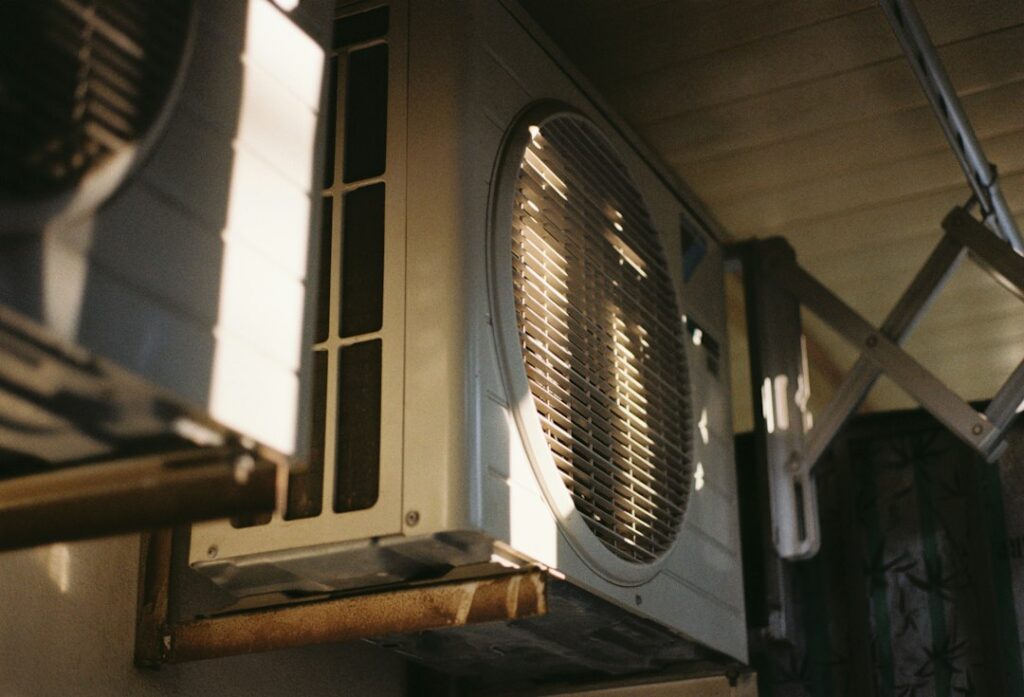
A two-stage air conditioner has a compressor that can run at two output levels: a low setting for most of the time and a high setting for the hottest days. The main two-stage air conditioner benefits are steadier indoor temperatures, better humidity control and, in many homes, lower running costs. The trade-off is a higher purchase price and the need for compatible equipment.
This guide explains how these systems work, where the advantages come from, and what to check before you buy. It is written for homeowners, not installers, so the focus is on what you will notice in your home.
How a two-stage system works
A standard single-stage air conditioner has one speed. When the thermostat calls for cooling, the compressor switches on at full output. When the house reaches the set temperature, it switches off. Then the whole cycle starts again.
A two-stage unit works differently. It has a low stage and a high stage. On a mild or moderately warm day, the system starts on low. It only moves to high when the house is not catching up fast enough.
Most of the time, the unit is running gently rather than in short bursts. That gentle running is the core of how these systems perform.
The thermostat has to be able to control both stages. A basic single-stage thermostat will not get the full benefit. Your installer will confirm whether your current thermostat is compatible or whether it needs to be replaced.

Why steadier running makes a real difference
Most people judge an air conditioner by whether the house feels cool. They notice less about how the temperature moves between cycles. A single-stage unit often swings a few degrees above and below the set point. You feel that as cold blasts followed by a warm, muggy stretch.
A two-stage unit tends to hold the temperature closer to the set point. Because it runs longer at a lower output, the air coming from the vents is less harsh. Rooms that are farther from the thermostat are more likely to even out.
Quieter operation is another common benefit. The low stage is usually less noisy than full power. Homeowners who sit near an outdoor unit often notice this first.
Humidity control: the benefit people overlook
Air conditioners do two jobs. They lower the air temperature, and they remove moisture from the air. Moisture removal happens while the coil is cold and the air passes over it for a longer time.
A single-stage unit that cycles on and off quickly may not run long enough to pull out much moisture. The house can feel cool but clammy. A two-stage unit that runs longer on low is better placed to dehumidify.
This matters most in humid summers and in basements or older homes where moisture collects. If the air feels sticky even when the thermostat is satisfied, a two-stage system is one of the things to ask about.
A two-stage system spends more of its time running gently, and that gentle running is where most of the comfort and efficiency gains come from.
What to know about efficiency and running costs
Two-stage systems can use less energy than single-stage systems over a season. The reason is that the low stage uses less power than full output, and the unit runs for longer periods instead of repeatedly starting and stopping. Starting up is one of the moments when an air conditioner draws the most power.
The size of the saving depends on your home, your climate, your insulation and how you use the system. It also depends on the unit you choose. Two-stage models vary a lot in efficiency, so the savings are not guaranteed. Do not assume a two-stage label means a lower bill.
When you compare models, look at the efficiency rating on the official listing. In Canada, you will see ratings such as SEER2 on the equipment information. Compare units of similar size and check the rating for the low stage as well as the overall figure.
Ask the installer to size the system properly. An oversized unit can lose the benefit of running on low, because it reaches the set temperature too quickly. A properly sized two-stage system is the one that gets the most out of the low stage.
When two-stage may not be worth the cost
Two-stage equipment costs more up front than a basic single-stage unit. The gap varies by brand, capacity, region and installer, so get written quotes for both options before you decide. Ask each installer to explain the difference in writing.
Rebates and incentives also vary. Some provinces, utilities or federal programs may offer support for high-efficiency equipment, and those programs change over time. Check current programs in your area before you sign a contract, and ask the installer whether the model you are quoted qualifies.
A two-stage system may be a weaker choice if you plan to sell the house soon, if your current unit is still in good shape, or if you only use cooling for a few hot weeks each year. In those cases the saving may take a long time to show up on your bill.
Practical steps before you buy
- Check that your thermostat and ductwork suit a two-stage unit. Ask the installer to confirm this in writing.
- Get at least two quotes from licensed HVAC contractors. Ask each one to explain the low stage, the sizing and the efficiency rating of the proposed model.
- Ask about humidity. If your home feels damp in summer, tell the installer so they can factor it in.
- Check rebate and incentive programs for your province and utility before you choose a model.
- Leave all gas and electrical connections to licensed professionals. Do not attempt to change wiring or thermostats that involve line voltage yourself.
If you are ready to compare installers, start with the contractor directory and filter for your city. Look for companies that will explain both single-stage and two-stage options without pressure, and that will size the system based on a load calculation rather than the size of the old unit.
Frequently asked questions
Is a two-stage air conditioner always cheaper to run?
Not always. Two-stage systems often use less energy over a season because the low stage uses less power and the unit runs longer with fewer starts. The actual saving depends on the model, your home, your insulation and your climate.
Do I need a new thermostat for a two-stage air conditioner?
Usually yes, or at least a thermostat that can control two stages of cooling. A basic single-stage thermostat will not give the unit the signals it needs to switch between low and high. A licensed installer can confirm what your system requires.
Does a two-stage system remove more humidity?
It can, because it tends to run longer on the low stage. Longer run times give the coil more time to pull moisture out of the air. This is most noticeable in humid weather and in damp parts of the house.
Are there rebates for two-stage air conditioners in Canada?
Some programs may exist, but they vary by province, utility and time. Program rules and amounts change, so check current listings for your area before buying. Ask your installer whether the model you are considering qualifies.