
HVAC air balancing is the process of adjusting the airflow in your heating and cooling system to ensure even distribution throughout your home. This can lead to improved energy efficiency and increased comfort by eliminating hot and cold spots. Proper air balancing can also help your HVAC system work more efficiently, potentially extending its lifespan.
What is HVAC Air Balancing?
Air balancing involves measuring the airflow from each vent in your home and adjusting it to achieve a uniform temperature in every room. Technicians use tools like anemometers to gauge the airflow and make necessary modifications to the ductwork or vents.
Why Proper Air Balance Matters
A well-balanced HVAC system ensures that each room receives the right amount of air. This not only enhances comfort but also prevents some rooms from being warmer or cooler than others. An imbalanced system can lead to increased energy costs, as more energy is needed to maintain the desired temperature.
The Benefits of Air Balancing
Here are some key benefits of having your HVAC system properly balanced:
- Improved Comfort: Consistent temperatures across all rooms eliminate hot and cold spots.
- Increased Energy Efficiency: When air is distributed evenly, your HVAC system doesn’t have to work as hard, saving energy.
- Extended Equipment Life: Less strain on the system can result in longer-lasting equipment.
- Lower Energy Bills: Efficient operation often leads to reduced heating and cooling costs.
When to Consider Air Balancing
Signs that your system may need balancing include uneven temperatures, increased energy bills, or frequent HVAC repairs. It’s often beneficial to perform air balancing after installing a new HVAC system or making significant changes to your home, like renovations or adding new rooms.
How Professionals Perform Air Balancing
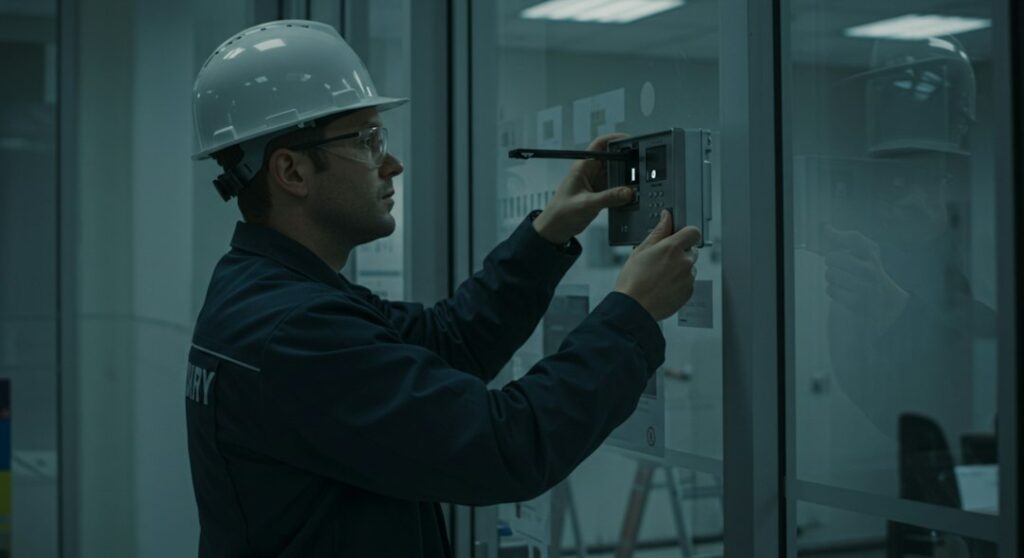
HVAC professionals use specialized tools and techniques to assess and adjust airflow. They may alter ductwork, adjust dampers, or recommend changes to improve system efficiency. If you’re in areas like Calgary or Montreal, finding a qualified contractor is crucial for effective air balancing.
Practical Steps for Homeowners
While professional air balancing is recommended, homeowners can take some simple steps to improve airflow:
- Ensure vents are not blocked by furniture or rugs.
- Keep windows and doors closed when the HVAC system is running.
- Regularly replace air filters to maintain good airflow.
“Proper HVAC air balancing enhances comfort and energy efficiency by ensuring even air distribution throughout your home.”
Maximizing Comfort and Efficiency
Consider scheduling regular maintenance and check-ups for your HVAC system. This not only includes air balancing but also other necessary adjustments and cleaning. A well-maintained system is key to achieving optimal comfort and efficiency in your home.
Frequently asked questions
How often should HVAC air balancing be done?
Air balancing doesn't need to be done regularly like filter changes. It's best performed after installing new equipment or if you notice uneven temperatures.
Can homeowners perform air balancing themselves?
While simple actions like ensuring vents are unblocked can help, professional air balancing is recommended for precise adjustments.
Does air balancing improve air quality?
Air balancing primarily improves temperature distribution and efficiency. While it won't directly improve air quality, a balanced system may help prevent issues like mold growth.
What tools are used for air balancing?
Professionals use tools like anemometers to measure airflow, and may adjust ductwork or dampers based on these measurements.
Is air balancing worth the cost?
Air balancing can lead to energy savings and improved comfort, potentially offsetting the initial cost over time. Consulting with a professional can help determine its value for your home.