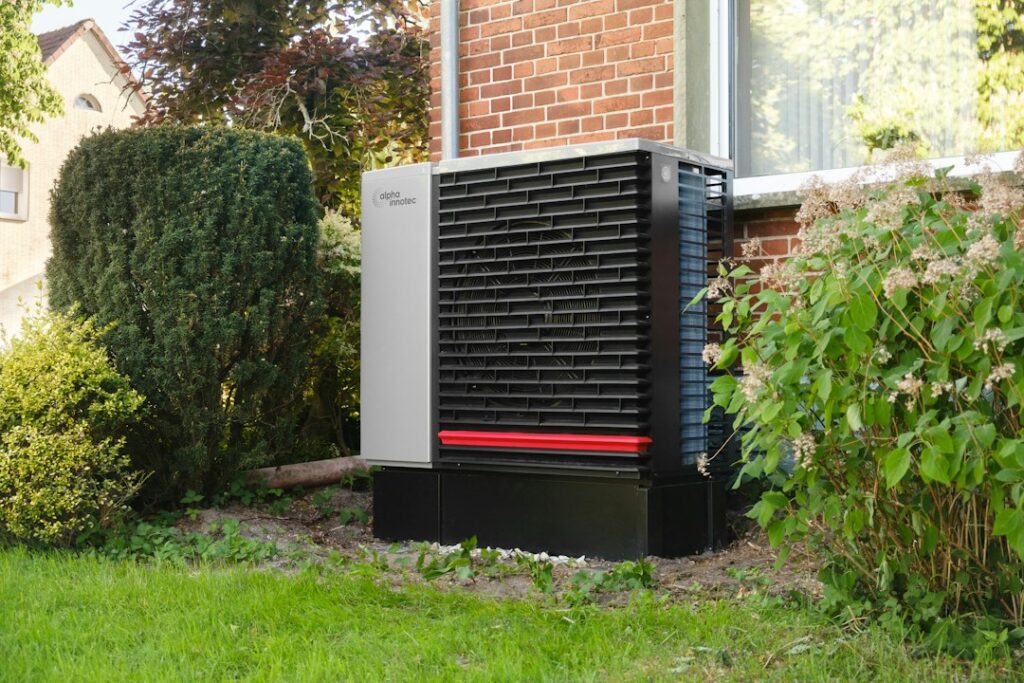
For years the answer was simple: heat pumps did not work in a Canadian winter. That is no longer true. Cold-climate models now hold useful efficiency well below freezing, and in much of the country they are a serious alternative to gas.
Where a heat pump wins
In British Columbia and the milder parts of Ontario and the Maritimes, a modern cold-climate heat pump can carry most of the heating season on its own. It also gives you air conditioning in summer from the same equipment, which changes the economics considerably.
A heat pump is the only heating system that is also your air conditioner. Compare it against the cost of both, not just the furnace.
Where a furnace still wins
In the Prairies and northern regions, sustained temperatures below minus 25 push most heat pumps past their useful range. A gas furnace, or a hybrid system that switches to gas when it gets cold enough, remains the practical choice.
The hybrid middle ground
A dual-fuel setup runs the heat pump in mild weather and hands over to the furnace when the temperature drops past a set point. It costs more to install and it is the option most Canadian homes with existing gas should be asking about.