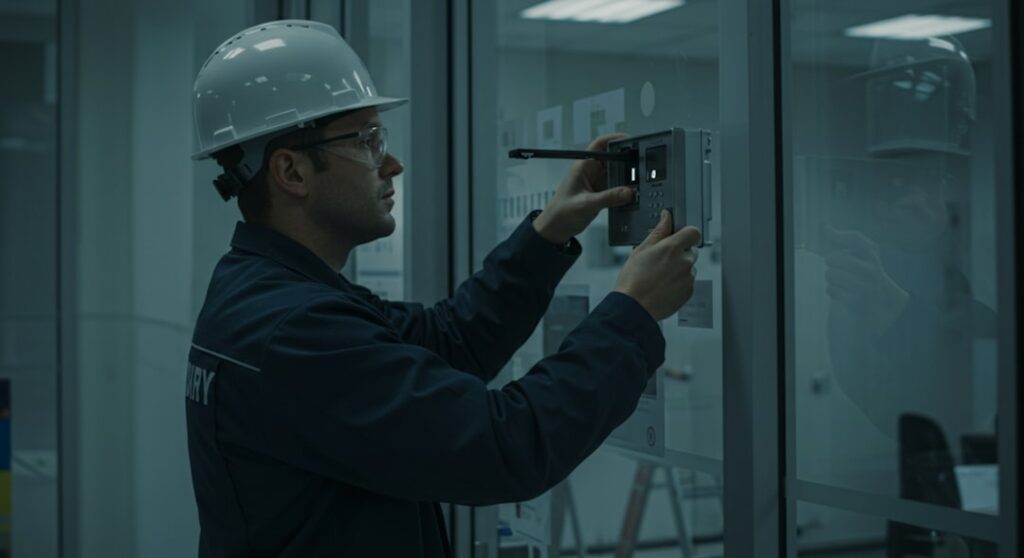
To insulate your home for maximum furnace efficiency, focus on sealing drafts, upgrading attic insulation, and ensuring walls and floors are properly insulated. These steps can significantly reduce heat loss and cut heating costs.
Seal Drafts and Air Leaks
Drafts can undermine furnace efficiency by allowing warm air to escape and cold air to enter. To combat this:
- Use weatherstripping around doors and windows.
- Apply caulk to seal gaps and cracks in stationary components.
- Install door sweeps to close gaps under doors.
These simple measures can have a noticeable impact on your home’s energy efficiency.
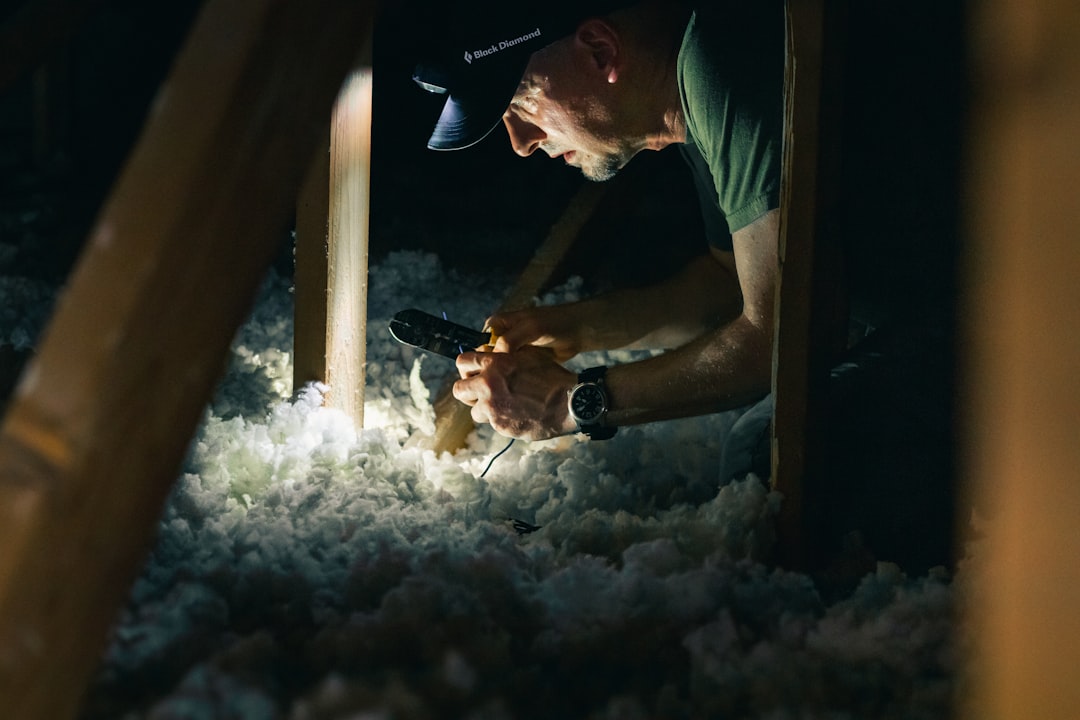
Upgrade Attic Insulation
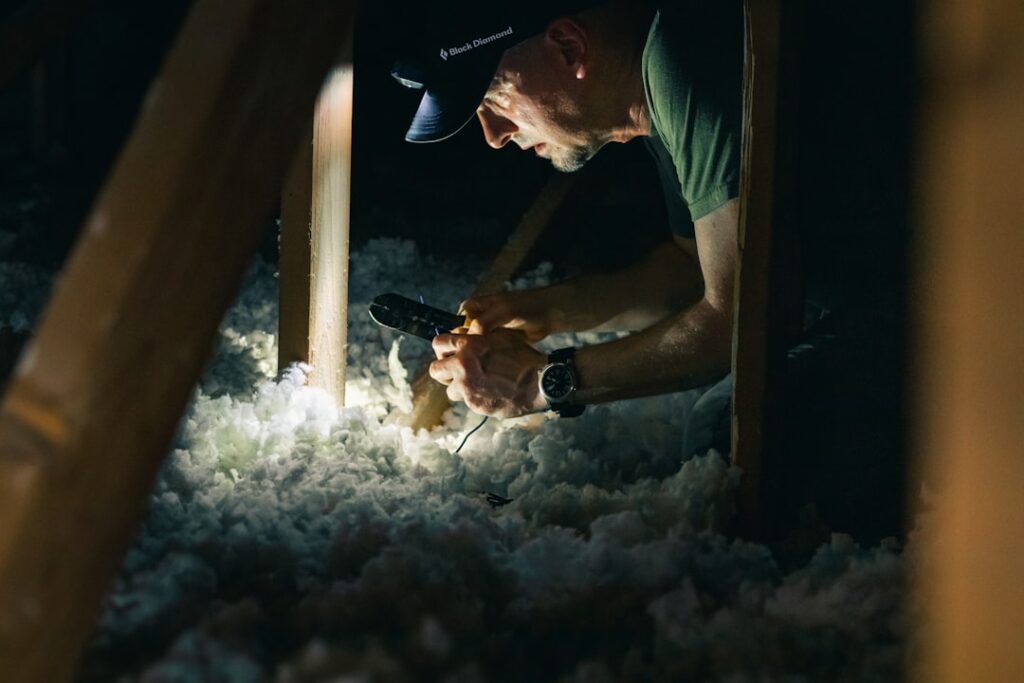
The attic is a prime area for heat loss. Insufficient insulation here can lead to a significant drop in furnace efficiency. Consider the following:
- Use fiberglass or cellulose as they offer good thermal resistance.
- Ensure insulation is evenly distributed with no gaps.
- The optimal R-value varies by region; consult local guidelines for specifics.
“Proper attic insulation can cut energy costs by up to 15%, enhancing furnace efficiency.”
Insulate Walls and Floors
Walls and floors are critical to maintaining a warm home. Insulating them helps:
- Use blown-in insulation for walls for a thorough application.
- Consider rigid foam panels for basement walls where moisture might be an issue.
- Carpet or rugs can add an extra layer of insulation to floors.
Insulate Ductwork
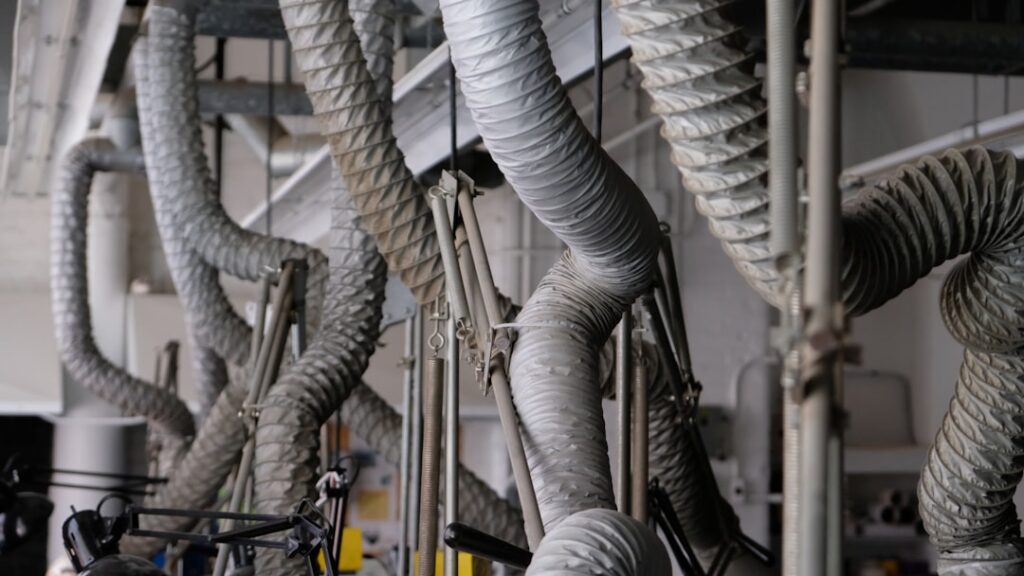
Heat loss through ductwork can compromise furnace efficiency. Insulating ducts in unheated areas prevents heat from escaping before it reaches your living space.
- Wrap ducts with foil-faced fiberglass insulation.
- Ensure all seams and joints are sealed with duct mastic.
This can improve the overall efficiency of your heating system.
Consider Window Treatments
Windows can be a significant source of heat loss. To improve insulation:
- Add thermal curtains to reduce heat transfer.
- Use window film to enhance energy efficiency.
- Consider installing storm windows for an added layer of insulation.
Consult a Professional
If you’re unsure where to start, consider hiring a professional to assess your home’s insulation needs. They can provide tailored recommendations to improve furnace efficiency. Homeowners in Toronto and other cities can find qualified contractors through our directory.
Maximizing your furnace efficiency through proper insulation not only saves money but also enhances comfort throughout the cold months.