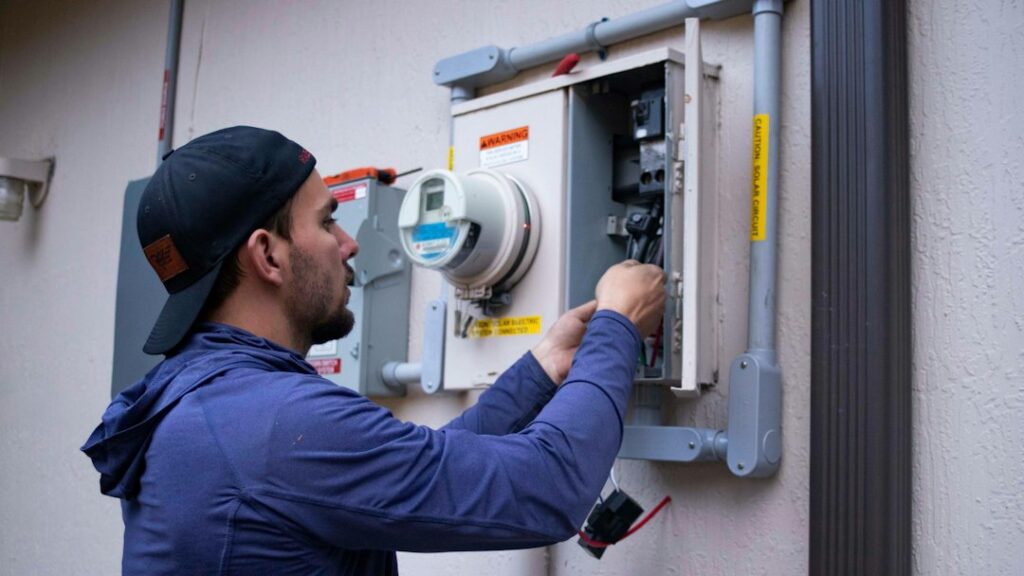

HVAC zoning can be a smart choice for a multi-story home if you’re dealing with uneven temperatures between floors or looking to improve energy efficiency. By dividing your home into zones, you can control the temperature of each area independently, leading to more comfort and potential savings. However, it does involve initial costs and a bit more complexity in your HVAC system.
Understanding HVAC Zoning
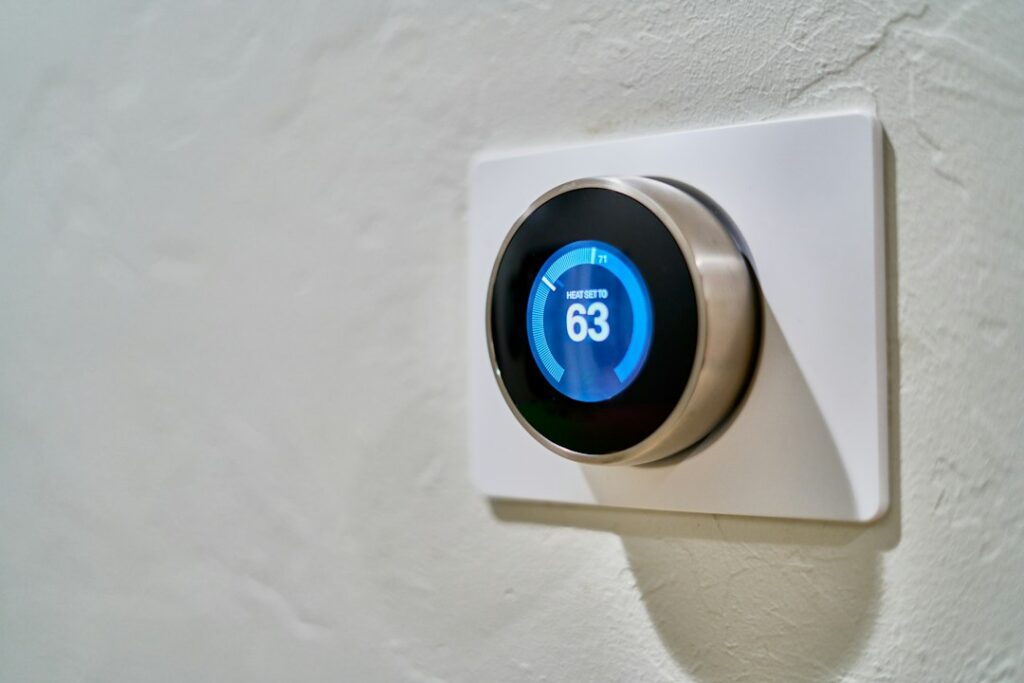
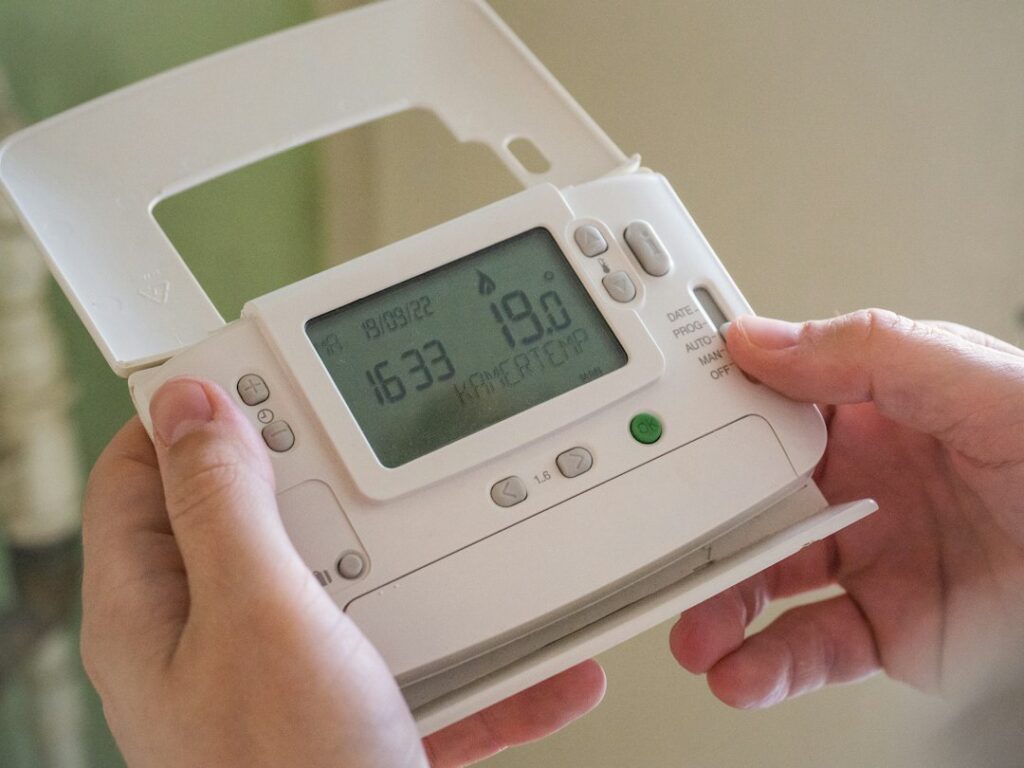
HVAC zoning uses multiple thermostats connected to a control panel to regulate different areas in your home. **Dampers** in the ductwork open or close to direct airflow as needed. This means you can set the temperature differently for each floor.
Benefits of Zoning in Multi-Story Homes
When you have a multi-level home, temperature differences can be a common issue. Heat rises, making upper floors warmer than lower ones. Zoning addresses this by allowing tailored settings for each level:
- Increased Comfort: Adjust each floor to your liking without affecting the rest of the house.
- Energy Efficiency: Only heat or cool the areas you’re using, which can reduce utility bills.
- Reduced Wear: Your HVAC system doesn’t work as hard, potentially extending its lifespan.
Zoning systems can make your home more comfortable and energy-efficient, especially in multi-story homes.
Costs and Installation Considerations
While zoning can save money in the long run, there’s an upfront cost. The price varies depending on the number of zones and the complexity of your system. Installing dampers and additional thermostats adds to labor and material costs.
It’s important to consult with a professional HVAC contractor to get an accurate estimate. For instance, if you’re in Toronto or Calgary, you can find local experts through our contractor directory.
Potential Drawbacks
Zoning isn’t perfect for every home. It requires a compatible HVAC system, and not all ductwork designs are conducive to zoning. Additionally, if improperly installed, dampers can cause airflow issues.
Consider these factors before deciding:
- System Compatibility: Not all systems support zoning; a professional assessment is crucial.
- Home Layout: Complex layouts might need more zones, increasing installation costs.
When to Consider Zoning
If you’re frequently adjusting your thermostat to maintain comfort across floors or noticing significant temperature swings, zoning might be right for you. It’s also worth considering if you’re planning a major HVAC upgrade or renovation.
Consulting with a specialist can help determine if zoning is feasible and beneficial for your specific situation. For homeowners in Edmonton or Ottawa, reaching out to local contractors can provide guidance tailored to your needs.
Practical Next Steps
Think zoning might be right for your home? Start by conducting a thorough assessment of your current HVAC system and home layout. Consulting with a local HVAC contractor can offer insights into the feasibility and cost. Explore options and get multiple quotes to ensure you make an informed decision.
Frequently asked questions
Can any HVAC system be zoned?
Not all HVAC systems are compatible with zoning. Some older or simpler systems may not support the necessary control panel and dampers. A professional can assess your current setup.
How many zones should a multi-story home have?
The number of zones depends on your home's size and layout. Typically, each floor represents a zone, but larger floors or areas with different heating/cooling needs might require additional zones.
Does zoning increase energy savings?
Yes, zoning can increase energy savings by allowing you to heat or cool only the areas in use. This targeted approach reduces overall energy consumption.
Is zoning worth the investment?
Zoning is worth it if you experience uneven temperatures or want to improve energy efficiency. Initial costs can be offset by long-term savings and increased comfort.
What are common issues with HVAC zoning?
Common issues include improper installation leading to airflow problems and incompatibility with certain HVAC systems. Professional installation can mitigate these risks.