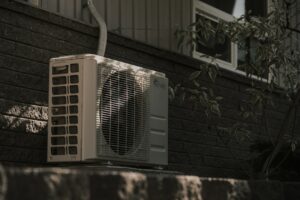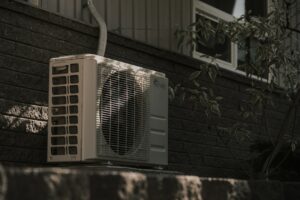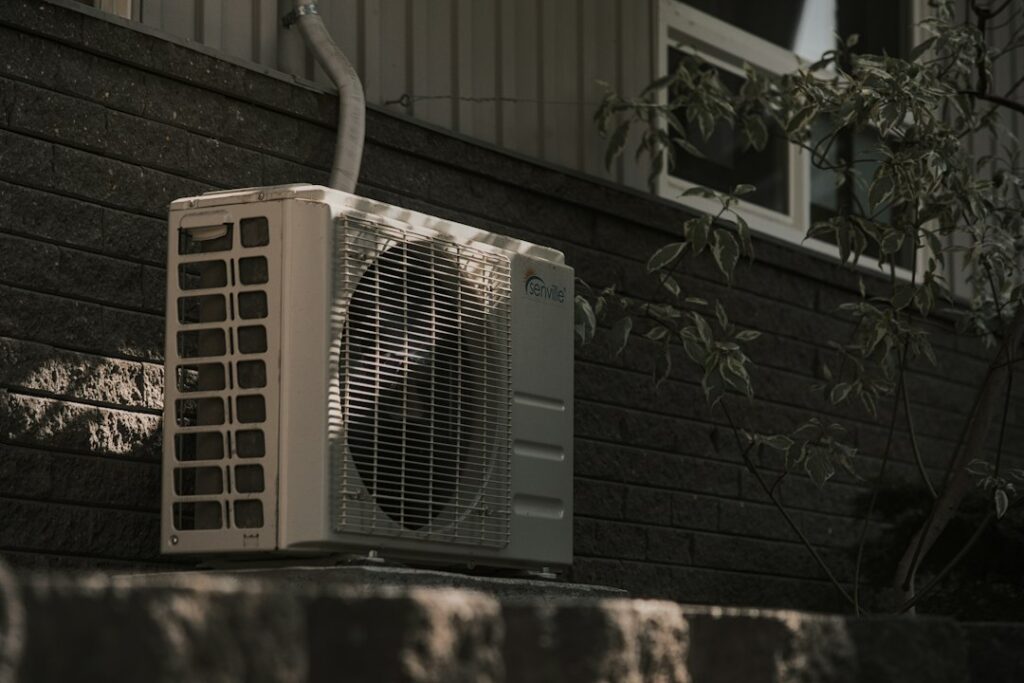
High humidity during summer can make your air conditioner work harder, reducing its efficiency and cooling performance. When the air is moist, your AC struggles to remove excess moisture, which can lead to higher energy bills and less effective cooling.
Why Humidity Matters
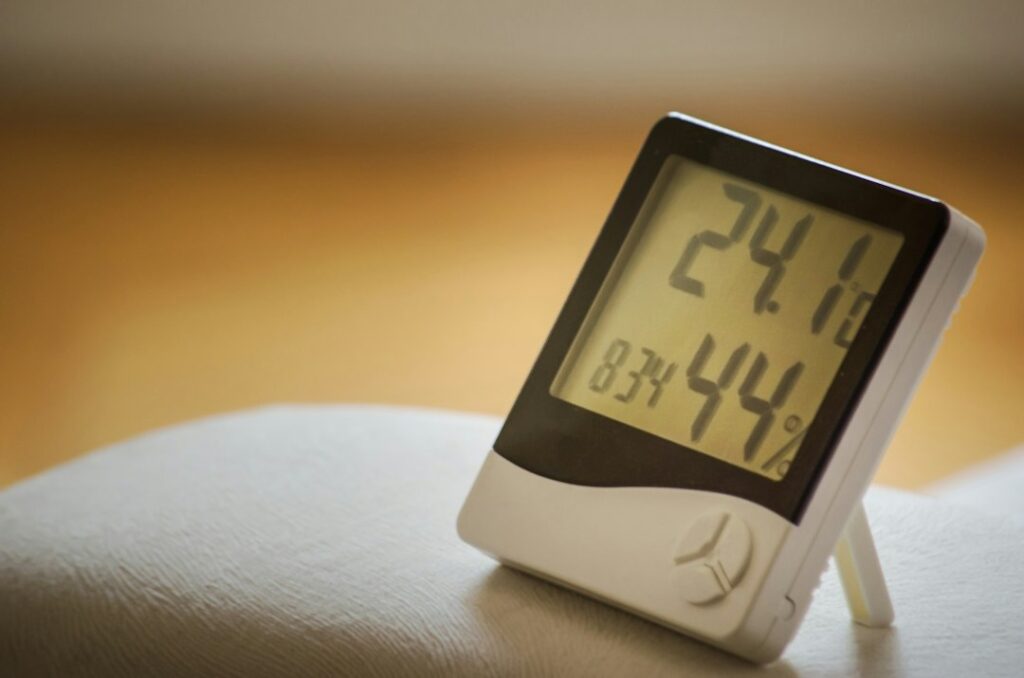
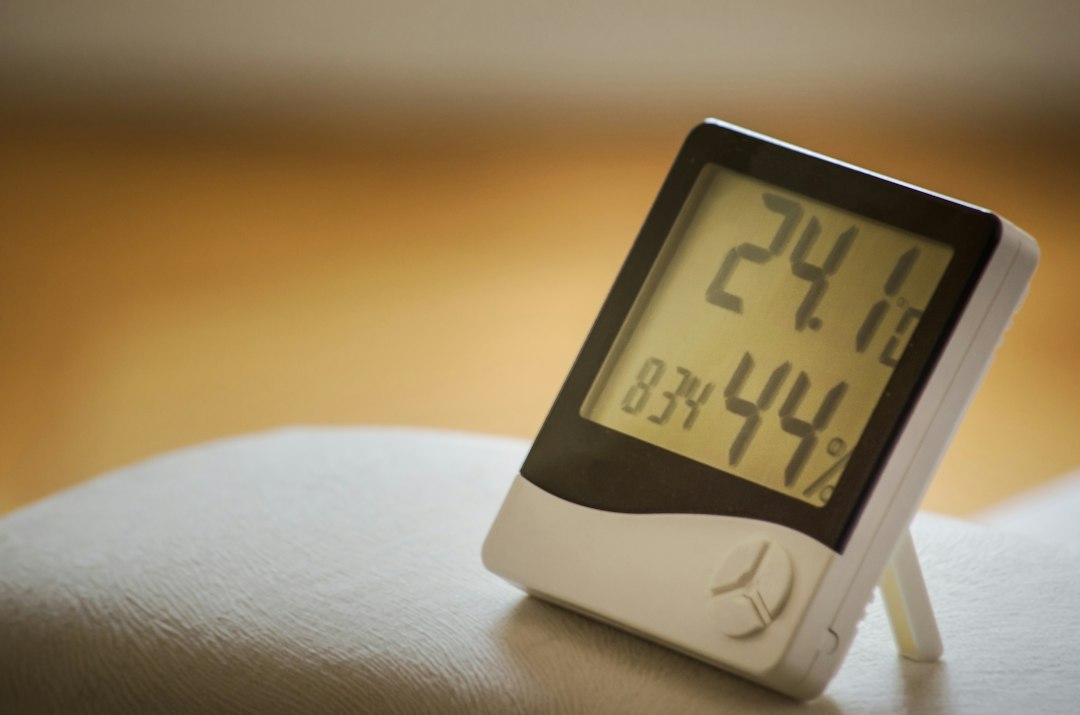
Humidity is the amount of moisture in the air. During the summer, it can rise to uncomfortable levels, especially in coastal and inland regions with significant water bodies. When this happens, your air conditioner not only has to cool the air but also remove excess moisture. This dual task can strain the system.
High humidity causes your AC to run longer, as it works to achieve the set temperature and maintain comfort levels. This can lead to increased wear and tear, potentially shortening the unit’s lifespan.
Signs Your AC is Struggling with Humidity
There are several indications that your AC might be struggling:
- It runs continuously without reaching the desired temperature.
- Indoor air feels clammy or damp.
- Windows are foggy or show condensation.
- There are musty odors inside your home.
If you notice these signs, it might be time to consult an HVAC professional.
Impact on Energy Efficiency
Humidity can significantly impact energy efficiency. When the air is humid, the cooling process is less efficient, as your AC has to work harder to remove moisture. This increases energy consumption, resulting in higher electricity bills.
Consider using a dehumidifier to ease the burden on your air conditioner during humid months.
Maintaining Your AC in Humid Conditions
Regular maintenance is key to ensuring your air conditioner works efficiently under humid conditions. Here are a few steps to consider:
- Replace or clean air filters regularly to improve airflow.
- Check and clean evaporator and condenser coils.
- Ensure that the unit is properly sized for your home.
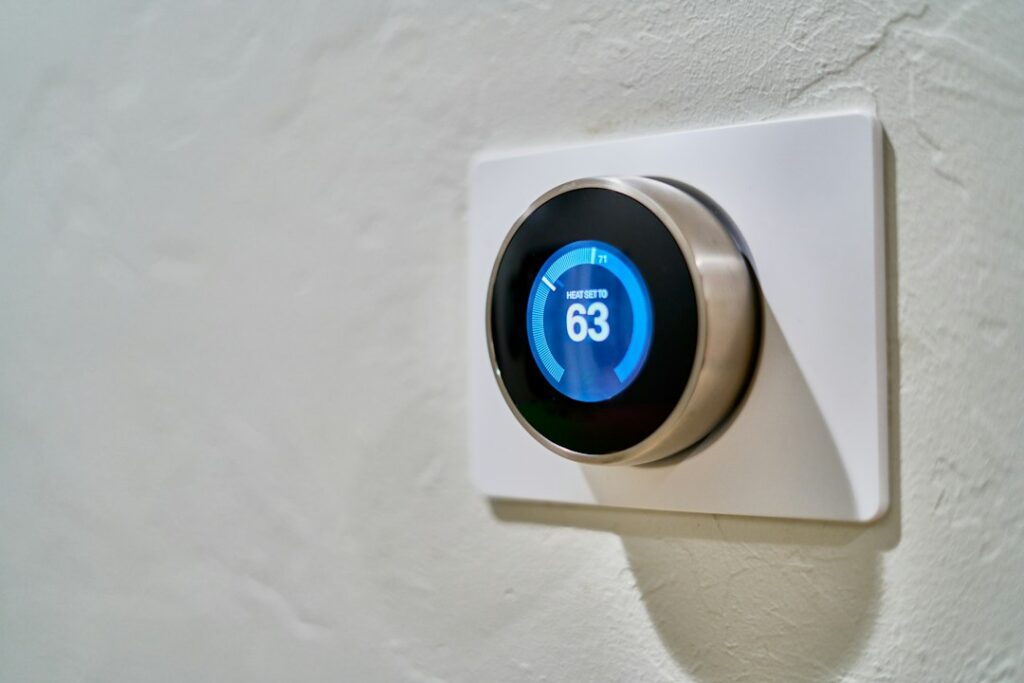
- Consider installing a programmable thermostat to optimize usage.
For specific advice, consult with a local expert, like those in Toronto or Calgary.
Using Dehumidifiers
Dehumidifiers can be a great addition to your cooling system. They help by removing excess moisture from the air, allowing your AC to focus on cooling. This can lead to improved comfort and efficiency.
Portable dehumidifiers can be moved from room to room, while whole-house units integrate with your HVAC system. Choose based on your specific needs and house size.
When to Call a Professional
If your air conditioner is consistently underperforming, it might be time to contact a professional. They can assess the system and recommend solutions tailored to your home’s unique conditions, whether that’s in Montreal or elsewhere.
Professional evaluations can help identify whether your system needs repairs, a tune-up, or even a more efficient model to handle high humidity.
To keep your home comfortable and your AC running smoothly, consider these strategies to mitigate the effects of summer humidity. Regular maintenance and the right equipment can make a significant difference.
Frequently asked questions
Can high humidity damage my air conditioner?
High humidity itself won't damage your air conditioner, but it can cause it to work harder, leading to increased wear and tear over time. It's important to manage humidity levels to maintain efficiency and longevity.
How does high humidity affect indoor air quality?
High humidity can lead to clammy air, musty odors, and even mold growth, all of which can negatively impact indoor air quality. Using a dehumidifier can help improve the situation.
What temperature should I set my AC in high humidity?
In high humidity, aim for a temperature setting between 22°C and 24°C (72°F to 75°F). This range helps balance comfort and efficiency, but you may need to adjust based on personal preference and conditions.
Is it worth getting a whole-house dehumidifier?
A whole-house dehumidifier is worth considering if you face persistent humidity issues. It integrates with your HVAC system, offering consistent moisture control, which can boost overall comfort and efficiency.
How often should I service my AC in humid climates?
In humid climates, consider servicing your AC at least once a year, preferably before the summer season begins. Regular maintenance can help ensure your system runs efficiently and can handle the extra load.