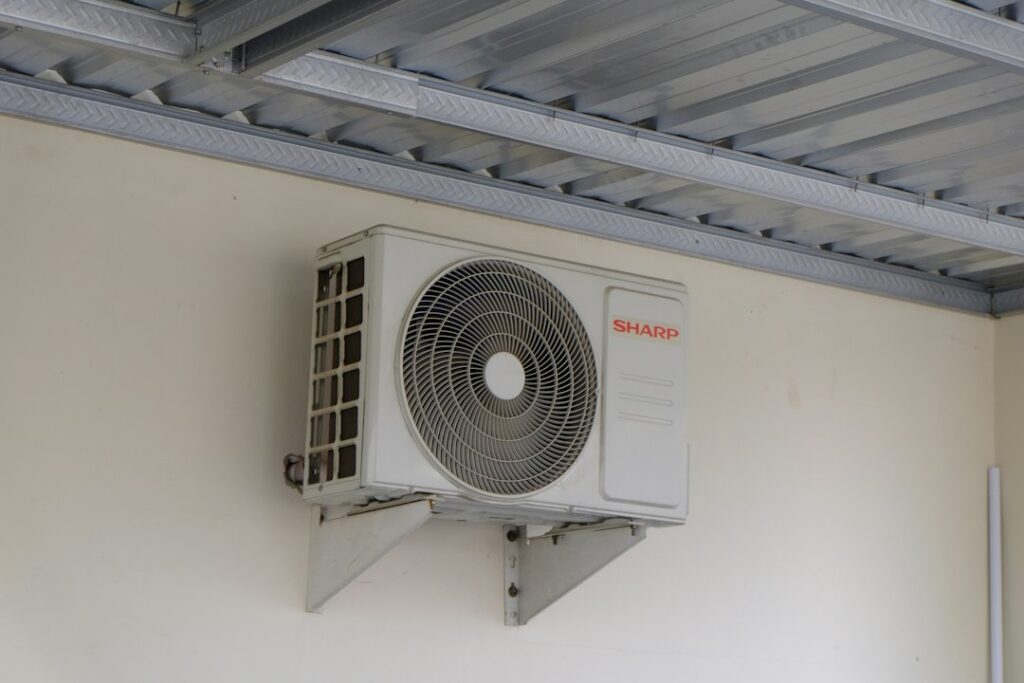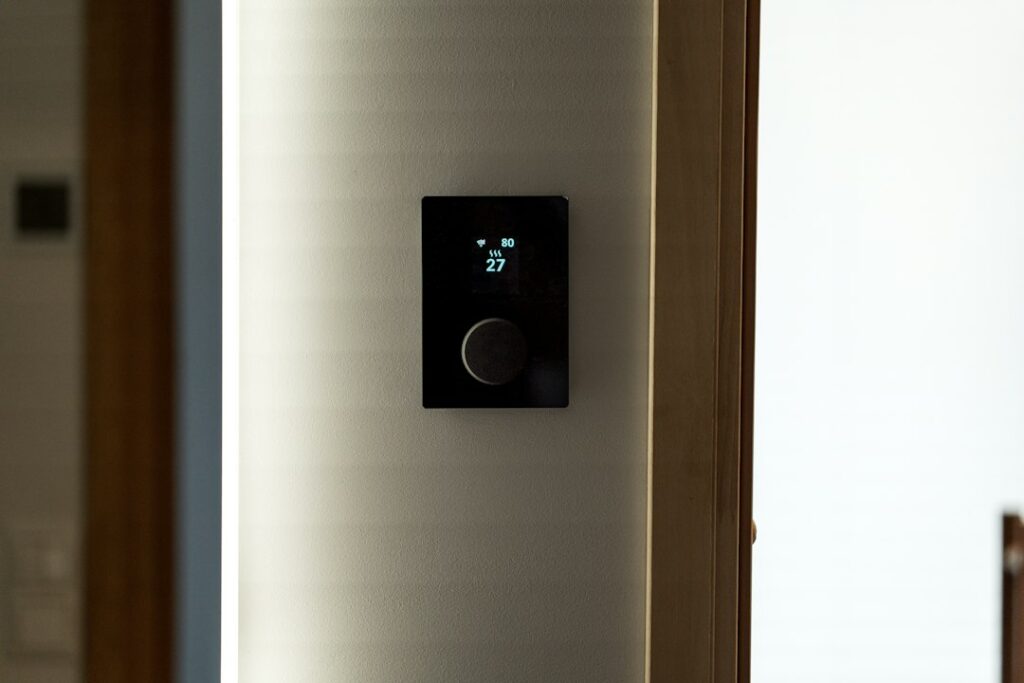

HVAC zoning in multi-family homes can significantly improve comfort and energy efficiency. By dividing a home into zones with independent temperature controls, each unit can tailor its climate settings. Done right, this approach saves energy and enhances tenant satisfaction.
Understanding HVAC Zoning
HVAC zoning allows different areas or units within a multi-family home to be controlled separately. This can be particularly useful in buildings with varying heating and cooling needs. For instance, sun-facing apartments may require more cooling compared to shaded ones.
Implementing a Zoning System
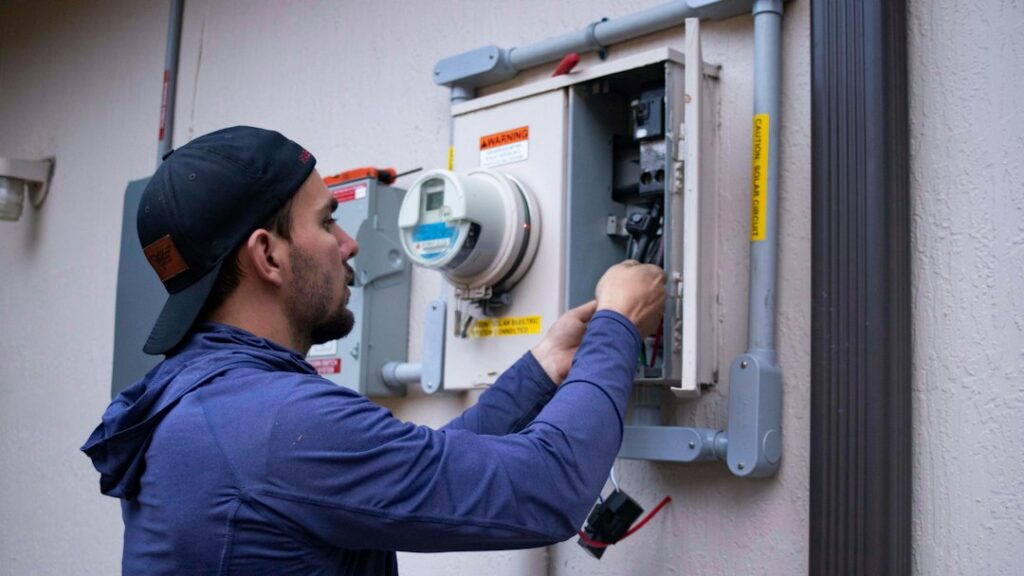
To implement an effective zoning system, start by assessing the building layout and occupancy patterns. Consider using a mix of smart thermostats and dampers to control airflow. Professional guidance from a qualified contractor is essential to design a system that meets specific needs and complies with local codes.
Benefits of HVAC Zoning
HVAC zoning offers several benefits:
- Energy Efficiency: Only heat or cool areas that need it.
- Comfort: Tailor temperatures to suit different preferences.
- Cost Savings: Reduced energy bills due to efficient usage.
Challenges and Considerations
While zoning offers many benefits, it also presents challenges. The initial installation cost can be high, and improper setup might lead to inefficiencies. Regular maintenance is crucial to ensure all parts of the system function correctly.
Finding the Right Contractor
Hiring an experienced HVAC contractor is key to a successful zoning system. Look for professionals familiar with zoning systems in multi-family homes. You can browse our directory to find trusted contractors in your area, such as Toronto or Calgary.
Effective HVAC zoning can transform tenant comfort and significantly reduce energy costs.
Maintaining Your Zoning System
Regular maintenance is essential for keeping a zoning system efficient. Schedule annual check-ups and replace air filters as needed. This helps prevent breakdowns and keeps energy consumption in check.
For multi-family home owners, investing in HVAC zoning can drastically improve the living experience for tenants while optimizing energy use. Make sure to consult with a professional to create a system tailored to your specific building needs.