Smart vents can be a worthwhile investment for Canadian homes, but their value depends on specific factors like home size, heating and cooling system type, and energy costs. They can improve comfort by optimizing airflow, potentially reducing energy bills. However, they’re not a one-size-fits-all solution and require consideration of your home’s unique needs.
How Smart Vents Work
Smart vents are designed to control the airflow in individual rooms. They use sensors to detect temperature, occupancy, and other variables, adjusting vents to optimize comfort and efficiency. By connecting to your home’s HVAC system, they allow for more precise control compared to traditional vents.
Benefits of Smart Vents
One of the major benefits of smart vents is the ability to create customized comfort zones within a home. This can be particularly beneficial in larger homes where different areas have varying heating and cooling needs.
- Energy Efficiency: By directing air only where needed, smart vents can reduce energy waste.
- Improved Comfort: They help maintain consistent temperatures across different rooms.
- Automation: Many smart vents integrate with home automation systems for seamless control.
Potential Cost Savings
The potential for cost savings with smart vents is real, but it depends on several factors. Homes with uneven heating or cooling may see more significant savings. Energy prices in your region also play a role. In provinces with higher energy costs, the savings from optimized airflow might be more substantial.
Smart vents offer energy efficiency and comfort improvements, but their cost-effectiveness depends largely on individual home factors.
Considerations Before Investing
Before investing in smart vents, assess your current HVAC system. Compatibility is crucial, as not all systems work seamlessly with smart vents. In some cases, the cost of retrofitting could outweigh potential savings.
Installation and Maintenance
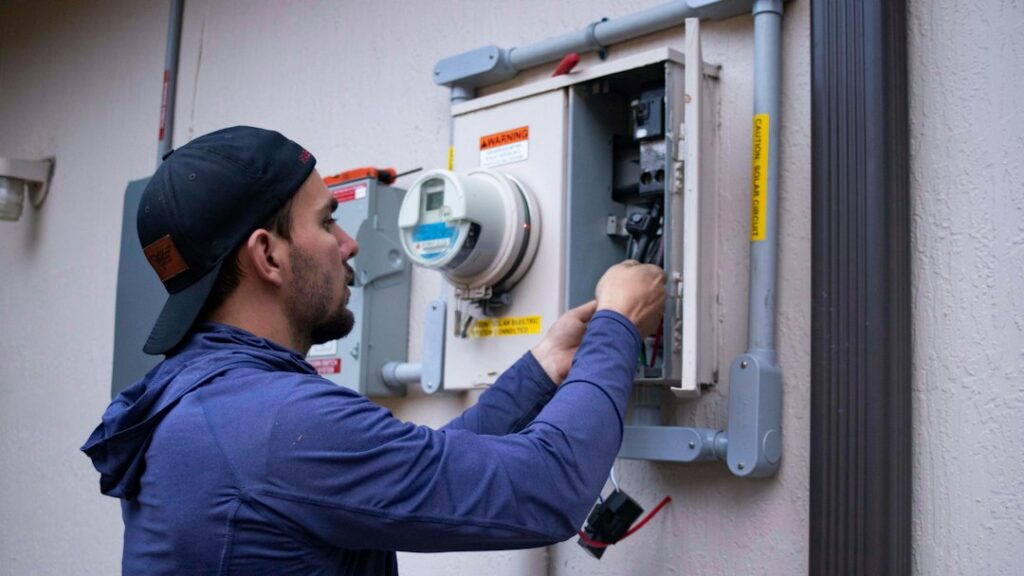
Installing smart vents can be straightforward, but professional advice is recommended to ensure compatibility and optimal performance. Regular maintenance, like keeping sensors clean, is essential to maintain their efficiency.
Are Smart Vents Right for Your Home?
To determine if smart vents are right for your Canadian home, consider your specific needs. Evaluate your home’s layout, existing HVAC system, and energy costs. Consulting with a professional HVAC contractor can provide insights tailored to your situation. If you live in a city like Toronto or Montreal, local contractors can offer specific advice based on regional factors.
Practical Steps Forward
Start by reviewing your current energy bills and assessing your home’s comfort levels. If you decide to proceed with smart vents, consider seeking professional advice from a local contractor to ensure they fit your home’s needs and your budget effectively.
Frequently asked questions
Do smart vents work with any HVAC system?
Not all smart vents are compatible with every HVAC system. It's essential to check compatibility with your existing setup before purchasing.
How much can I save with smart vents?
Savings vary based on factors like home size, energy costs, and existing HVAC efficiency. Homes with uneven heating or cooling may see more savings.
Are smart vents difficult to install?
Installation can be straightforward, but professional advice is recommended to ensure compatibility and optimal performance of the system.
Can smart vents improve home comfort?
Yes, smart vents can enhance comfort by maintaining consistent temperatures across rooms and creating customized comfort zones in larger homes.