When comparing radiant heating systems and traditional furnaces, expect to pay more upfront for radiant systems, but they can offer significant energy savings over time. Traditional furnaces, while generally cheaper to install, might result in higher operational costs depending on fuel type and efficiency.
Installation Costs
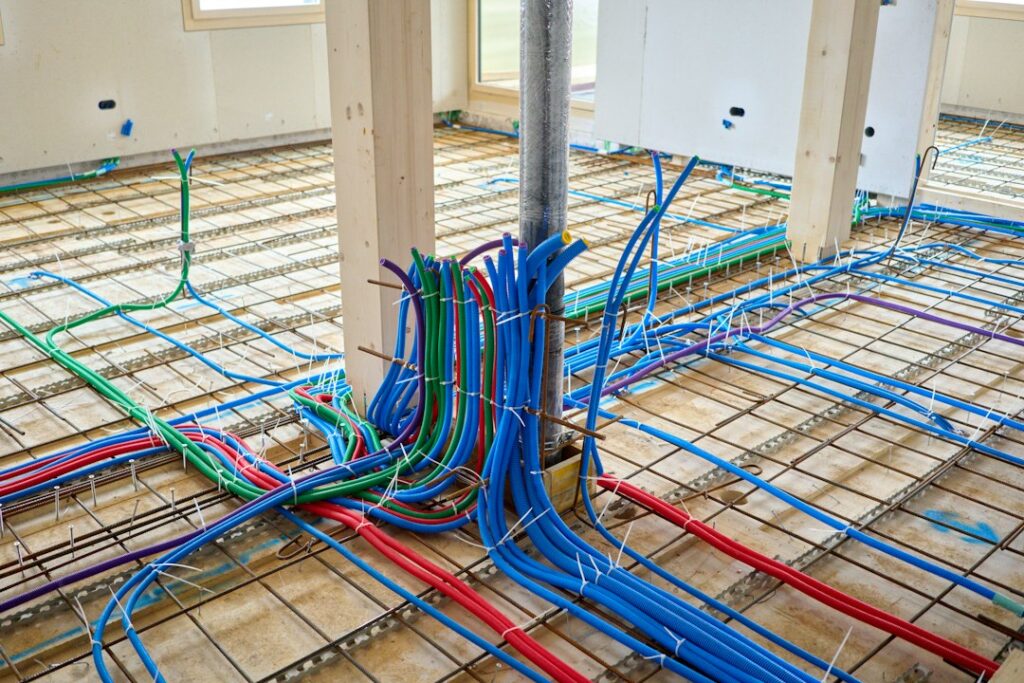
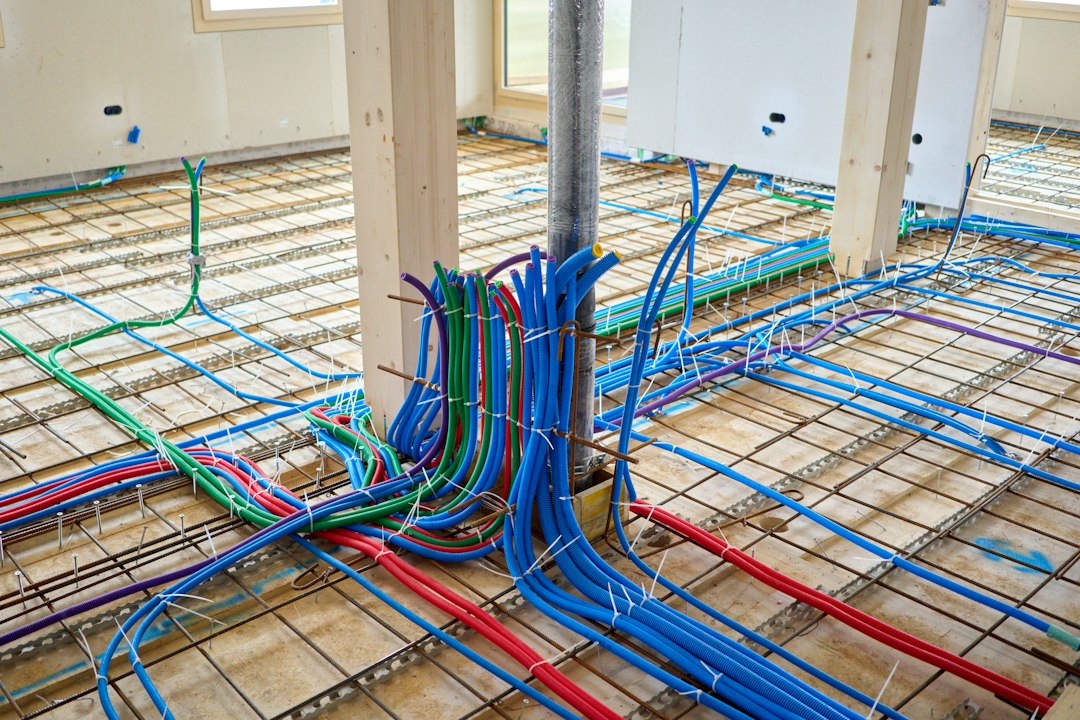
Radiant heating systems typically require more extensive installation, particularly if retrofitted into an existing home. The process involves laying pipes or electric mats beneath flooring, which can increase labor costs.
In contrast, furnaces are often simpler and quicker to install, especially if you’re replacing an older model. Existing ductwork can be reused, lowering labor and material costs.
Operational Costs
Radiant heating systems can be more energy-efficient since they heat objects directly rather than warming the air. This efficiency can lead to lower monthly energy bills, particularly in colder climates.
Furnaces, depending on their fuel source (natural gas, propane, or electricity), can vary widely in operational costs. Gas furnaces are typically less expensive to run than electric ones, but this depends on local utility rates.
Efficiency and Energy Savings
One of the main advantages of radiant heating is its efficiency. By heating floors and objects directly, these systems can maintain comfort at lower thermostat settings, potentially reducing energy usage.
Furnaces have improved in efficiency over the years, with models available that utilize advanced technology to maximize heat output while minimizing waste. However, the efficiency gains may not always offset the higher operational cost associated with less efficient models.
Comfort Considerations
Radiant heating provides a consistent and even warmth, eliminating cold spots common with forced-air systems. This can enhance overall comfort, particularly in rooms with high ceilings where warm air tends to rise.
Furnaces can heat a home quickly, but the air can cool down just as fast once the system stops, leading to fluctuations in temperature. This may not be an issue in homes with good insulation and airtight construction.
Long-Term Value
While the upfront cost of radiant heating may be higher, its energy efficiency and potential for lower utility bills can provide long-term value. This is particularly true in climates with extended heating seasons.
Furnaces, on the other hand, may offer a lower initial cost, but it’s crucial to consider the long-term operational expenses, especially if energy prices rise.
“Radiant heating systems can offer significant energy savings over time, despite higher upfront costs.”
Choosing the Right System
When deciding between a radiant heating system and a traditional furnace, consider both your budget and your long-term heating needs. Evaluate factors such as local energy rates, the climate in your area, and the specific features of your home.
For personalized advice, consulting with a local HVAC contractor can provide insights tailored to your situation. Whether you’re in Toronto or Calgary, finding expert guidance is crucial for making the best decision.