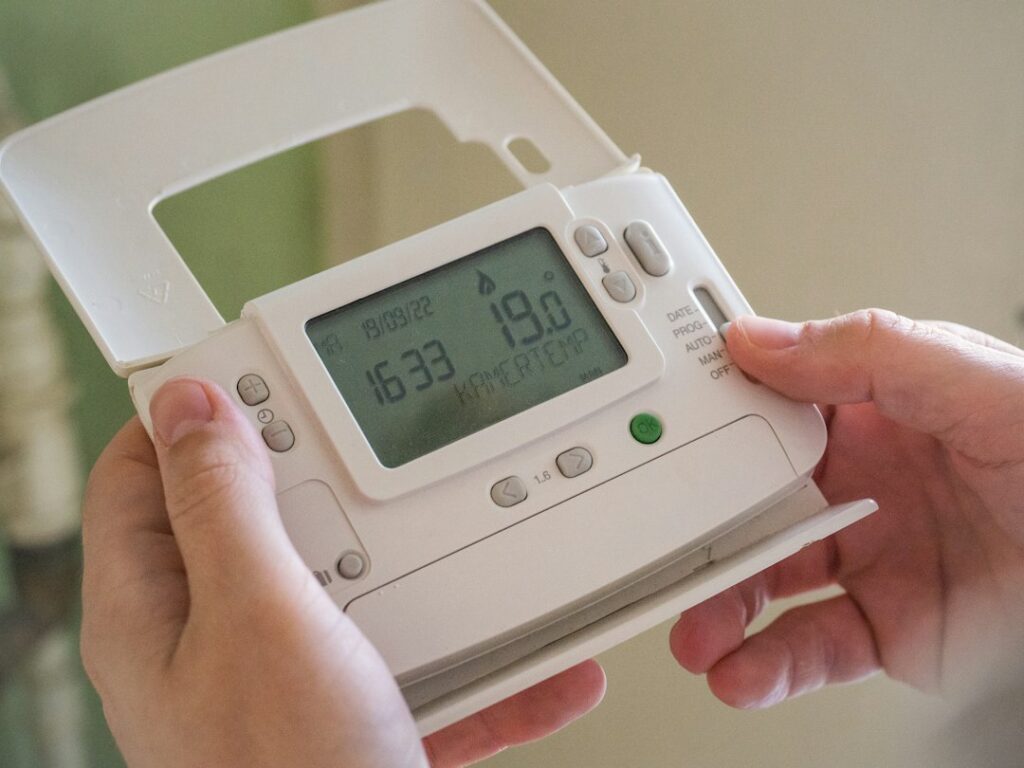
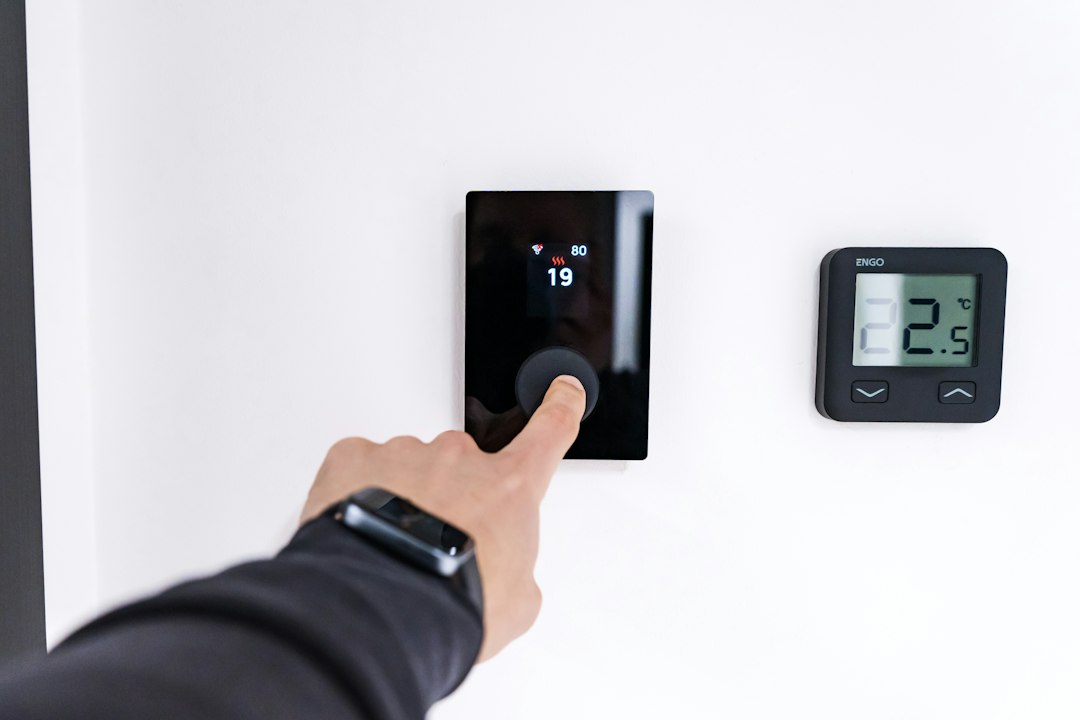
Smart thermostats can lower heating bills by efficiently managing your home’s temperature. By learning your habits and optimizing settings, they help reduce energy waste, potentially leading to significant savings over time.
How Smart Thermostats Work
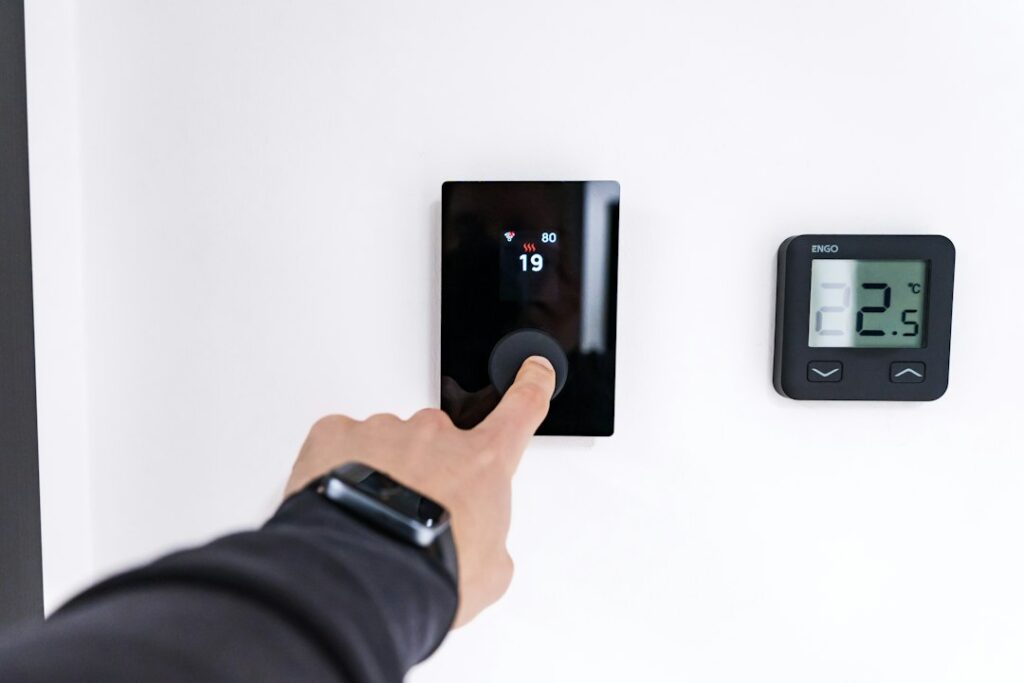
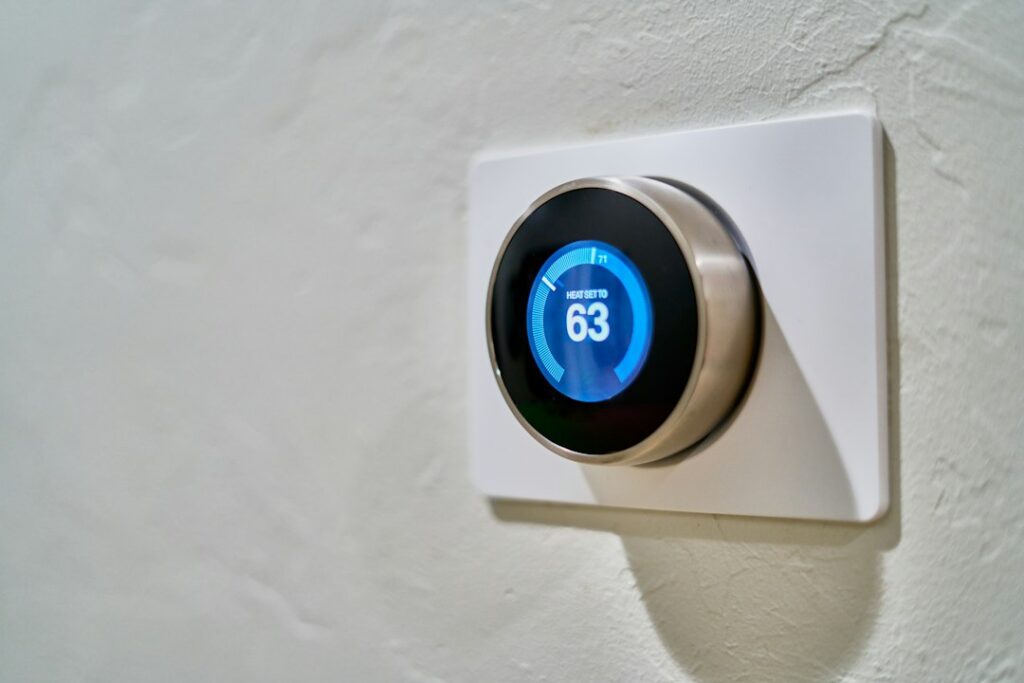
Smart thermostats connect to your home’s Wi-Fi, allowing you to control your heating system remotely through an app. They learn your schedule and preferences, adjusting temperatures automatically to enhance comfort and efficiency.
Savings on Heating Costs
The primary advantage of using a smart thermostat is reduced energy consumption. They minimize waste by lowering the temperature when you’re not home or asleep.
- Avoid overheating your home.
- Adjust settings based on weather forecasts.
- Provide energy reports to help you track usage.
These factors can lead to lower utility bills, though the exact savings depend on usage patterns and local energy rates.
Return on Investment
While smart thermostats have initial costs, many homeowners find the investment worthwhile. Potential savings vary, but a reduction in heating expenses can offset the purchase price over time.
Smart thermostats can lead to substantial savings by optimizing heating schedules based on your lifestyle and preferences.
To assess ROI, consider your current heating habits and potential savings in your area.
Factors Affecting Savings
Several elements influence how much you save, including:
- Climate: Colder regions may see more significant savings.
- Home insulation: Well-insulated homes retain heat better, enhancing savings.
- Energy rates: Higher rates increase potential savings.
To maximize benefits, combine smart thermostats with other energy-efficient upgrades.
Installation and Compatibility
Most smart thermostats are compatible with existing HVAC systems, but it’s crucial to verify compatibility before purchase. For installation, consider hiring a professional, especially if you’re uncomfortable with wiring. Our contractor directory can help you find experts in your area.
Choosing the Right Smart Thermostat
Select a thermostat that fits your needs and budget. Features to consider include:
- Learning capabilities: Automated learning can enhance efficiency.
- Remote access: Control settings from anywhere.
- Integration with other smart devices: Compatibility with voice assistants can improve convenience.
Research options and consult with a professional to find the best fit for your home.
Smart thermostats offer a practical way to manage heating costs by tailoring your home’s temperature to your lifestyle. Be sure to choose a model that suits your needs and consider professional installation for optimal results.