Humidity levels in your home can significantly affect your heating efficiency. When humidity is too low, your heating system may work harder to maintain comfort, while high humidity can make the air feel warmer than it is. Balancing humidity is essential for efficient heating.
What is Humidity and Why Does it Matter?
Humidity refers to the amount of moisture in the air. In heating terms, it can influence how warm or cold a room feels. Low humidity can lead to dry air, making your home feel cooler. Conversely, high humidity can make a space feel warmer.
How Low Humidity Affects Heating Efficiency
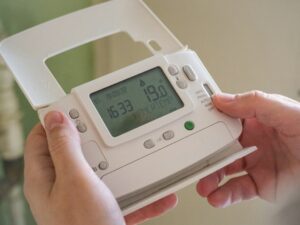
When humidity is low, usually during the winter months, the air feels colder. This sensation often prompts homeowners to increase the thermostat setting. Here are a few impacts of low humidity:
- Increased heating costs as systems work harder.
- Dryness can lead to discomfort, including dry skin and static electricity.
- Potential damage to wooden furniture and floors as they lose moisture.
The Effects of High Humidity on Heating
High humidity levels can also impact heating, though they are less common in winter. When the air is too humid, it can feel warmer than it is, which might lead to adjusting the thermostat lower than necessary. However, excessive humidity can cause:
- Condensation on windows and walls, leading to potential mold growth.
- Discomfort due to a muggy atmosphere.
- Potential health issues if mold or mildew develops.
Balancing Humidity for Optimal Heating Efficiency
Maintaining a balanced humidity level is key. Generally, a humidity level between 30% and 50% is ideal for comfort and efficiency. Using a humidifier or dehumidifier can help achieve this balance.
Consider consulting local experts for advice. If you’re in Toronto or Calgary, local contractors can provide insights specific to your area.
Signs Your Home’s Humidity is Imbalanced
Recognizing signs of improper humidity can help you take action:
- Frequent static electricity indicates low humidity.
- Condensation on windows might mean high humidity.
- Unexplained health issues or discomfort could be a sign of imbalance.
Balancing your home’s humidity is crucial for maintaining heating efficiency and comfort.
Practical Steps to Manage Humidity
To keep humidity in check, consider these practical tips:
- Use a hygrometer to monitor humidity levels.
- Install a humidifier or dehumidifier as needed.
- Regularly maintain your HVAC system for optimal performance.