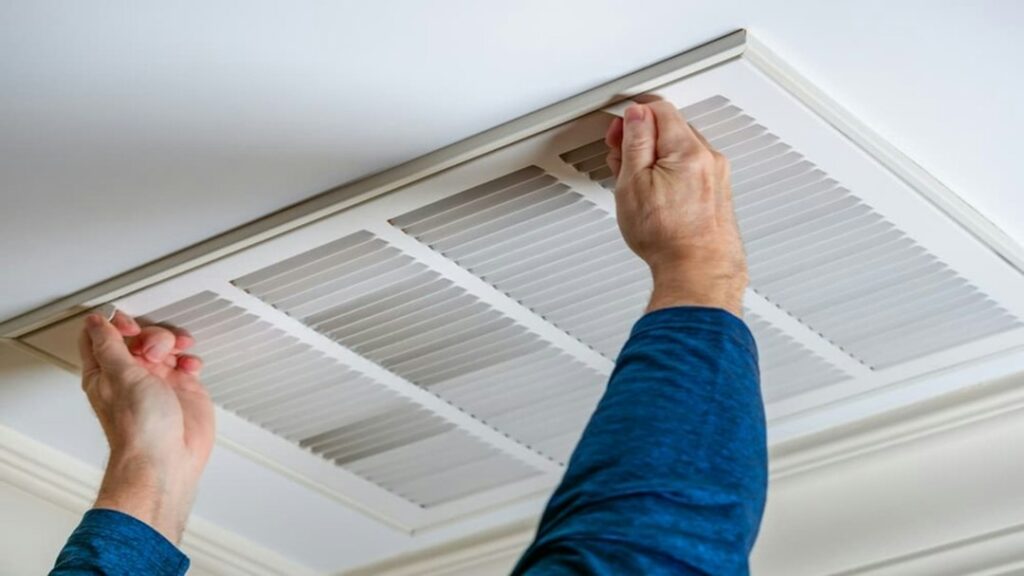

Using window treatments like blinds, curtains, and films can significantly improve your home’s HVAC efficiency. These options help regulate indoor temperatures, reducing the strain on your heating and cooling systems, and ultimately lowering energy costs.
The Role of Window Treatments in HVAC Efficiency
Window treatments provide insulation and control light, impacting temperature regulation inside your home. Properly chosen and installed, they can reduce heat loss in winter and heat gain in summer.
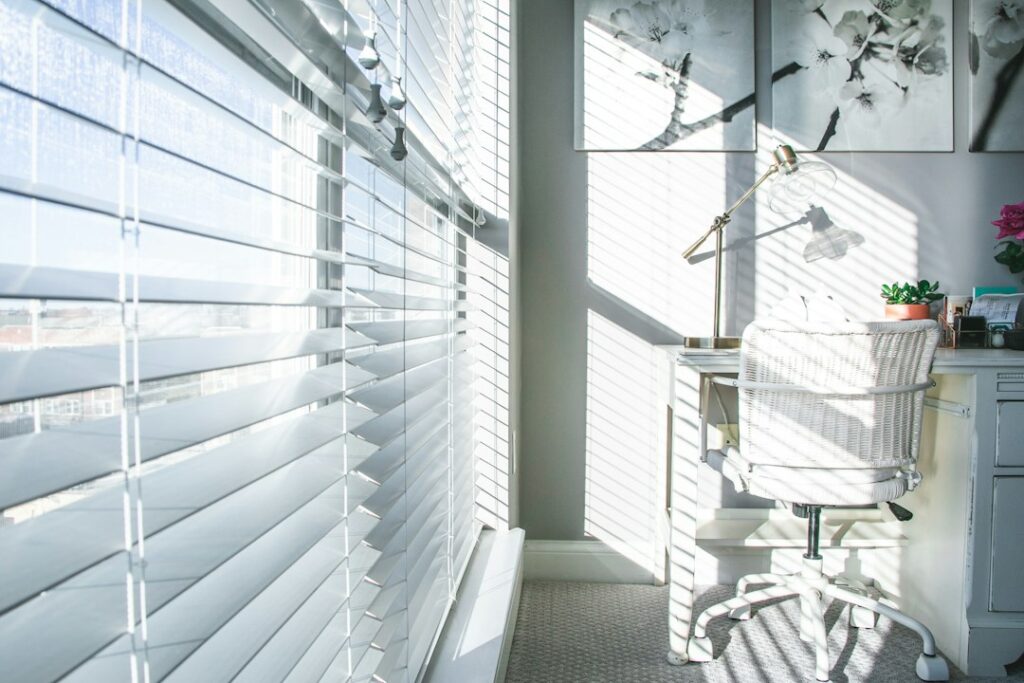
Choosing the Right Blinds
Blinds are versatile and come in many materials. For energy efficiency, consider:
- Cellular shades: These have a honeycomb structure that traps air, providing excellent insulation.
- Vertical blinds: Effective for large windows and sliding doors, they can block the sun’s rays.
- Wooden blinds: Aesthetic and insulating, though they may be less effective than cellular shades.
Adjusting blinds based on the sun’s position during the day can maximize their efficiency.
Effective Use of Curtains and Drapes
Curtains and drapes add an extra layer of insulation. For best results, choose:
- Thermal curtains: Lined with extra fabric to prevent heat transfer.
- Blackout curtains: Block sunlight completely, ideal for hot summer days.
Ensure they are close-fitting and reach the floor to minimize drafts.
Window Films for Temperature Control
Window films adhere directly to glass, providing a barrier to UV rays and heat. They are an excellent choice for:
- Reducing glare: Ideal for rooms with electronics or screens.
- Blocking UV rays: Protects furniture and lowers cooling costs.
Installation can be a DIY project or done by professionals, depending on the film type.
Combining Treatments for Maximum Benefit
Using a combination of blinds, curtains, and films can enhance efficiency. For example, pair cellular shades with thermal curtains for added insulation.
Combining window treatments like cellular shades and thermal curtains can drastically reduce energy loss.
Practical Tips for Everyday Use
Optimize your window treatments with these tips:
- During winter, open curtains during the day to let sunlight in, and close them at night to retain heat.
- In summer, keep treatments closed during peak sunlight hours to keep your home cooler.
These small adjustments can lead to noticeable savings on energy bills.
For personalized advice or to find a contractor in your area, visit our contractor directory.
Frequently asked questions
What types of window films are available for improving HVAC efficiency?
There are several types of window films, including reflective, tinted, and UV-blocking films. Each offers different benefits, like reducing glare or blocking heat.
Can I install window films myself?
Some window films are designed for DIY installation, but others may require professional help. It's important to follow the manufacturer's instructions closely.
How do thermal curtains work?
Thermal curtains have a special lining that reduces heat exchange. They keep warm air in during winter and block heat from entering in summer.