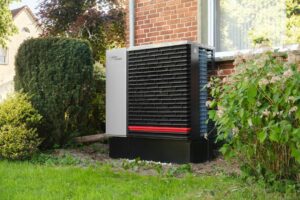
Log homes present unique challenges for HVAC systems due to their construction. The best options often include forced air, radiant heating, or mini-split systems, each suited to the energy efficiency and aesthetic needs of log houses. Choosing the right system depends on factors like climate, budget, and personal preferences.
Understanding Log Home Construction
Log homes have thick walls made from solid logs, which offer natural insulation but can also lead to uneven heating and cooling. The thermal mass of logs helps retain heat but may complicate temperature regulation. This is why selecting the right HVAC system is crucial.
Forced Air Systems
Forced air systems are popular due to their ability to heat and cool efficiently. They use ducts to distribute air, which can be a challenge in log homes due to structural considerations. Ensure ducts are sealed properly to prevent energy loss.
Radiant Heating
Radiant heating offers even warmth and is often more energy-efficient in log homes. This system heats floors or walls, avoiding the need for ducts. It’s a good choice if you want to maintain the aesthetic of exposed logs.
Installation Considerations
Installing radiant heat usually requires professional help to ensure safety and efficiency. It can be more expensive upfront but may save on long-term energy costs.
Mini-Split Systems
Mini-split systems are versatile, providing both heating and cooling without ducts. They’re ideal for log homes where ductwork is impractical. These systems allow for zoning, giving you control over temperature in different areas.
Mini-split systems offer the flexibility needed for the unique demands of log home heating and cooling.
Geothermal Systems
Geothermal systems use the earth’s constant temperatures to provide energy-efficient heating and cooling. Though installation is complex and costly, they offer significant savings over time and are environmentally friendly.
Considerations for Choosing an HVAC System
- Climate: Your local climate will influence your choice. Cold areas might benefit more from radiant heating.
- Budget: Initial installation costs vary significantly. Consider both upfront and ongoing costs.
- Aesthetic: Some systems integrate better with the rustic look of log homes.
Consulting a local contractor can provide insights specific to your area. For those in eastern Ontario, for instance, check options available through Ottawa contractors.
Practical Tips for Log Home HVAC
Regular maintenance is crucial, especially for systems like mini-splits that require filter cleaning. Consider energy-efficient models to offset the unique insulation characteristics of log homes. Consulting professionals ensures proper installation and operation suited to your specific needs.
Frequently asked questions
Are mini-split systems suitable for log homes?
Yes, mini-split systems are highly suitable for log homes due to their ductless nature and flexibility in providing both heating and cooling.
What is the best heating system for a log home in a cold climate?
Radiant heating is often the best choice for log homes in cold climates. It provides consistent warmth and can be more energy-efficient than traditional systems.
How do log homes affect HVAC efficiency?
The thermal mass of logs can retain heat, impacting temperature regulation. Properly chosen HVAC systems can mitigate these effects and improve efficiency.
Can geothermal systems be used in log homes?
Yes, geothermal systems can be used in log homes. They are energy-efficient and environmentally friendly but require a significant initial investment.