For homes in remote areas, the best HVAC systems are those that are energy-efficient and can operate independently of conventional utility infrastructure. Options like geothermal heat pumps, solar-assisted systems, and high-efficiency furnaces can provide reliable heating and cooling even in harsh climates.
Geothermal Heat Pumps
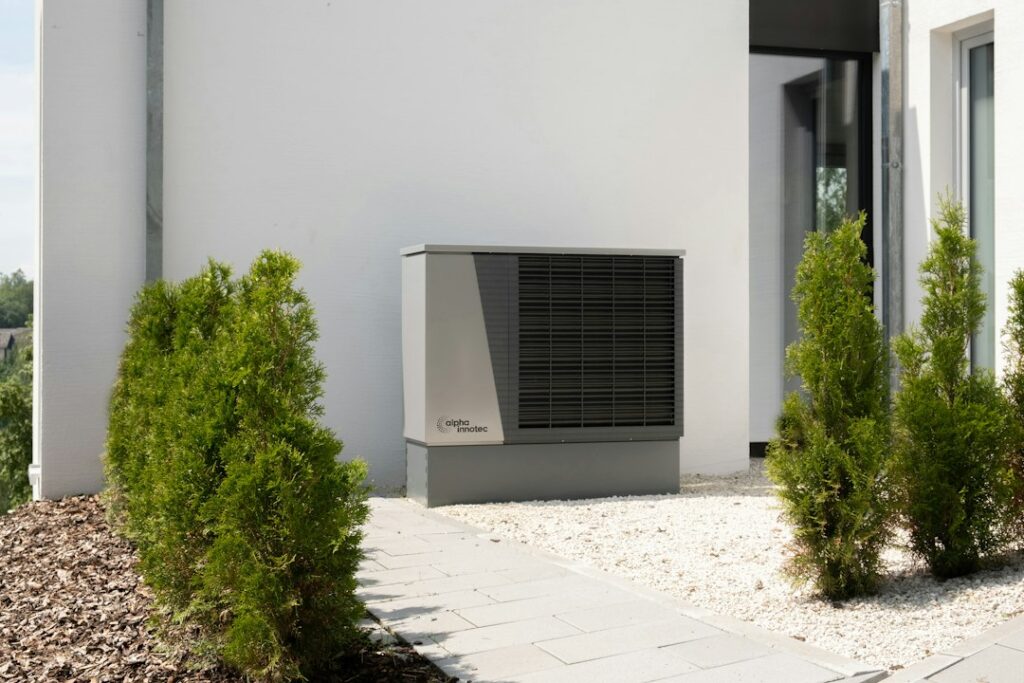
Geothermal heat pumps are an excellent choice for remote areas. They use the earth’s consistent underground temperature to heat and cool your home efficiently. This system requires an initial investment for installation, but the long-term savings on energy bills can be substantial.
- Highly efficient for both heating and cooling.
- Minimal maintenance compared to traditional systems.
- Reduced reliance on external fuel sources.
Solar-Assisted HVAC Systems
Solar-assisted systems combine solar panels with traditional HVAC units to reduce reliance on grid electricity. This is especially beneficial in remote areas where power outages may be more common.
- Uses renewable energy to power your HVAC system.
- Can be paired with battery storage for off-grid capabilities.
- Potential for tax incentives and rebates in some regions.
High-Efficiency Furnaces
For areas with harsh winters, a high-efficiency furnace can be a crucial component of your HVAC strategy. Look for models with a high AFUE (Annual Fuel Utilization Efficiency) rating to ensure you’re getting the most heat for your energy dollar.
High-efficiency furnaces can run on propane or natural gas, which are often more accessible in remote areas than electricity.
Mini-Split Heat Pumps
Mini-split heat pumps are another great option for remote homes. They offer flexibility and ease of installation because they don’t require ductwork. This is ideal for older homes or cabins.
- Provides both heating and cooling.
- Can be installed in individual rooms or zones.
- Energy-efficient and cost-effective.
Choosing an HVAC system for remote areas often means balancing efficiency with the availability of resources like electricity and fuel.
Choosing the Right System for Your Home
Consider the specific needs of your home and climate when choosing an HVAC system. The best option will depend on factors like fuel availability, climate conditions, and your budget.
It’s wise to consult with a local HVAC contractor to assess your home’s needs. You can find professionals in your area through our contractor directory.
When it comes to selecting an efficient HVAC system for a remote area, the key is to choose technology that matches your specific environment and resources. Whether it’s harnessing the power of the sun or tapping into the earth’s natural heat, there are solutions that can work well even at the end of the road.
Frequently asked questions
What is a geothermal heat pump?
A geothermal heat pump is an HVAC system that uses the stable underground temperature to heat and cool your home efficiently. They are ideal for remote areas due to their low energy consumption.
Are solar-assisted HVAC systems effective in Canada?
Yes, solar-assisted systems can be effective in Canada, especially when paired with battery storage. They reduce reliance on the grid and can lower energy costs.
How do mini-split heat pumps work?
Mini-split heat pumps provide heating and cooling without ductwork, making them suitable for individual rooms or zones. They're energy-efficient and easy to install, ideal for remote homes.