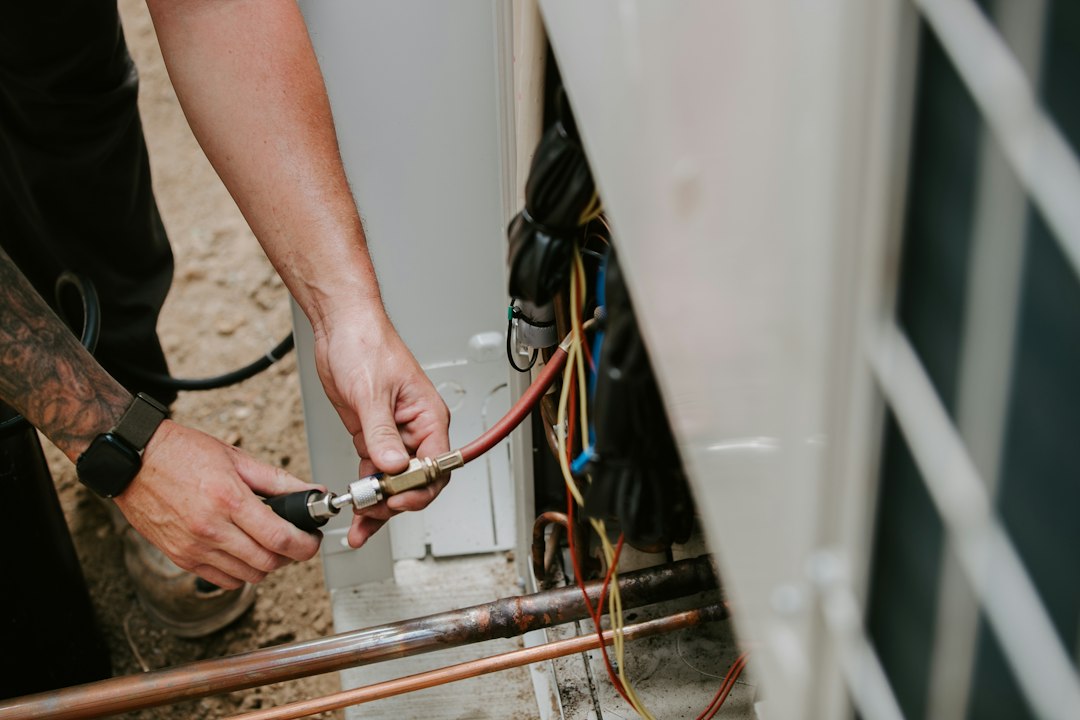
HVAC vibration noise can be a nuisance in your home, but you can often reduce or eliminate it with a few straightforward steps. First, check the HVAC system’s mounting and insulation, as loose or worn components are common culprits. If these basic checks don’t help, it may be time to consult a professional to diagnose and address the issue.
Inspect and Tighten Components
Loose components are a frequent source of vibration noise. You should inspect panels, screws, and mounting brackets to ensure everything is secure. Tighten any loose screws and ensure panels are properly aligned.
Upgrade to Vibration Isolators
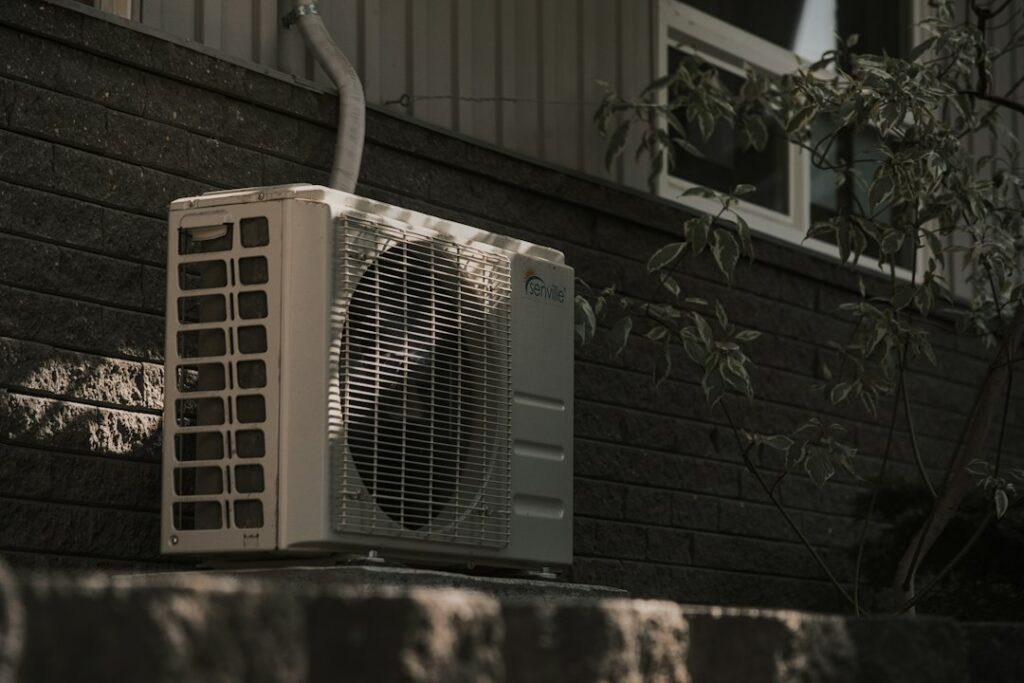
Installing vibration isolators can help absorb the movement that causes noise. These rubber or spring mounts are placed under the equipment to reduce vibration transfer to the building structure.
Check Ductwork Connections
Vibration can travel through ductwork, amplifying noise throughout the home. Inspect duct connections for gaps or loose fittings, and seal them with duct tape or mastic sealant to prevent movement.
Insulate Ducts
If noise persists, consider adding insulation around the ducts to dampen sound. This can be particularly effective in reducing noise in living spaces directly above or next to the HVAC system.
Examine the Fan Blades
Unbalanced or damaged fan blades can cause vibration. Inspect the blades for dirt, damage, or imbalance. Clean any debris and ensure they are properly balanced. If damaged, replacement may be necessary.
Consider Professional Maintenance
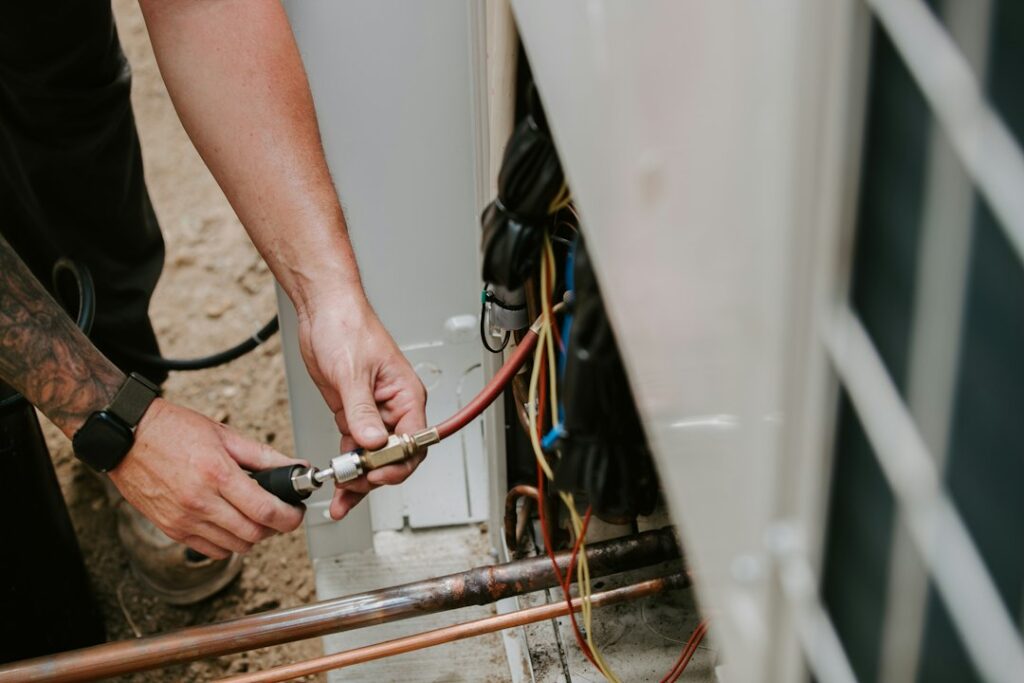
If you’ve tried the above steps and the noise persists, it may be time to call in a professional. They can perform a thorough inspection and suggest specific solutions tailored to your system’s needs. Professional maintenance can prevent further damage and ensure your system runs smoothly.
Regularly checking and tightening loose components is one of the simplest and most effective ways to reduce HVAC vibration noise.
When to Call a Contractor
Sometimes, DIY fixes aren’t enough. If you can’t stop the noise, a contractor can help. They have the tools and expertise to diagnose complex issues. If you’re in cities like Toronto or Ottawa, finding a qualified contractor can help resolve your issues quickly.
Remember, a quieter HVAC system not only improves comfort but also indicates that your system is running efficiently and without issues.
Frequently asked questions
What causes HVAC vibration noise?
HVAC vibration noise can result from loose components, unbalanced fan blades, or poor mounting. External factors like ductwork connections can also contribute.
Can I fix HVAC vibration noise myself?
You can attempt to fix it by tightening loose parts and adding insulation. However, if the problem persists, consulting a professional is recommended.
What are vibration isolators?
Vibration isolators are mounts made of rubber or springs that absorb vibrations, reducing noise by preventing the transfer of vibration to the building structure.
When should I call a professional for HVAC noise?
If noise persists after tightening components and adding insulation, or if you're unsure about handling repairs, it's best to call a professional.
How does ductwork affect HVAC noise?
Vibration can travel through ductwork, amplifying noise. Properly sealing and insulating ducts can help minimize this effect.