Insulated ductwork can significantly lower your energy bills by enhancing HVAC efficiency. By reducing heat loss and gain as air moves through your ducts, insulation keeps your home more comfortable and your system more efficient.
How Insulated Ductwork Saves Energy
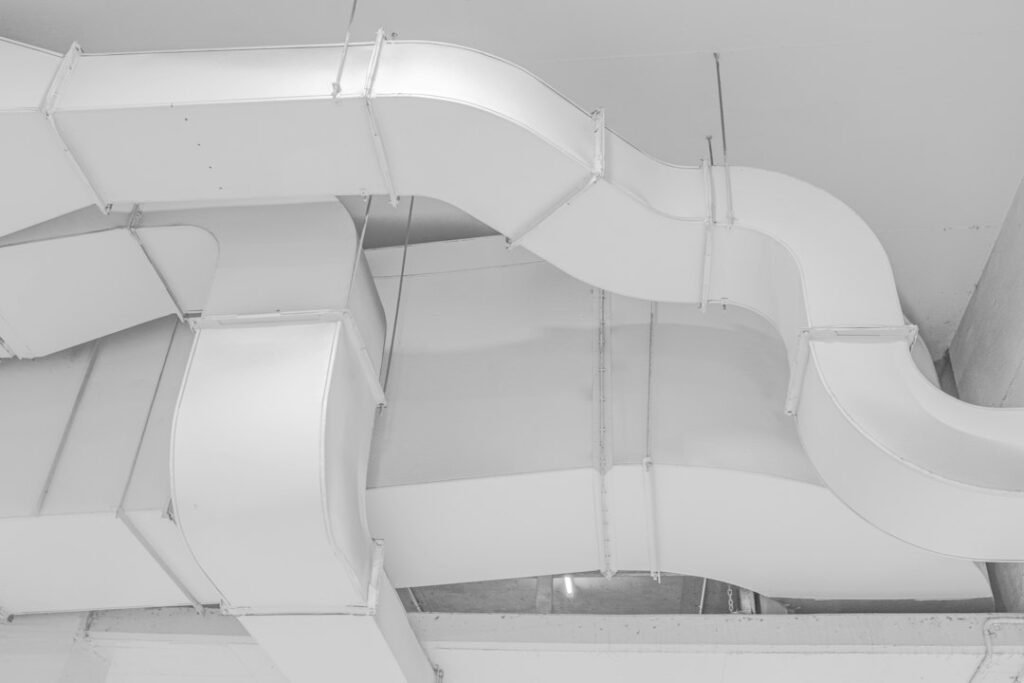
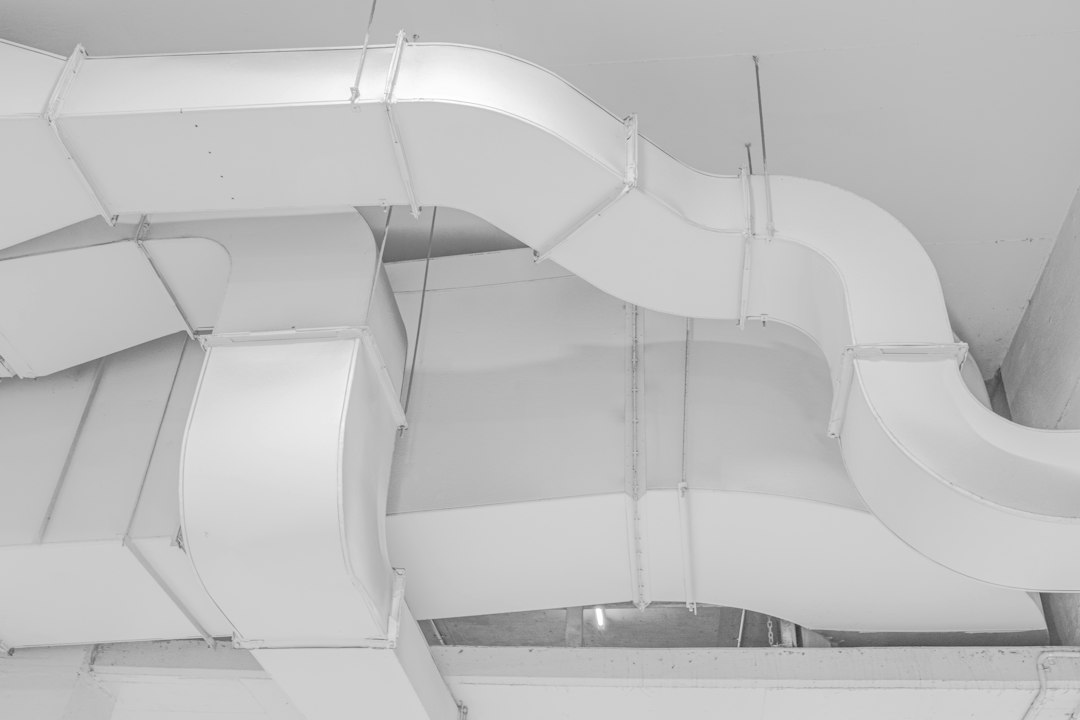
Insulation around ductwork prevents energy waste. In uninsulated ducts, heated or cooled air loses temperature as it travels through your home. This means your HVAC system has to work harder to maintain the desired temperature, increasing energy consumption.
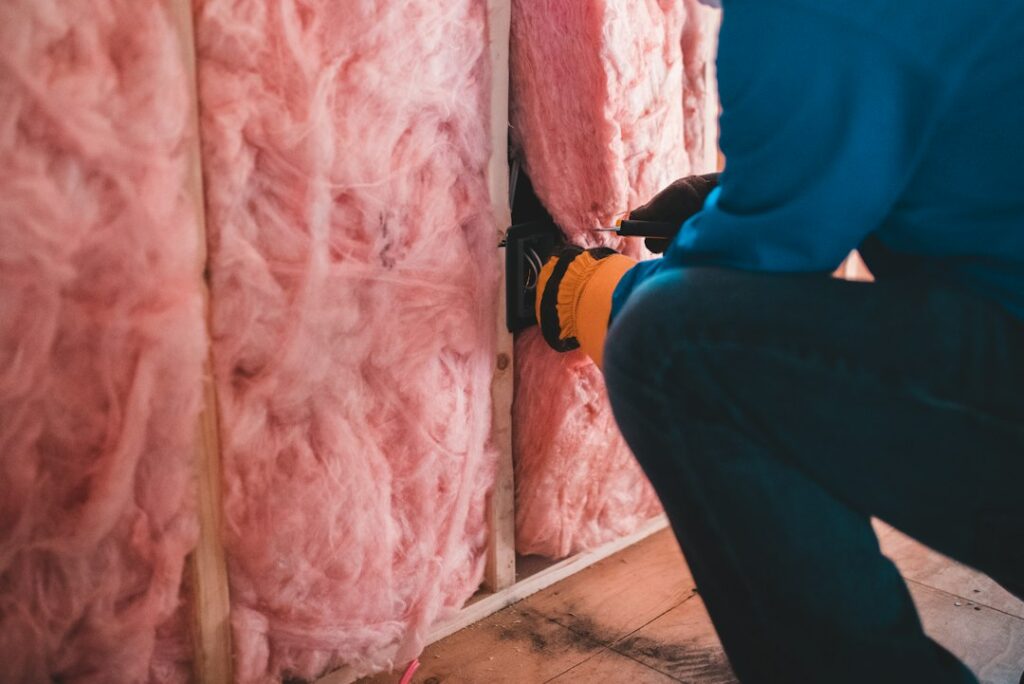
Types of Duct Insulation
There are several types of duct insulation available. The most common types include:
- Fiberglass Wrap: Widely used, it provides a balance of cost and effectiveness.
- Rigid Foam Board: Offers more robust insulation but may be more challenging to install.
- Spray Foam: Ideal for sealing and insulating irregularly shaped ducts.
Choosing the right type depends on your ductwork’s location and your budget.
When to Insulate Your Ductwork
If your ductwork runs through unconditioned spaces like basements or attics, insulation is particularly beneficial. These areas are often subject to temperature extremes, making them prone to energy loss.
Consider insulation during any major HVAC upgrades or replacements. It’s also a good time to assess if your current insulation is still effective.
Potential Energy Savings
The exact energy savings from insulated ductwork can vary based on several factors, including your home’s climate, ductwork layout, and the type of insulation used. However, insulating ducts can generally reduce energy consumption by up to 20%.
Insulating your ductwork can reduce your HVAC system’s energy consumption, potentially saving you up to 20% on your energy bills.
Installation Considerations
While adding insulation can be a DIY project, it often requires professional expertise to ensure that it is applied correctly and thoroughly. Missteps in installation can lead to inefficiencies or system damage.
If you’re considering adding or upgrading your duct insulation, consider reaching out to local HVAC contractors for a professional assessment.
Maintaining Insulated Ductwork
Routine maintenance ensures your duct insulation remains effective. Check for damage or degradation over time, especially in extreme weather conditions. Regular inspection can prevent minor issues from becoming costly repairs.
During regular HVAC checkups, have a professional inspect your ductwork to ensure insulation is intact and performing well.
Proper insulated ductwork can result in significant energy savings and improved comfort. To maximize these benefits, regular maintenance and professional installation are key.