Integrating a whole-home dehumidifier with your central air system can improve comfort by controlling humidity alongside temperature. However, it’s important to weigh the benefits against potential drawbacks, such as installation complexity and cost.
How Dehumidifiers and Central Air Work Together
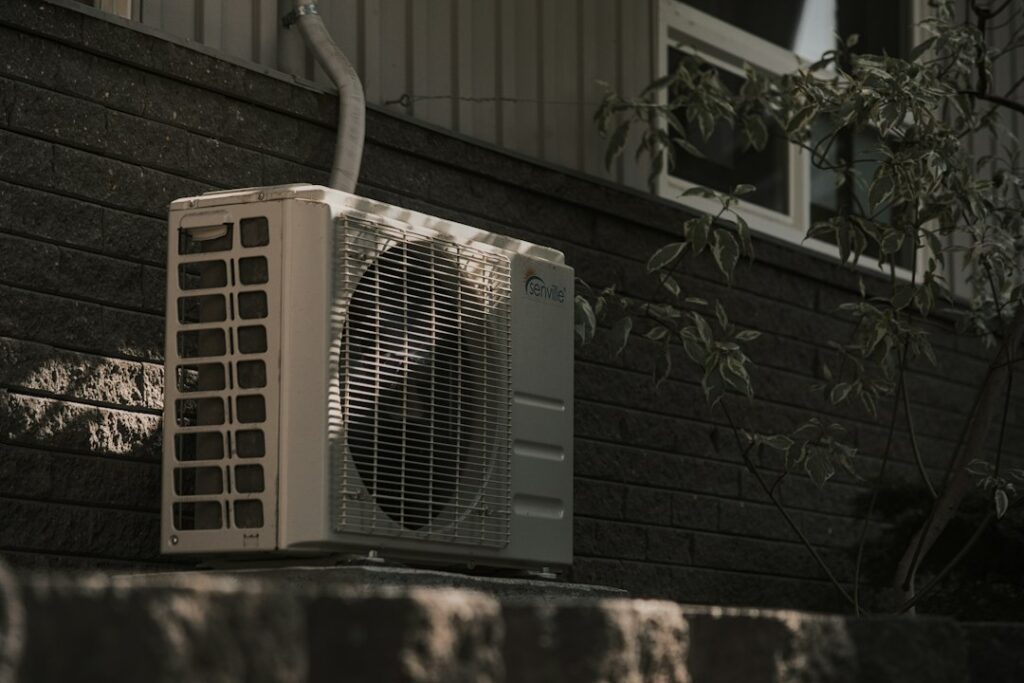
Central air systems are designed primarily to cool your home, not to manage humidity levels. By adding a dehumidifier, you can remove excess moisture from the air, which can make your home feel cooler and more comfortable without lowering the thermostat.
Dehumidifiers work by drawing warm, moist air over a refrigerated coil, which condenses the moisture. This process lowers the humidity and recycles drier air back into your home.
Benefits of Using a Whole-Home Dehumidifier
A whole-home dehumidifier offers several advantages:
- Comfort: Lower humidity makes your home feel cooler and reduces the need for constant air conditioning.
- Healthier Air: By reducing moisture levels, you can help prevent mold, mildew, and dust mites, which thrive in humid conditions.
- Energy Efficiency: A dehumidifier allows you to set your thermostat higher, which can save on cooling costs.
Adding a whole-home dehumidifier can make your home more comfortable without cranking up the air conditioning.
Potential Drawbacks
While beneficial, there are also challenges to consider:
- Installation Cost: Whole-home systems can be costly to install, especially if modifications to existing ductwork are needed.
- Maintenance: Regular maintenance is crucial to ensure the dehumidifier operates efficiently. This includes cleaning or replacing filters and checking for any clogs or leaks.
- Energy Use: Running a dehumidifier uses additional energy, which can increase utility bills if not managed correctly.
Installation Considerations
When installing a dehumidifier with your central air system, consider the following:
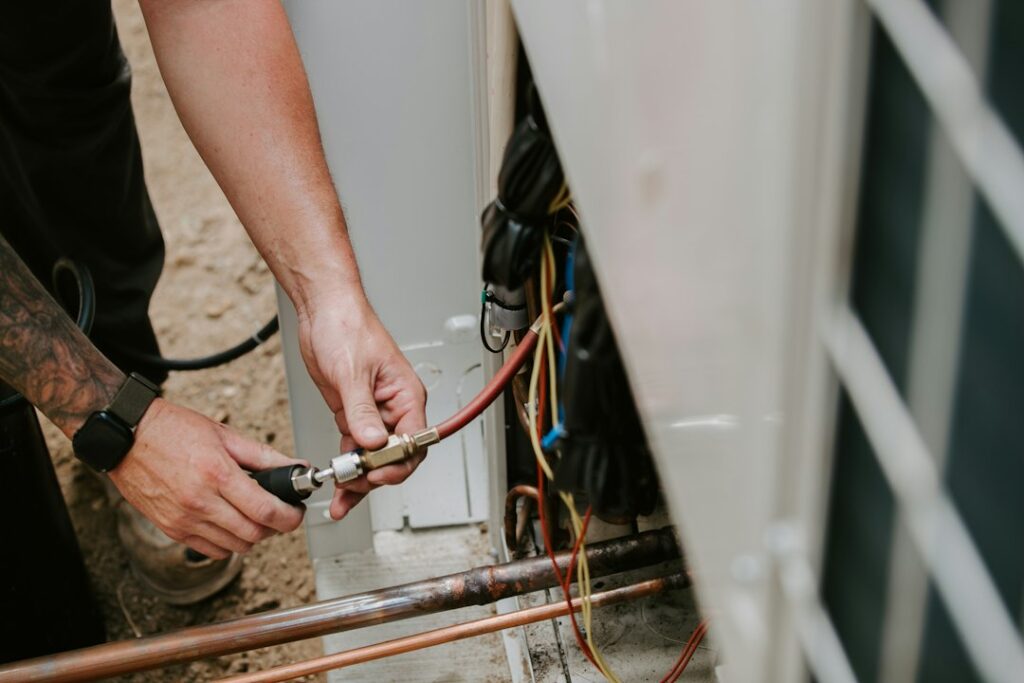
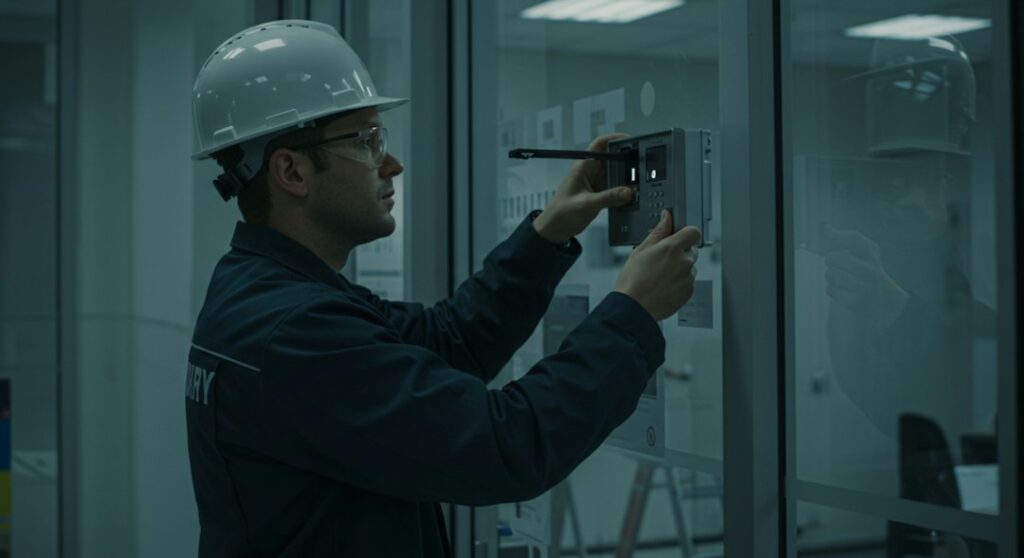
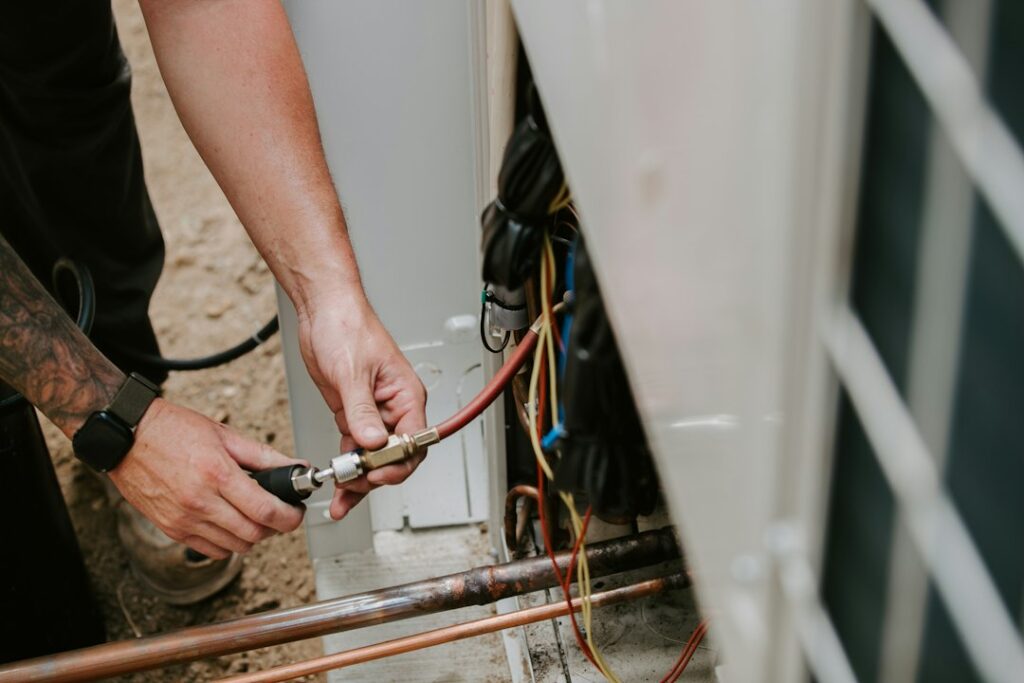
- Professional Installation: It’s recommended to hire an experienced HVAC contractor to ensure proper integration with your central air system.
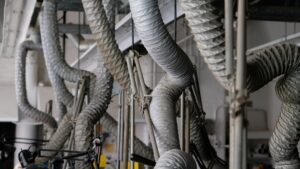
- Location: The dehumidifier should be installed in a location that allows it to connect effectively with your ductwork, such as near the air handler or in a basement.
To find a qualified contractor, you can explore options in your area, such as Toronto or Calgary.
Alternatives to Whole-Home Dehumidifiers
If a whole-home dehumidifier seems too costly or complex, consider these alternatives:
- Portable Dehumidifiers: These are less expensive and can be moved around the house as needed, but they only affect individual rooms.
- Improving Ventilation: Use exhaust fans in high-moisture areas, like bathrooms and kitchens, to naturally reduce humidity.
Maximizing Efficiency and Comfort
To get the most out of your dehumidifier and central air system:
- Regular Maintenance: Keep both systems well-maintained to ensure efficient operation.
- Seal Leaks: Ensure your home is well-sealed to prevent outside moisture from entering.
- Monitor Humidity Levels: Use a hygrometer to monitor and maintain ideal indoor humidity levels between 30% and 50%.
By considering these factors, you can make an informed decision about whether a whole-home dehumidifier is right for your home.
Frequently asked questions
How does a dehumidifier affect energy use?
While a dehumidifier uses additional energy, it can make your home feel cooler, allowing you to set your thermostat higher and potentially offset the energy used by the dehumidifier.
Is professional installation necessary for a whole-home dehumidifier?
Yes, professional installation is recommended to ensure proper integration with your central air system and to avoid potential issues with your HVAC setup.
Can a dehumidifier help with mold problems?
Yes, by reducing humidity levels, a dehumidifier can help prevent mold and mildew growth, creating a healthier indoor environment.
What maintenance does a whole-home dehumidifier require?
Regular maintenance includes cleaning or replacing filters, checking for clogs or leaks, and ensuring the unit is operating efficiently.
Are there alternatives to a whole-home dehumidifier?
Yes, alternatives include portable dehumidifiers for smaller spaces and improving ventilation in high-moisture areas like bathrooms and kitchens.