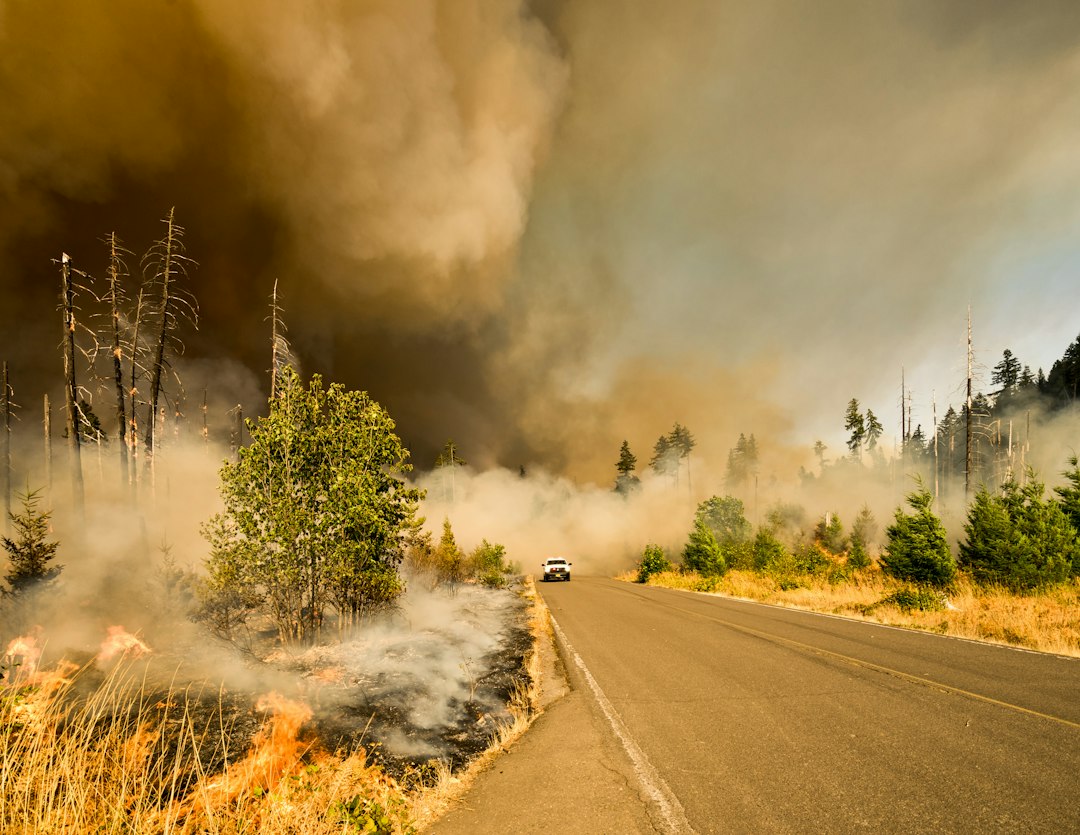
To minimize smoke from wildfires, choose an HVAC filter with a high MERV rating, specifically designed for fine particles. Look for filters rated MERV 13 or higher, as they effectively capture smoke particles and improve indoor air quality.
Understanding MERV Ratings
MERV stands for Minimum Efficiency Reporting Value. It’s a measure of how effectively a filter captures particles of different sizes. The higher the rating, the more particles the filter will capture.
For smoke, which consists of very fine particles, a MERV 13 or higher filter is recommended. These filters can trap smaller particles, making them ideal for reducing smoke inside your home.
Types of Filters Suitable for Smoke
There are several types of filters that can help with smoke:
- Pleated Filters: These are commonly available and effective for smoke when rated MERV 13 or higher.
- HEPA Filters: While not technically MERV-rated, HEPA filters are highly effective at capturing smoke particles. Check compatibility with your HVAC system.
- Carbon Filters: These can help reduce odors and gaseous pollutants from smoke, in addition to particulate matter.
Considerations for Your HVAC System
Before buying a high-efficiency filter, make sure your HVAC system can handle it. High MERV filters can restrict airflow, which may strain your system.
Consult with a professional, especially if you’re unsure. In cities like Toronto or Calgary, finding a local HVAC contractor can help ensure you select a filter that won’t damage your system.
Maintenance and Replacement
Regular maintenance is crucial for filters dealing with smoke. Check and replace them more frequently during wildfire season. Clogged filters don’t just reduce air quality; they can also harm your HVAC system.
“For optimal smoke filtration, choose a filter with a MERV rating of 13 or higher and maintain it regularly.”
Replacing filters every 30-60 days during high smoke periods is a good practice.
Cost and Availability
Filters with higher MERV ratings tend to be more expensive, but they provide better smoke filtration. Availability can vary, especially during wildfire season, so plan ahead.
Some areas might offer rebates for high-efficiency filters. Check local programs to save on costs.
Practical Steps Forward
Start by assessing the needs of your home and HVAC system. Choose a filter that meets those needs without compromising system performance.
Consult a local professional if needed to ensure your choice is compatible with your system, ensuring both smoke filtration and efficiency.