
Seasonal changes can significantly impact indoor air quality. During winter, when homes are sealed tight to conserve warmth, pollutants can accumulate. In contrast, spring and summer bring pollen and humidity, introducing new challenges. Understanding these effects can help you take steps to maintain good indoor air quality year-round.
Winter: Sealed Homes and Accumulating Pollutants
In winter, homes are often sealed to keep out the cold. This reduced ventilation can lead to a build-up of indoor pollutants like dust, pet dander, and volatile organic compounds (VOCs) from household products. Dry air can also exacerbate respiratory issues.
- Use air purifiers to reduce indoor pollutants.
- Maintain humidity levels with a humidifier.
- Regularly change HVAC filters.

Spring: Pollen and Allergies
Spring is synonymous with blooming plants, which means increased pollen levels. For those with allergies, this can be a challenging time. Pollen can easily enter homes through open windows and on clothing, affecting indoor air quality.
Consider investing in high-quality air filters and keeping windows closed during high pollen days. Regular cleaning can also help reduce indoor pollen levels.
Summer: Humidity Challenges
Summer brings higher humidity levels, which can lead to mold growth and dust mites if not controlled. Both can negatively impact indoor air quality and health.
- Use a dehumidifier to maintain comfortable humidity levels.
- Ensure proper ventilation, especially in bathrooms and kitchens.
- Regularly inspect for signs of mold and address promptly.
Autumn: Transition and Preparation
Autumn is a transitional season where you prepare your home for winter. Dust and allergens can accumulate as you start using your heating systems again.
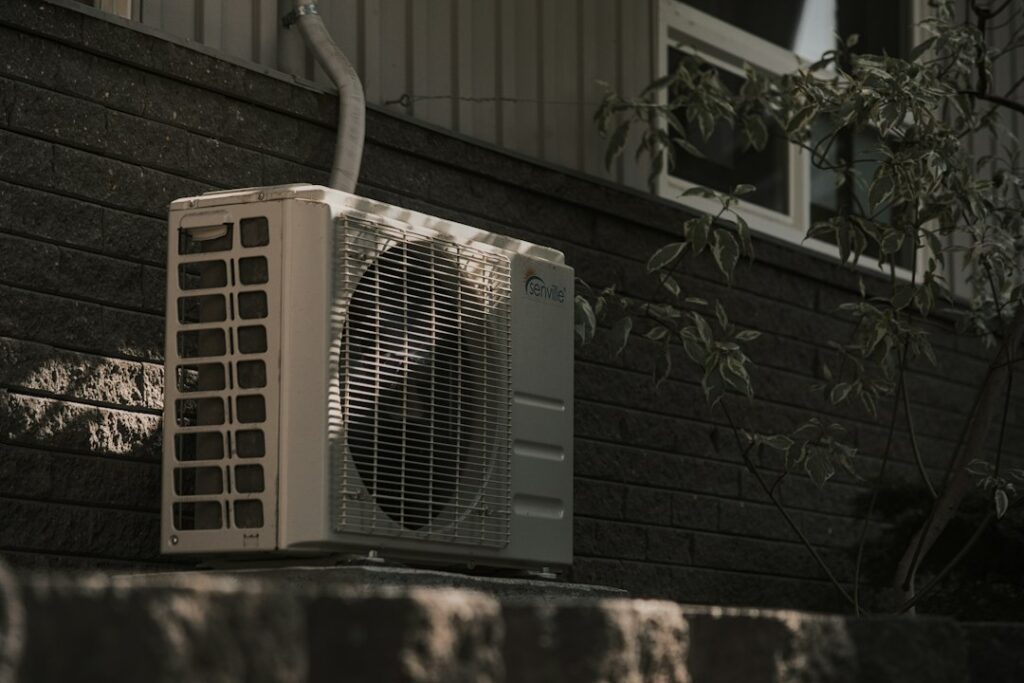
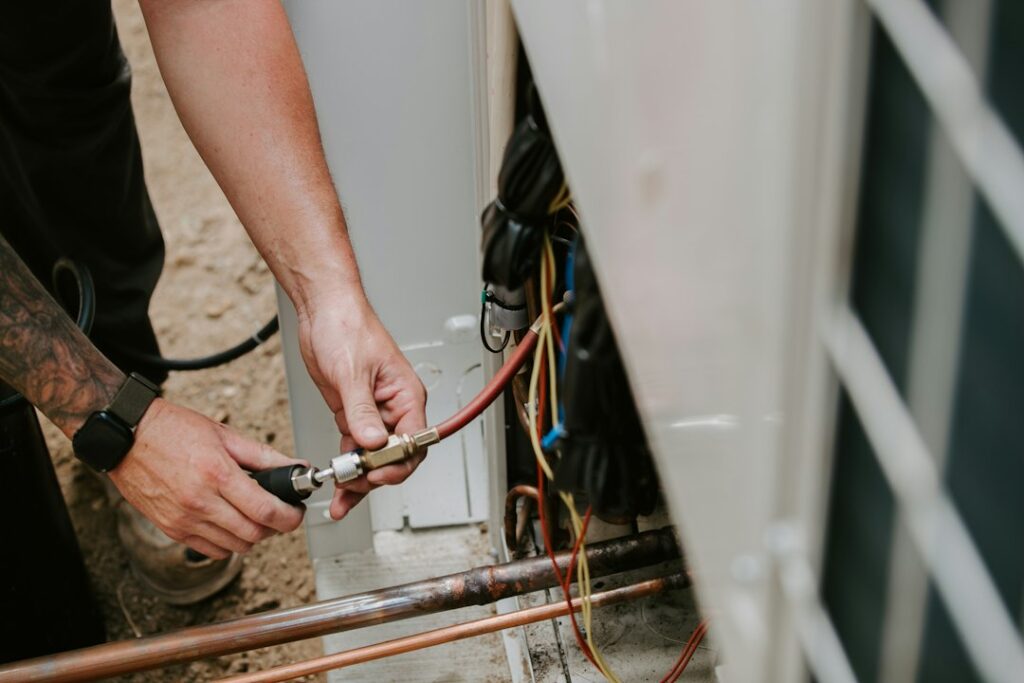
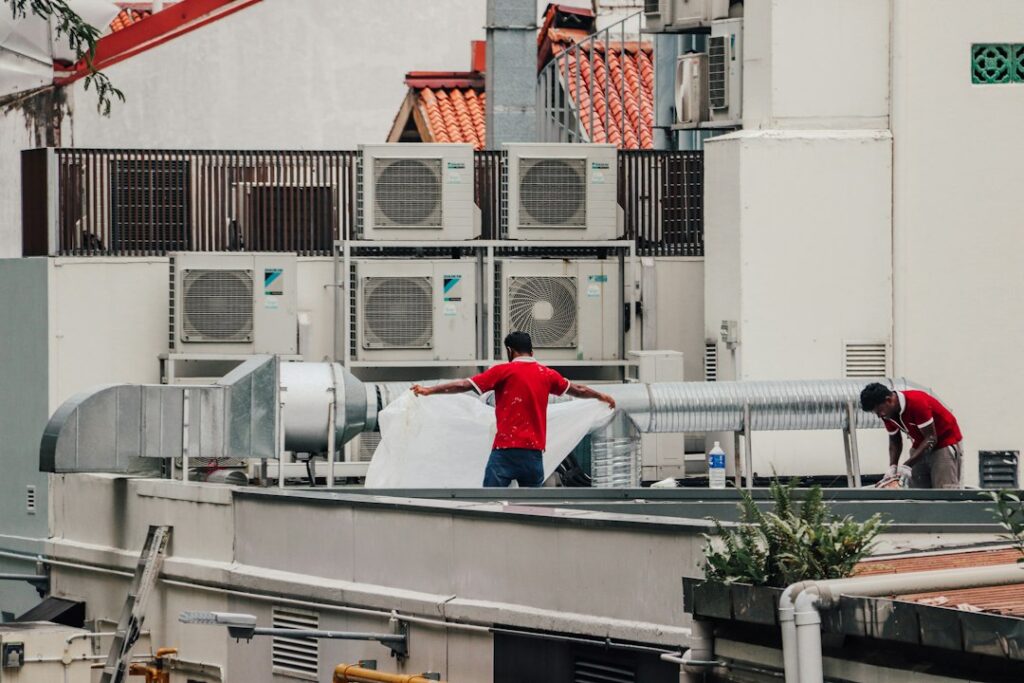
It’s a good time to have your HVAC system serviced. Consider hiring a professional if you live in Ottawa or other cities with harsh winters.
The more you understand how seasons impact indoor air quality, the better you can prepare your home for comfort and health.
Practical Tips for Year-Round Air Quality
Regardless of the season, some steps can help maintain good indoor air quality:
- Regularly scheduled HVAC maintenance.
- Invest in quality air purifiers and filters.
- Monitor and manage indoor humidity levels.
Understanding seasonal challenges and taking proactive measures can keep your home a comfortable haven throughout the year.