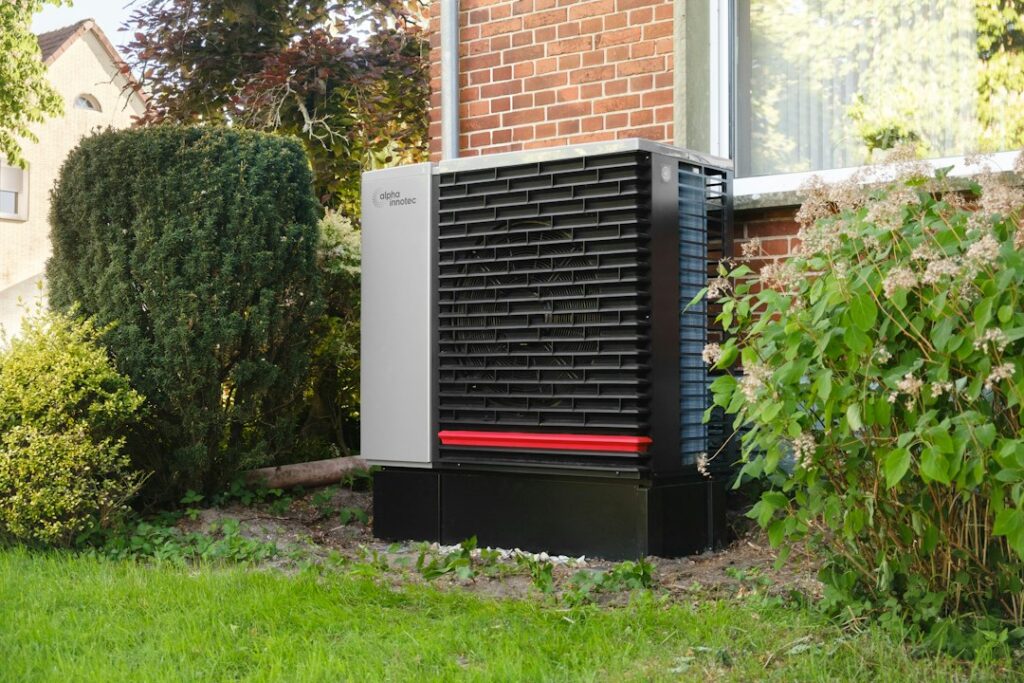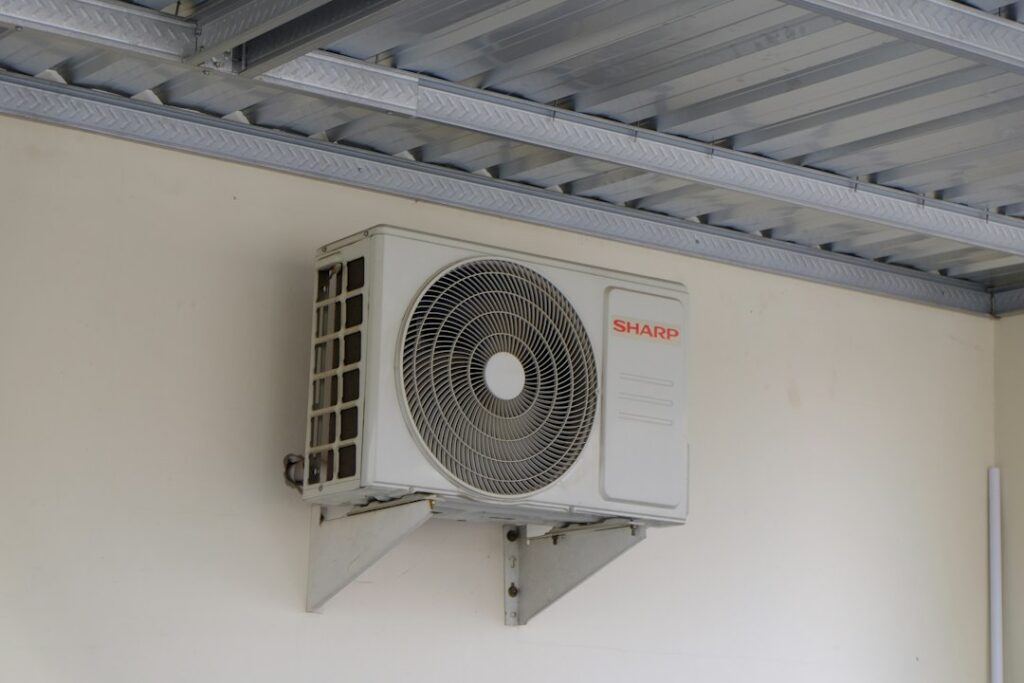
If your HVAC system is over 15 years old, frequently breaks down, or is no longer efficient, it might be time to consider an upgrade. Older systems often struggle to keep up with modern energy standards, leading to higher bills and less comfort. Identifying these signs early can help ensure your home stays comfortable year-round.
System Age
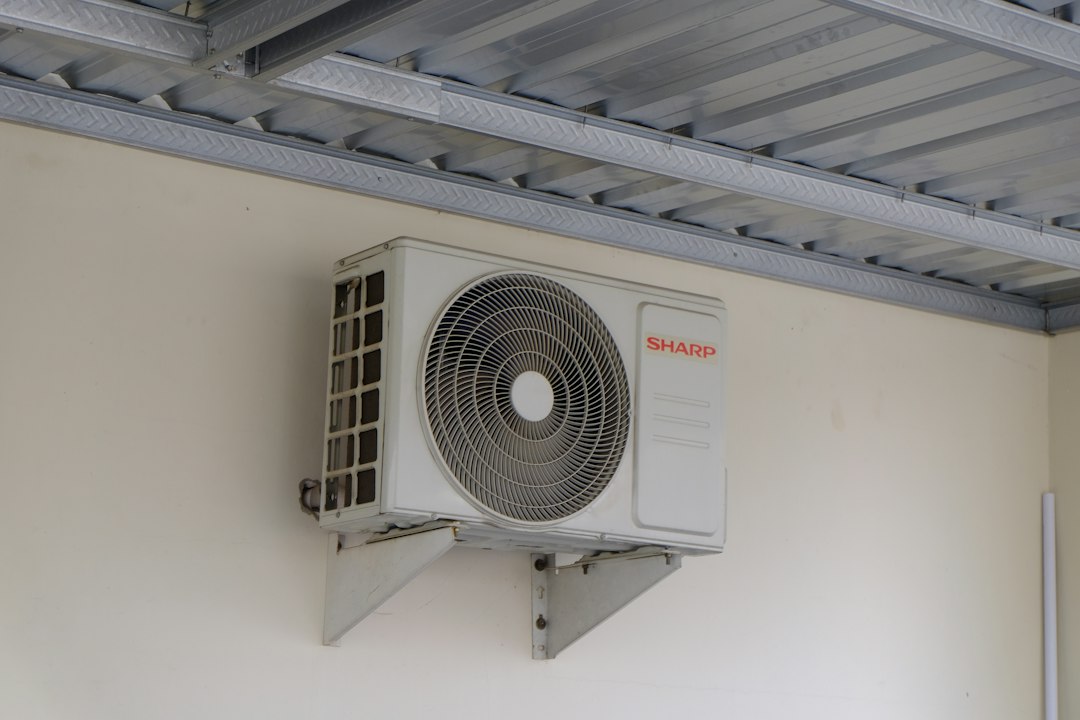
One of the most straightforward indicators is the age of the system. Most HVAC systems have a lifespan of 15 to 20 years. After this point, they can become less efficient and more prone to breakdowns.
Inefficiency and Rising Energy Bills
Older systems can become inefficient, leading to higher energy bills. If you notice your bills creeping up without a change in usage, it might be due to an inefficient HVAC system.
Consider upgrading to a more energy-efficient model. New systems often have better SEER ratings, which can significantly lower energy costs.
Frequent Repairs
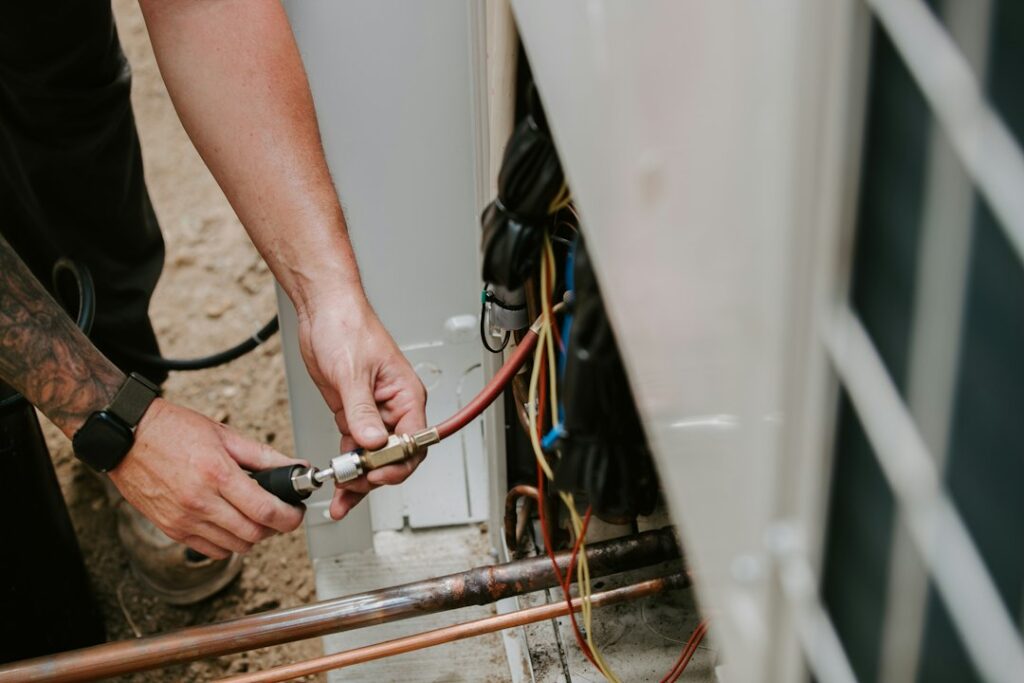
Are you calling the repair service more often than you’d like? Frequent breakdowns are a clear sign that your system is on its last legs. The cost of repairs can quickly add up, making an upgrade a more economical choice.
Inconsistent Temperatures
If some rooms are too hot while others are too cold, your HVAC system might be struggling to distribute air evenly. This inconsistency can be frustrating and uncomfortable.
- Check for blocked vents or ducts.
- Consider an upgrade for better control and distribution.
Noise and Unusual Sounds
As systems age, they may start to make more noise. Unusual sounds like clanking or grinding can indicate mechanical issues that require attention.
Sometimes, these sounds are a precursor to larger problems, suggesting it might be time for an upgrade.
Environmental Impact
Older HVAC systems can have a larger carbon footprint. Upgrading to a modern, more efficient system can reduce your environmental impact.
“Replacing an outdated HVAC system can lead to significant improvements in energy efficiency and home comfort.”
Whether you’re in Toronto, Calgary, or Montreal, upgrading your HVAC system can be a wise investment. For assistance, consider reaching out to professionals in your area. Find a reliable contractor in our directory.
Making the Decision
If your system shows several of these signs, it might be time to plan an upgrade. Consulting with a local professional can provide insights specific to your home’s needs and location.
Frequently asked questions
How often should I replace my HVAC system?
Most HVAC systems last 15 to 20 years. If your system is nearing this age, consider an upgrade to improve efficiency and avoid frequent repairs.
What is a SEER rating?
SEER stands for Seasonal Energy Efficiency Ratio. It measures air conditioning and heat pump cooling efficiency. Higher SEER ratings indicate greater energy efficiency.
Can old HVAC systems affect indoor air quality?
Yes, older systems might not filter air effectively, which can negatively impact indoor air quality. Consider an upgrade to enhance air filtration and circulation.
What should I do if my HVAC is making noise?
Unusual noises often indicate mechanical issues. It's best to have a professional inspect your system to determine if repairs or a replacement are necessary.
How can I improve HVAC efficiency without replacing it?
Regular maintenance, such as replacing filters and cleaning ducts, can improve efficiency. However, if inefficiency persists, an upgrade might be needed.