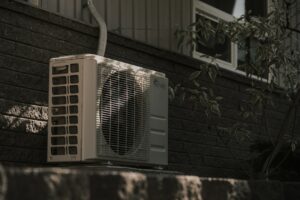
Frost on your central air conditioner can reduce its efficiency by blocking airflow and straining the system. If you notice frost, it’s crucial to address the issue promptly to maintain optimal performance and avoid costly repairs.
Why Frost Forms on Central AC Units
Frost usually forms on central air conditioners due to a few common reasons. The most frequent cause is restricted airflow. When air can’t move freely across the evaporator coils, the temperature drops enough to freeze the moisture in the air. Another reason could be low refrigerant levels, which cause the coils to become too cold. Dirty filters or blocked vents can also contribute to frost build-up.

Impact of Frost on AC Efficiency
When frost accumulates on your AC unit, it can significantly decrease efficiency. The frost acts as an insulator, preventing the coils from absorbing heat effectively. This means your system has to work harder to cool your home, leading to increased energy consumption and higher utility bills. In severe cases, prolonged frost can damage components, leading to costly repairs.
Signs That Frost Is Affecting Your AC
Recognizing the signs of frost on your AC can help you take action before efficiency is severely impacted. Look for uneven cooling in your home, unusually high energy bills, or visible frost on the outdoor unit. If your AC is running constantly but still not cooling effectively, it might be a sign that frost is the culprit.
Frost on your AC doesn’t just lower efficiency; it can lead to bigger problems if ignored.
Steps to Prevent Frost Formation
Preventing frost on your central AC involves regular maintenance and attention to airflow. Here are some steps you can take:
- Change Filters Regularly: Ensure that air filters are clean and replaced as needed to maintain proper airflow.
- Check and Clean Vents: Keep vents free from obstructions and dust to promote optimal air circulation.
- Inspect Refrigerant Levels: Have a professional check the refrigerant levels regularly to prevent them from getting too low.
- Schedule Routine Maintenance: Regular check-ups by a professional can identify potential issues before they lead to frost.
When to Call a Professional
If frost persists despite your best efforts, it’s time to call in a professional. A qualified technician can diagnose and fix underlying issues, such as refrigerant leaks or faulty components. For those in major cities, finding a local contractor can be straightforward. For instance, you can find HVAC contractors in Toronto or Calgary easily.
Practical Tips for Homeowners
Maintaining your AC unit to prevent frost is a year-round task. Regular maintenance, attention to airflow, and timely professional intervention can keep your system running efficiently. Remember, a system working efficiently not only saves on energy costs but also extends the lifespan of your AC unit.