When your heat pump isn’t working correctly, start by checking for common problems. Identify issues like incorrect thermostat settings, blocked airflow, or unusual noises before deciding if you need professional help. Many heat pump problems can be resolved with simple troubleshooting steps.
Check the Thermostat Settings
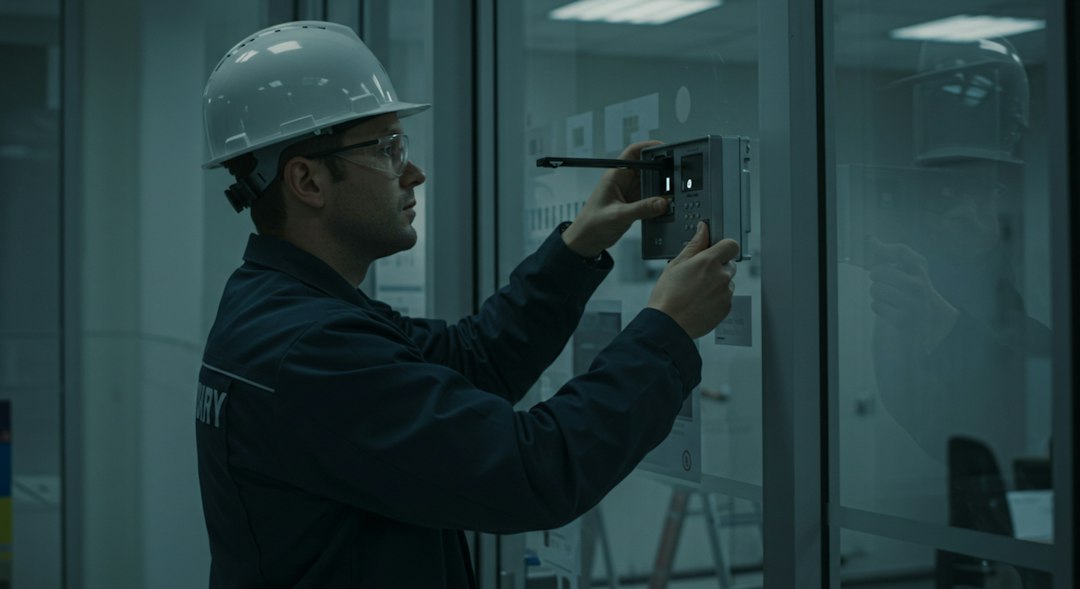
The first step in troubleshooting your heat pump is ensuring the thermostat is set correctly. Double-check the mode, temperature, and schedule settings.
- Mode: Make sure it’s set to the right mode — heating or cooling, depending on your needs.
- Temperature: Confirm that the temperature setting is appropriate for the current season.
- Schedule: Review any programmed schedules that might override manual settings.
Ensure Airflow Isn’t Blocked
Blocked airflow can significantly impact your heat pump’s efficiency. Inspect both your indoor and outdoor units.
- Indoor Unit: Check vents and filters for dust or debris. Clean or replace filters as needed.
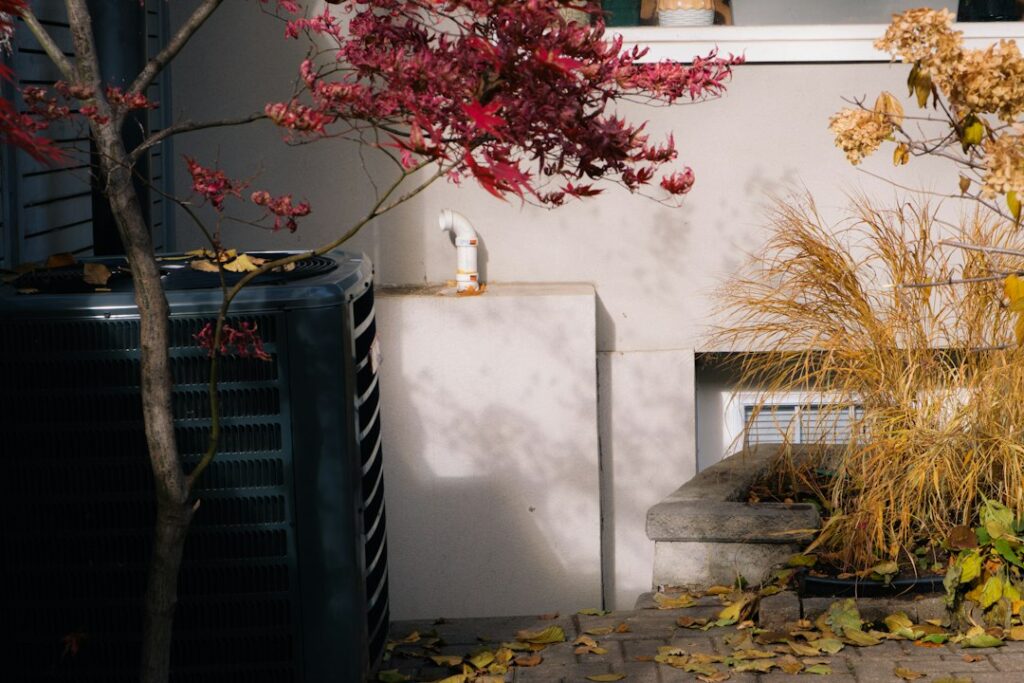
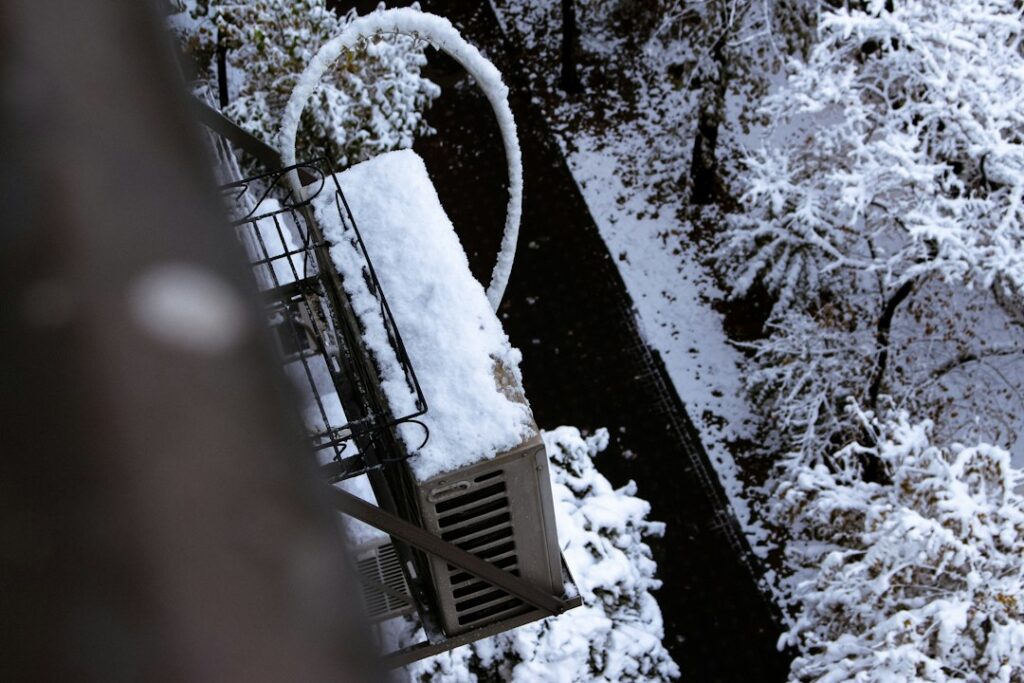
- Outdoor Unit: Clear leaves, snow, or other debris from around the unit. Ensure at least two feet of clearance.
Listen for Unusual Noises
Odd noises can indicate a problem with your heat pump. Different sounds can mean different issues.
- Grinding or Squealing: Could mean motor or fan issues. Consider calling a professional if these sounds persist.
- Rattling: May indicate loose parts. Tighten any visible screws or panels.
Inspect the Power Supply
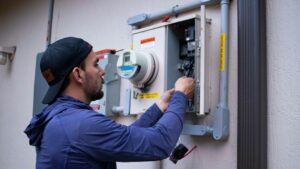
If your heat pump isn’t turning on, it might be a power issue. Confirm the following:
- Power Source: Check the circuit breaker and ensure the unit is plugged in.
- Fuse: Look for blown fuses and replace them if necessary.
Consider the Age of Your System
Older heat pumps may not perform as efficiently and could require more frequent maintenance.
If your system is over 10 years old, consider a professional inspection or replacement. It’s wise to consult a local HVAC contractor for advice on whether to repair or replace.
Regular maintenance and prompt attention to minor issues can significantly extend the lifespan of your heat pump.
Seek Professional Help When Needed
If these steps don’t solve your problem, it might be time to call in a professional. Look for local experts if you’re in Toronto or elsewhere in Canada.
In summary, simple checks like ensuring correct settings and clearing debris can often resolve heat pump issues. If problems persist, however, don’t hesitate to seek expert help.
Frequently asked questions
What should I do if my heat pump is leaking water?
Water leaks may be due to clogged drainage or frozen coils. Clear any blockages and ensure proper drainage, but consider calling a technician if the problem persists.
How often should heat pump filters be changed?
Filters should be checked monthly and changed every 1 to 3 months, depending on usage and indoor air quality.
Why is my heat pump not heating effectively?
Poor heating can result from incorrect thermostat settings, restricted airflow, or low refrigerant levels. Check settings and airflow first; professional help may be needed for refrigerant issues.