
Zoned HVAC systems offer substantial benefits for homeowners seeking improved comfort and energy efficiency. By dividing a home into different zones, you can control the heating and cooling in each area separately, reducing energy waste and tailoring comfort to your needs.
What is a Zoned HVAC System?
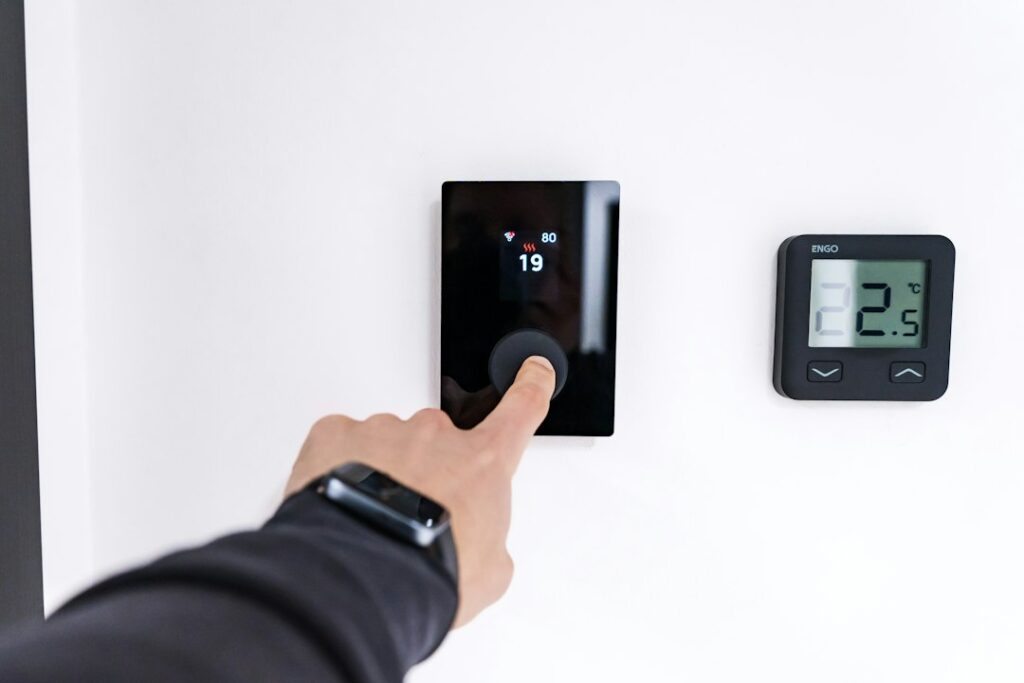
A zoned HVAC system divides a home into distinct areas, each with its own thermostat. This allows you to set different temperatures in various parts of the house. For example, you can keep bedrooms cooler for sleeping while maintaining a warmer living room.
Zoning typically uses dampers in the ductwork to redirect air, and each zone is controlled by its own thermostat. Some systems may use multiple HVAC units for larger homes.
Energy Savings
One of the biggest advantages of a zoned HVAC system is its potential for energy savings. By heating or cooling only the areas in use, you can significantly cut down on energy consumption. This is especially beneficial in larger homes or those with unused spaces.
Since you avoid over-conditioning areas that don’t need it, your HVAC system doesn’t work as hard, which can lower energy bills over time.
Using a zoned HVAC system can be like having multiple climate control systems under one roof.
Improved Comfort
Zoned systems provide enhanced comfort by allowing customized temperature settings. If family members have different temperature preferences, zoning can keep everyone happy without the need for portable heaters or fans.
Additionally, zoning can address hot or cold spots in a home, ensuring consistent comfort throughout.
System Longevity
By using your HVAC system more efficiently, zoning can extend its lifespan. Less strain on the system can mean fewer repairs and a longer-lasting unit. This can save money on maintenance and replacement costs in the long run.
Installation Considerations
Installing a zoned system may require some upfront investment. You’ll need to work with a qualified HVAC contractor to design a system that meets your home’s specific needs. This could involve adding dampers, thermostats, and potentially upgrading your existing HVAC equipment.
In cities like Toronto or Calgary, you’ll find experienced contractors who can help with this process.
Is Zoning Right for You?
Consider zoning if you have a multi-story home, rooms that are rarely used, or occupants with varying comfort needs. It may not be cost-effective for smaller homes where a single thermostat can manage the climate adequately.
To determine if a zoned HVAC system is suitable, consulting with a local HVAC professional can provide tailored advice and potential cost savings estimates.
Taking the Next Step
If you’re ready to explore zoned HVAC systems, start by contacting HVAC contractors in your area. They can assess your home and help you decide if zoning is the right choice. Find qualified professionals in our contractor directory.
Frequently asked questions
How does a zoned HVAC system work?
Zoned HVAC systems use dampers in ductwork to control airflow to different areas of a home, allowing for independent temperature settings in each zone.
Can zoning be added to an existing HVAC system?
Yes, zoning can often be added to existing systems, but it may require adjustments to ductwork and additional thermostats. Consult an HVAC professional for details.
How much can I save with a zoned HVAC system?
Savings vary depending on home size, usage patterns, and local energy costs. Zoning typically reduces energy bills by allowing more efficient heating and cooling.
What types of homes benefit most from zoned HVAC systems?
Homes with multiple stories, unused rooms, or varying temperature preferences among occupants benefit most from zoned HVAC systems.
Are there any drawbacks to zoned HVAC systems?
The main drawback is the initial cost of installation, which can be significant. However, energy savings and increased comfort often offset this over time.