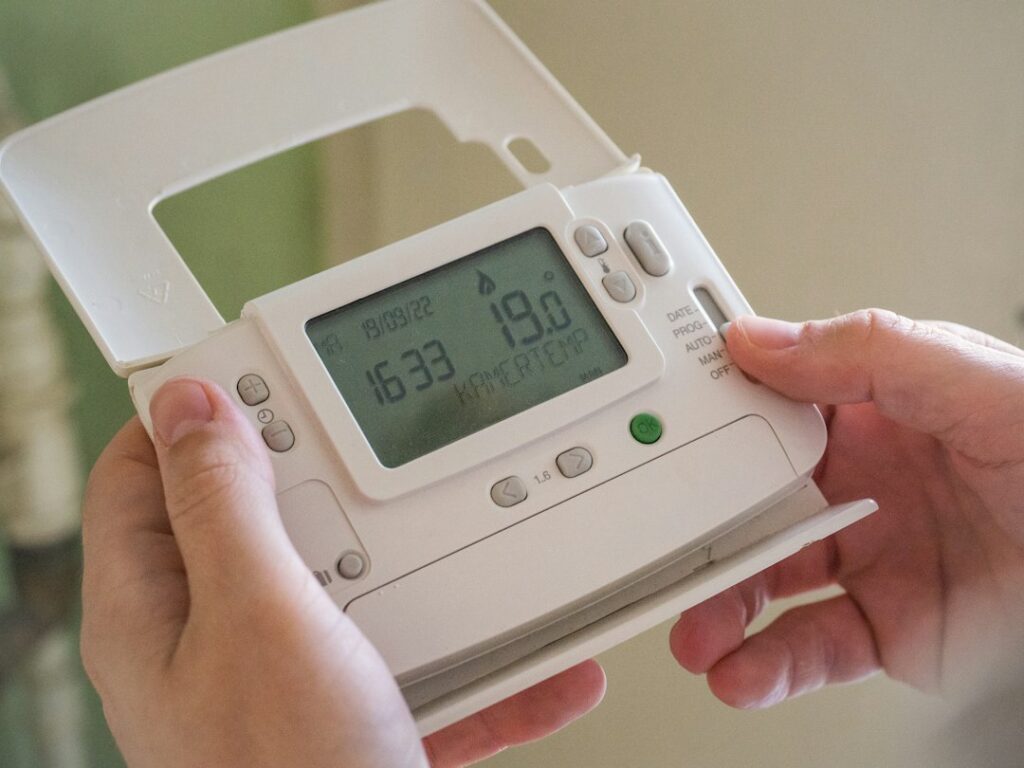
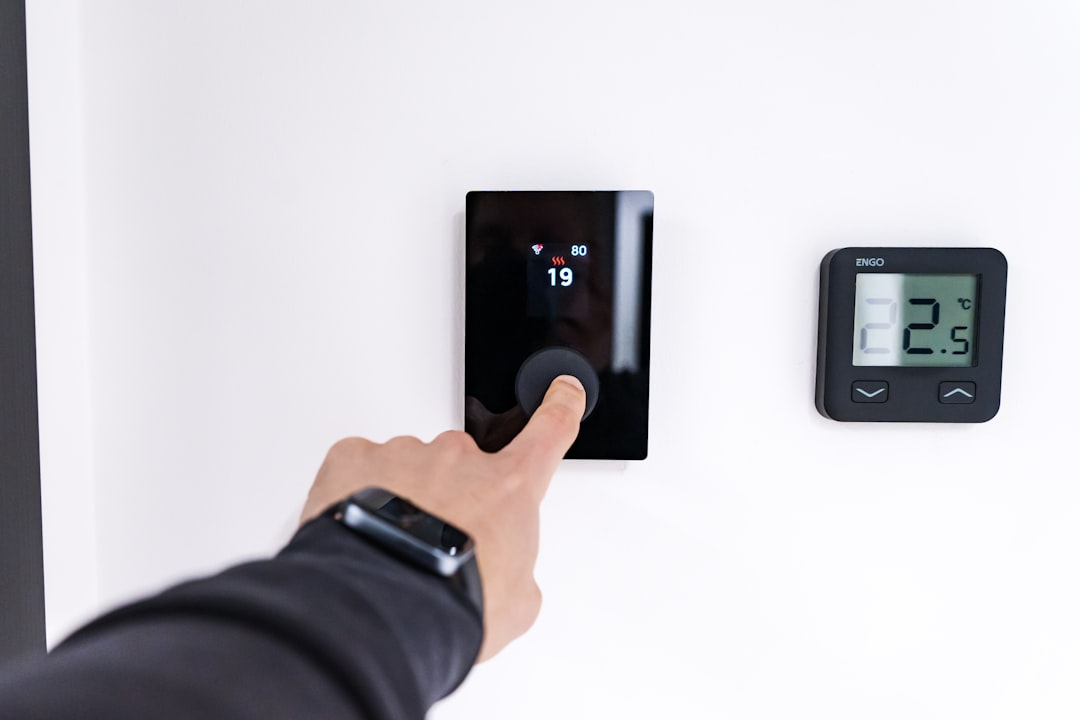
Smart HVAC systems offer convenience and energy efficiency, making them a tempting option for homeowners. However, they also come with considerations like cost and complexity. Understanding the benefits and drawbacks can help you decide if upgrading to a smart system is the right choice for your home.
Energy Efficiency and Savings
One of the main advantages of smart HVAC systems is their potential for energy efficiency. By learning your habits and adjusting the temperature accordingly, these systems can help lower your utility bills.
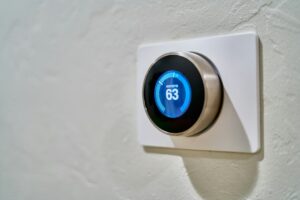
Features like programmable thermostats and remote access allow you to control your home’s climate from anywhere. This can prevent unnecessary heating or cooling, saving energy.
Convenience and Control
Smart HVAC systems offer unparalleled convenience. You can adjust your home’s temperature from your smartphone, ensuring comfort as soon as you walk in the door.
Systems that integrate with home assistants like Alexa or Google Home allow for voice control. This feature is especially useful if you have mobility issues or simply want an easier way to manage your home environment.
With a smart HVAC system, you can manage your home’s climate from your phone, even when you’re not there.
Initial Costs and Installation
While smart HVAC systems can save money over time, the initial costs can be high. Upgrading your system and installing new technology can be a significant investment.
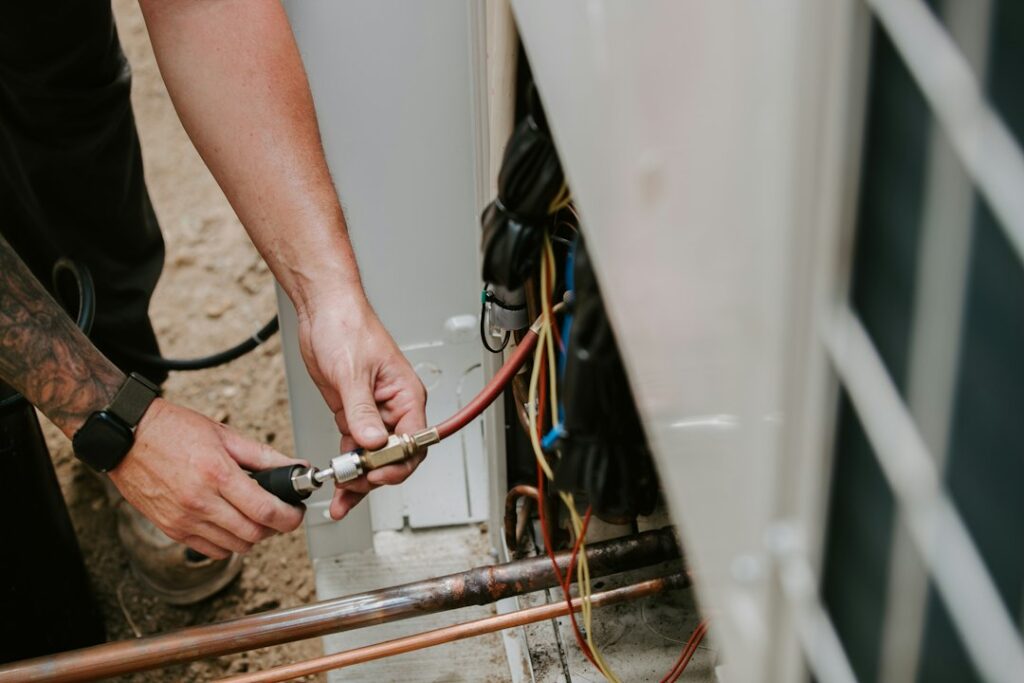
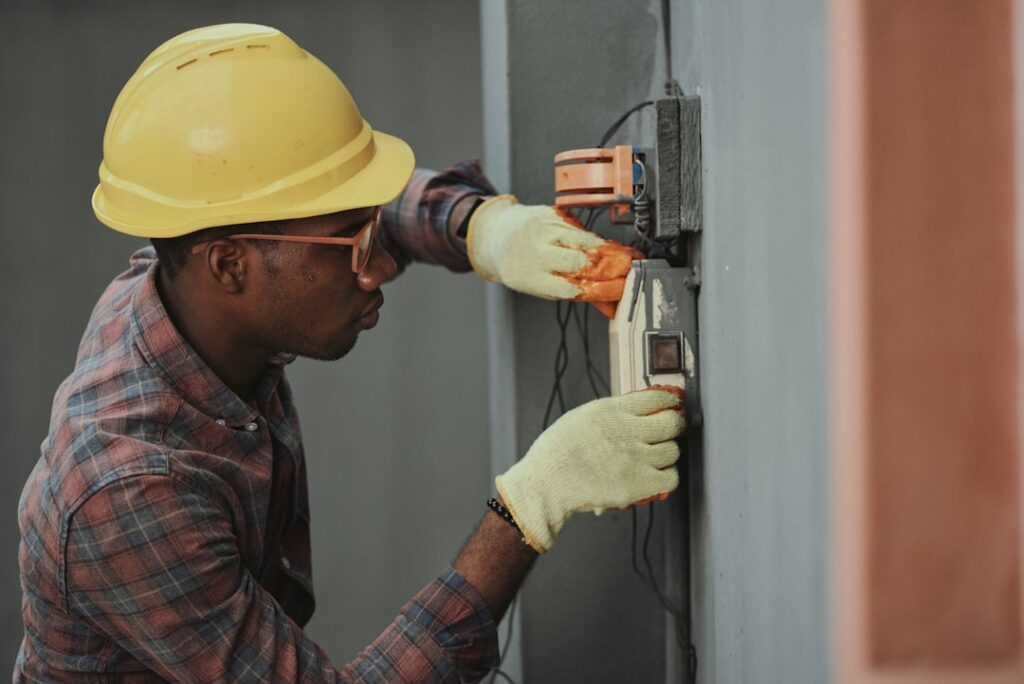
Installation can also be complex, often requiring a professional. This could be a hurdle if you’re not prepared for the upfront costs or logistical planning.
Dependence on Technology
Smart systems rely heavily on technology, which can be a double-edged sword. A strong internet connection is crucial for their optimal performance.
If your Wi-Fi is unreliable or you experience frequent power outages, you may find your system less effective or even frustrating to use.
Security Concerns
Integrating smart technology into your home can raise security issues. Smart HVAC systems store data about your habits and can be vulnerable to hacking.
To mitigate these risks, ensure your system has robust security features and stay informed about potential vulnerabilities.
Is a Smart HVAC System Right for You?
When considering a smart HVAC system, weigh the benefits of energy efficiency and convenience against the potential costs and security concerns. If you’re unsure, consulting local professionals can help you make an informed decision.
For homeowners in Toronto or Calgary, finding a qualified contractor is a crucial step in successfully integrating smart technology into your home.
Frequently asked questions
Do smart HVAC systems work without Wi-Fi?
While basic functions might work offline, most smart features rely on Wi-Fi. Without a strong internet connection, you may lose remote access and automated functionality.
How much can a smart HVAC system save on energy bills?
Savings vary, typically ranging from 10% to 20% on heating and cooling costs. Actual savings depend on your home's insulation, usage habits, and local energy rates.
Are smart HVAC systems secure?
Security varies by system. Look for models with strong encryption and regularly update your software to protect against vulnerabilities. Keeping your home network secure is also crucial.
Can I install a smart HVAC system myself?
DIY installation is possible but not recommended. Professional installation ensures proper setup and maximizes efficiency, particularly for complex systems.
What maintenance do smart HVAC systems require?
Regular maintenance is similar to traditional systems: filter changes, duct cleaning, and annual inspections. Software updates are also important to keep the system running smoothly.