Testing your home’s air quality doesn’t require expensive gadgets. You can use everyday items to check for common pollutants like dust, mold, and odors. Here’s how you can make a quick assessment with items you probably already have around the house.
Using a White Cloth or Paper Towel
A simple test for dust involves a white cloth or paper towel. Dust is a major indoor pollutant that affects air quality and can trigger allergies.
- Choose a spot that often collects dust, like windowsills or ceiling fans.
- Wipe the surface with the cloth or paper towel.
- If the cloth picks up a lot of dust, it might be time to improve your cleaning routine or consider additional air filtration.

Checking for Mold with Vinegar
Mold can be a serious issue for indoor air quality, especially in damp areas. This simple vinegar test can help you identify potential mold problems.
- Mix equal parts of vinegar and water in a spray bottle.
- Spray it on areas prone to mold, like bathroom tiles or basement corners.
- If you notice a fizzing reaction, this could indicate the presence of mold.
Testing for Unpleasant Odors
Bad smells can indicate poor air quality. Here’s a straightforward way to identify the source:
- Walk through each room with a keen nose, especially near trash cans, drains, and closets.
- If the smell is strong and persistent, consider improving ventilation or using natural air fresheners like baking soda or activated charcoal.
Observing Plant Health
Houseplants are not only decorative but can also be indicators of air quality. They react to pollutants in the air.
- Check your plants for signs of distress, like wilting or discolored leaves.
- Healthy plants generally suggest better air quality, while struggling plants may indicate issues with pollutants.
Monitoring Humidity Levels
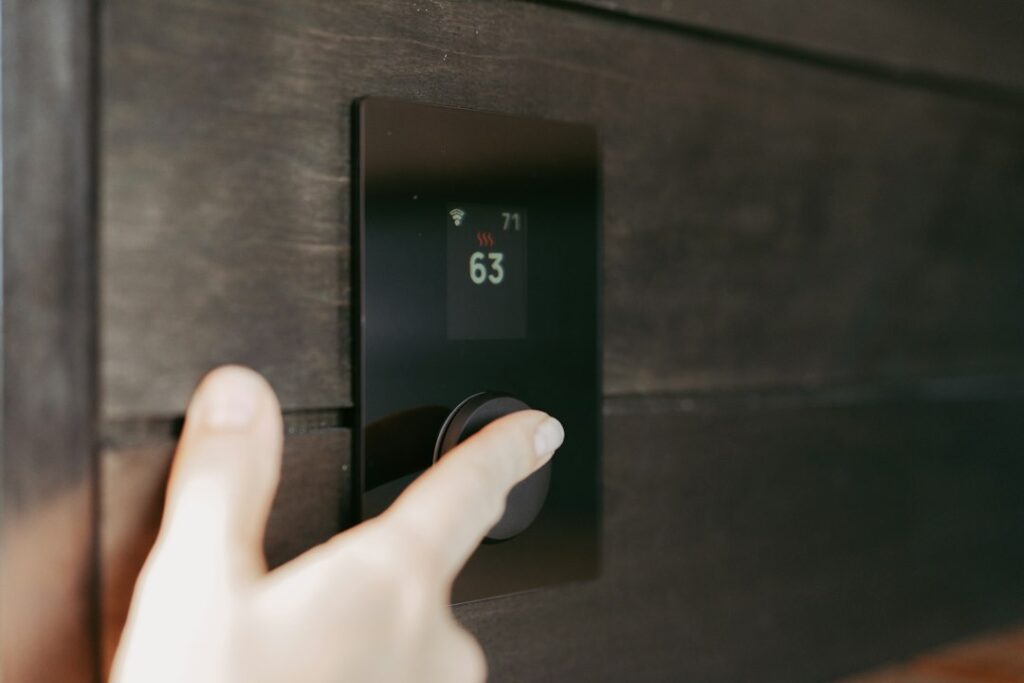
Humidity affects air quality and comfort. You can monitor it without a hygrometer using these signs:
- Too much condensation on windows can mean high humidity, leading to mold growth.
- Dry skin and static electricity are indicators of low humidity.
- Adjust with a humidifier or dehumidifier as needed.
Simple household items like a paper towel, vinegar, and houseplants can help you assess your home’s air quality without spending a dime.
Next Steps for Better Air Quality
If your DIY tests suggest poor air quality, consider professional advice. A qualified HVAC contractor can offer solutions like air purifiers and improved ventilation systems. If you’re in a major city, finding help is easy. For example, Toronto HVAC contractors or Mississauga specialists are just a click away.