
To save on heating costs during the winter, set your ceiling fan to rotate clockwise at a low speed. This helps circulate warm air trapped near the ceiling back down to where you can feel it, making your heating system more efficient.
Why Fan Direction Matters in Winter
Ceiling fans are often associated with cooling in the summer, but they can also aid in heating during the colder months. When a fan rotates clockwise, it pushes warm air that rises to the ceiling back down. This can make a room feel warmer without dialing up the thermostat.
How to Adjust Your Fan
Most ceiling fans have a small switch on the motor housing that changes the direction of the blades. Ensure the fan is turned off before making adjustments. Once set to rotate clockwise, keep it at a low speed to gently push warm air down.
Locating the Direction Switch
The direction switch is typically located on the side of the fan’s motor housing. If you’re unable to locate it, refer to your fan’s manual or check the manufacturer’s website for guidance.
Benefits of Proper Fan Use
- Energy Savings: By recirculating warm air, you may reduce the need for additional heating.
- Comfort Improvement: A more even temperature distribution can eliminate cold spots in rooms.
- Extended System Life: Reducing strain on your furnace or heating system can prolong its lifespan.
Using your ceiling fan in the right direction during winter can lower heating costs and improve comfort without a major investment.
Limitations and Considerations
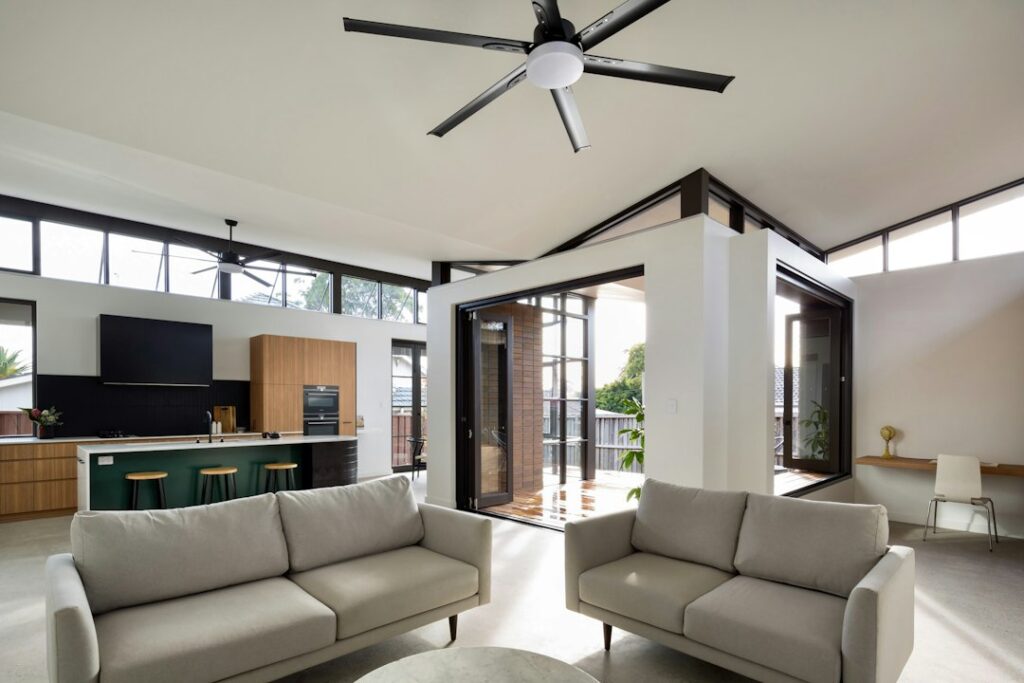
While using a ceiling fan can be beneficial, it isn’t a substitute for a functioning heating system. It’s most effective in rooms with high ceilings where warm air can easily rise above head level. Additionally, fans won’t add warmth; they only help circulate existing heat.
Consulting a Professional
If you’re unsure about adjusting your fan or need enhancements to your heating system, consult a professional. For instance, local contractors in Toronto can offer tailored advice and services. Seeking professional help ensures that your system is optimized for both efficiency and safety.
Final Tips for Winter Comfort
Besides adjusting your ceiling fan, consider other winterizing tips like sealing drafts and adding insulation. Both measures complement the benefits of proper fan use, ensuring a warm and cost-effective winter season.