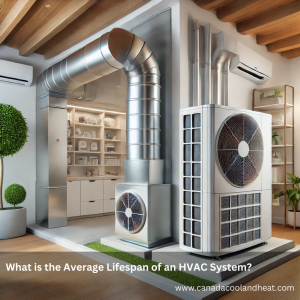
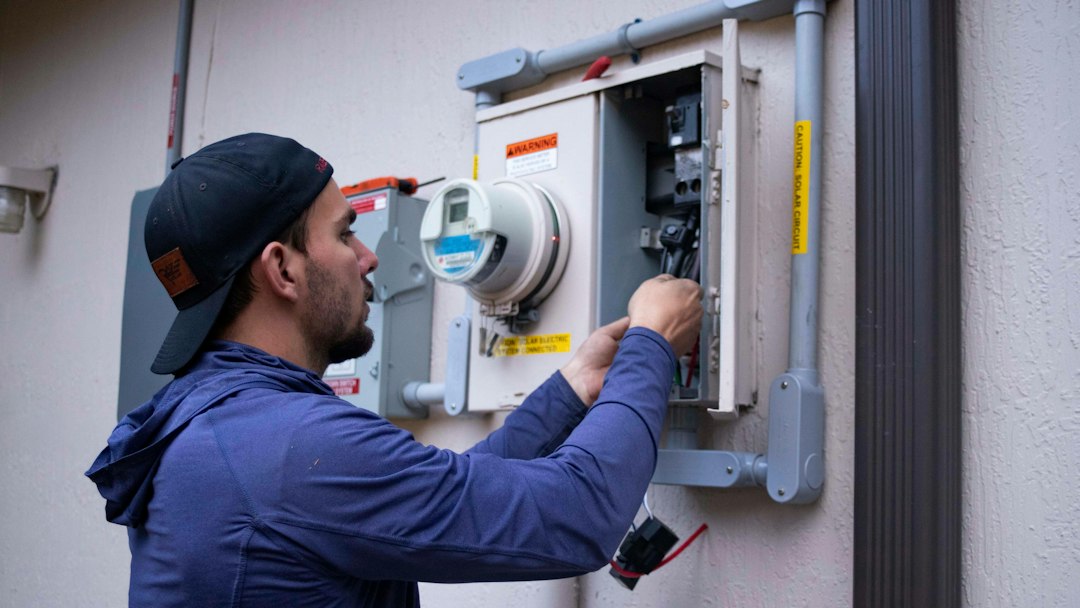
The lifespan of a furnace can vary significantly depending on its type. Generally, gas furnaces last about 15 to 20 years, electric furnaces can run for 20 to 30 years, while oil furnaces typically fall somewhere in between. Factors like maintenance and usage patterns play a crucial role.
Gas Furnace Lifespan
Gas furnaces are one of the most common types found in Canadian homes. They offer efficient heating, but their lifespan, typically ranging from 15 to 20 years, can be affected by several factors:
- Maintenance: Regular servicing can extend a gas furnace’s life.
- Usage: Heavy use in colder areas may reduce lifespan.
- Installation quality: A poor installation can lead to early failures.
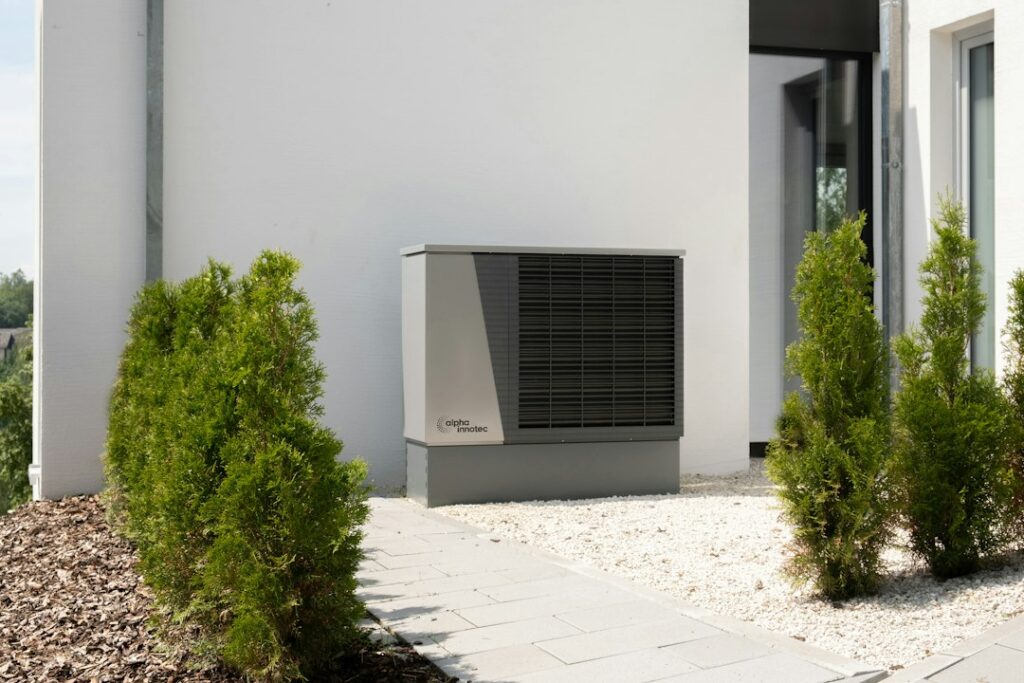
Electric Furnace Lifespan
Electric furnaces tend to last longer than their gas counterparts, often reaching 20 to 30 years. Here’s why they can have a longer life:
- Fewer components: Electric furnaces have fewer parts that can break down, such as no combustion chamber.
- Less maintenance: They require less frequent servicing than gas or oil furnaces.
- Stable operation: Electric systems often operate more smoothly over time.
Oil Furnace Lifespan
Oil furnaces generally have a lifespan of 20 to 25 years, subject to the following factors:
- Fuel quality: Poor quality oil can lead to system inefficiencies and damage.
- Regular cleaning: Oil furnaces need regular cleaning to prevent soot buildup.
- Burner care: The burner must be maintained to ensure efficient operation.
Maintenance Impact on Lifespan
Regardless of the furnace type, consistent maintenance is vital. Regular tune-ups and timely repairs can prevent small issues from becoming costly problems and extend the lifespan of any furnace.
Key maintenance tasks include:
- Changing filters regularly
- Inspecting and cleaning ducts
- Checking the thermostat for accuracy
- Inspecting the heat exchanger for cracks
“The type of furnace you choose can affect not only your comfort but the long-term costs of heating your home.”
When to Consider Replacement
It’s crucial to know when it’s time to replace your furnace. Signs include rising energy bills, uneven heating, strange noises, and frequent repairs. If your furnace is nearing the end of its expected life, consider consulting a professional.
You can find local experts through our HVAC directory for reliable guidance on whether repair or replacement is the better option for your situation.
Practical Next Steps
To ensure you get the most out of your furnace, prioritize regular maintenance and be aware of the typical lifespan of your system. If you’re unsure about your furnace’s condition, or if it’s time for an upgrade, reach out to a local heating contractor in Ottawa or your area for advice.