Heat recovery ventilation (HRV) systems significantly boost indoor air quality while saving energy. They work by exchanging stale indoor air with fresh outdoor air, recovering heat in the process to maintain a comfortable temperature without wasting energy.
How Heat Recovery Ventilation Works
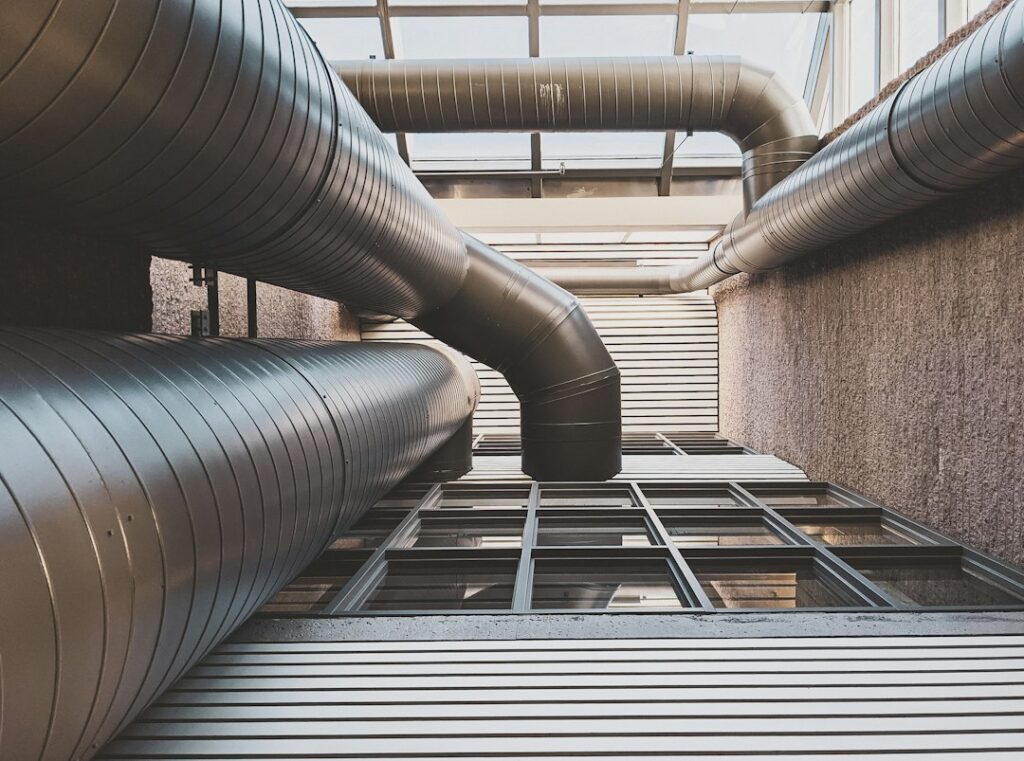
An HRV system uses fans to bring fresh air into your home and expel stale air. The core of the system transfers heat from the outgoing air to the incoming air. This way, it pre-warms the fresh air in winter and cools it in summer.
Benefits for Indoor Air Quality
By constantly exchanging air, HRV systems reduce indoor pollutants like dust, dander, and volatile organic compounds (VOCs). This can be especially beneficial in tightly sealed homes where air pollutants tend to accumulate.
- Allergen Reduction: Filtering air as it enters your home can help decrease allergens.
- Humidity Control: HRVs can manage indoor humidity levels, reducing mold growth.
Energy Efficiency Advantages
Aside from improving air quality, HRVs are energy-efficient. By recovering heat from exiting air, they decrease the energy needed to heat or cool incoming air, leading to lower energy bills.
With a heat recovery ventilation system, you improve air quality and save on energy costs without sacrificing comfort.
Installation Considerations
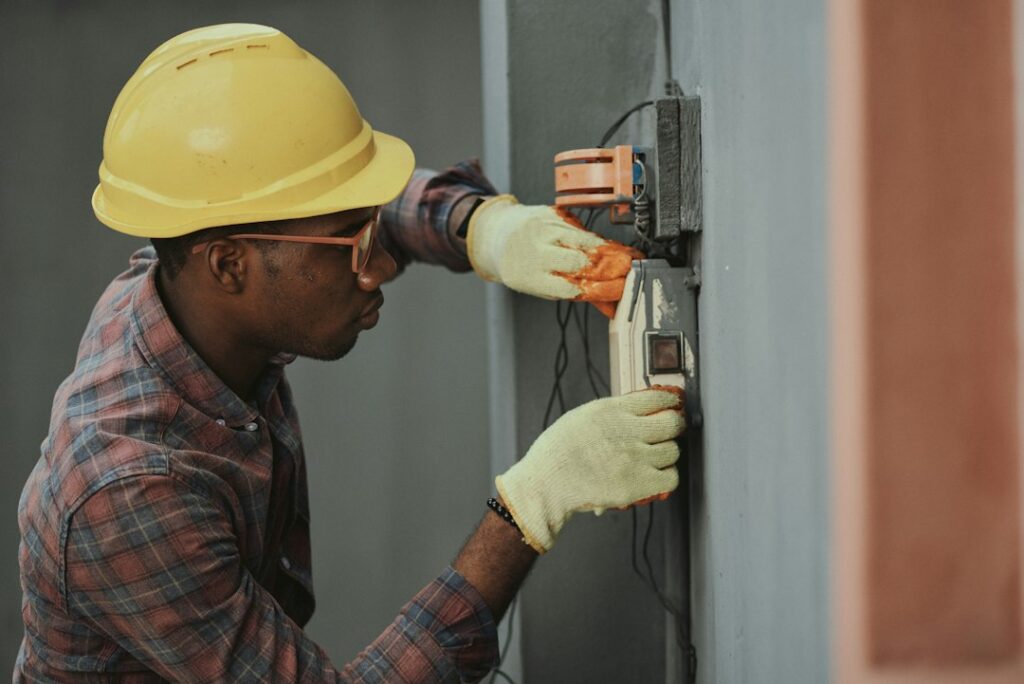
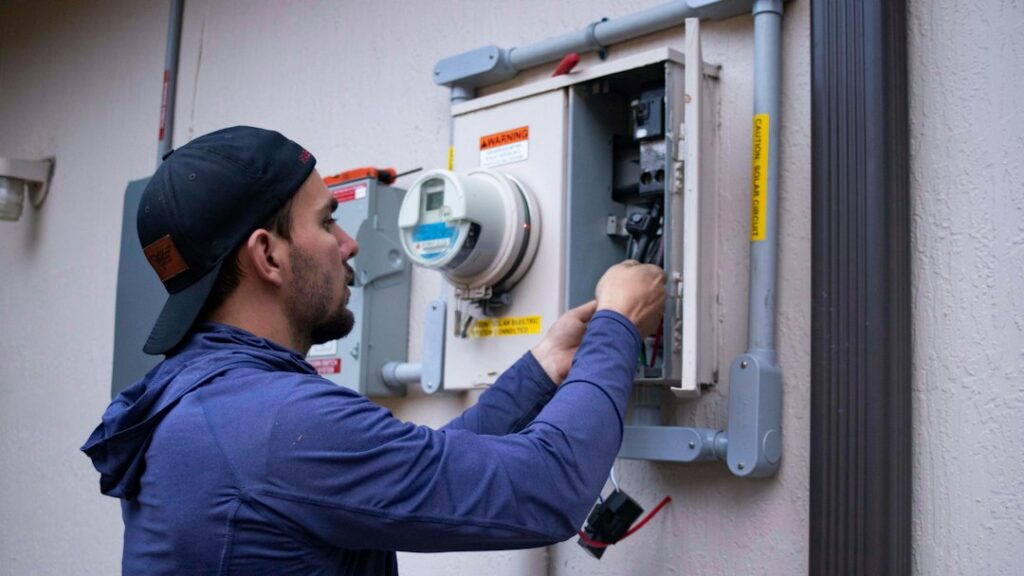
Installing an HRV system can be straightforward but requires professional expertise. It’s important to ensure that the system is properly sized and integrated into your existing HVAC setup. You can find experienced professionals in your area through our contractor directory.
Is an HRV System Right for You?
Consider your home’s age, insulation level, and the local climate. HRV systems are particularly beneficial in areas with significant temperature swings between seasons, such as in Calgary and other Canadian cities.
Incorporating a heat recovery ventilation system into your home not only enhances indoor air quality but also contributes to energy savings. Consult with an HVAC professional to determine the best fit for your specific needs.
Frequently asked questions
Can HRV systems be used in all types of homes?
While HRV systems are suitable for most homes, they are especially beneficial in newer, well-sealed homes where natural ventilation is limited. Older homes may require additional modifications for optimal performance.
How often should HRV systems be maintained?
HRV systems should generally be inspected and maintained at least once a year. This includes cleaning or replacing air filters and ensuring the heat exchanger is functioning correctly.
Are HRV systems noisy?
HRV systems are designed to be quiet, but noise levels can vary depending on the model and installation. Proper installation and maintenance can minimize noise issues.
Do HRV systems replace the need for air conditioning?
HRV systems are not a substitute for air conditioning but can complement it by improving air quality and managing humidity levels. They work alongside heating and cooling systems.