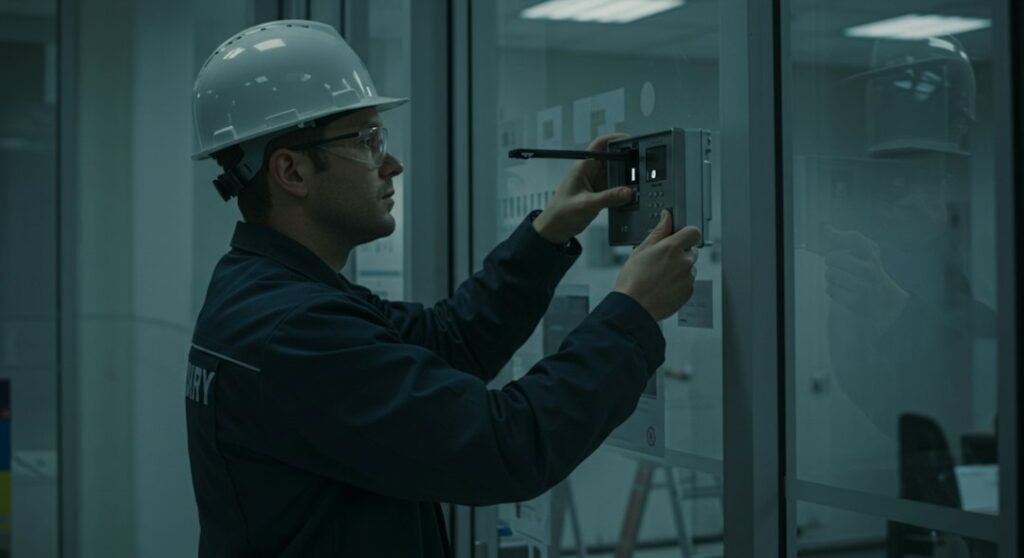
Understanding the types of HVAC air purification systems can help you choose the best solution for improving your home’s indoor air quality. These systems use different technologies to remove contaminants, ranging from simple filters to advanced air purifiers. Each technology offers unique benefits and limitations, impacting how effectively it purifies the air in your home.
HEPA Filters
HEPA (High-Efficiency Particulate Air) filters are one of the most effective types of air filters available. They can capture up to 99.97% of particles as small as 0.3 microns. This includes dust, pollen, mold spores, and some bacteria.
HEPA filters are particularly useful for those with allergies or asthma. However, they may require more frequent replacement compared to other filters, and your HVAC system must be compatible with their higher resistance.

Activated Carbon Filters
Activated carbon filters are designed to remove gases and odors from the air. They use a bed of activated carbon to trap volatile organic compounds (VOCs), smoke, and other odors. This makes them an excellent choice for homes with pets or smokers.
While effective at removing smells, carbon filters do not remove particles like dust and pollen. They are often used in combination with other filter types to provide comprehensive air purification.
UV Light Purifiers
UV (Ultraviolet) light purifiers use UV-C light to kill bacteria, viruses, and other microorganisms. By installing UV lamps in your HVAC system, you can reduce the presence of airborne pathogens.
These systems are effective at sterilizing the air but are limited in their ability to remove particles or gases. They work best when used alongside other purification methods.
Electrostatic Air Cleaners
Electrostatic air cleaners use an electric charge to attract and trap particles. These systems can be efficient for removing dust, smoke, and pollen from the air.
They have the advantage of being washable and reusable, reducing long-term costs. However, they may produce ozone, which can be harmful in high concentrations.
Ionizers
Ionizers release charged ions into the air, which attach to particles, making them heavy enough to fall to the ground or be captured by a filter. This can help reduce allergens and dust.
While ionizers can improve air quality, they may also produce trace amounts of ozone. It’s important to ensure that any ionizer used complies with safety standards to minimize potential health risks.
Choosing the right HVAC air purification system depends on the specific contaminants you want to target and the conditions in your home.
Practical Considerations
When selecting an air purification system, consider factors such as the specific pollutants in your home, the compatibility with your current HVAC system, and ongoing maintenance needs. Consulting with an HVAC professional can help you make an informed decision. If you’re in Toronto or Calgary, you can look for qualified contractors here and here.