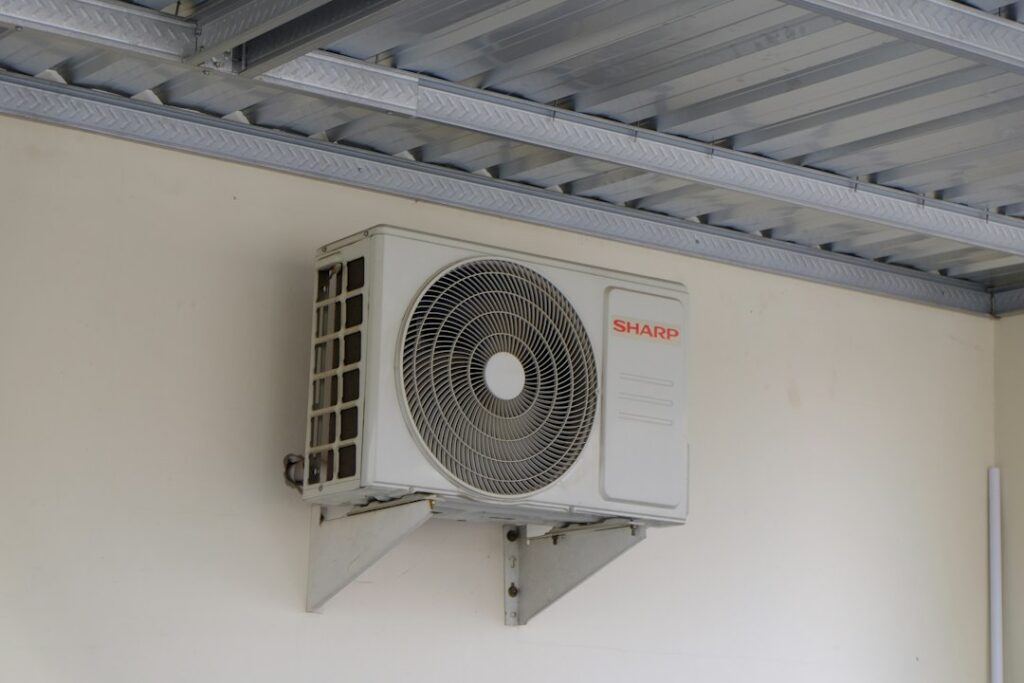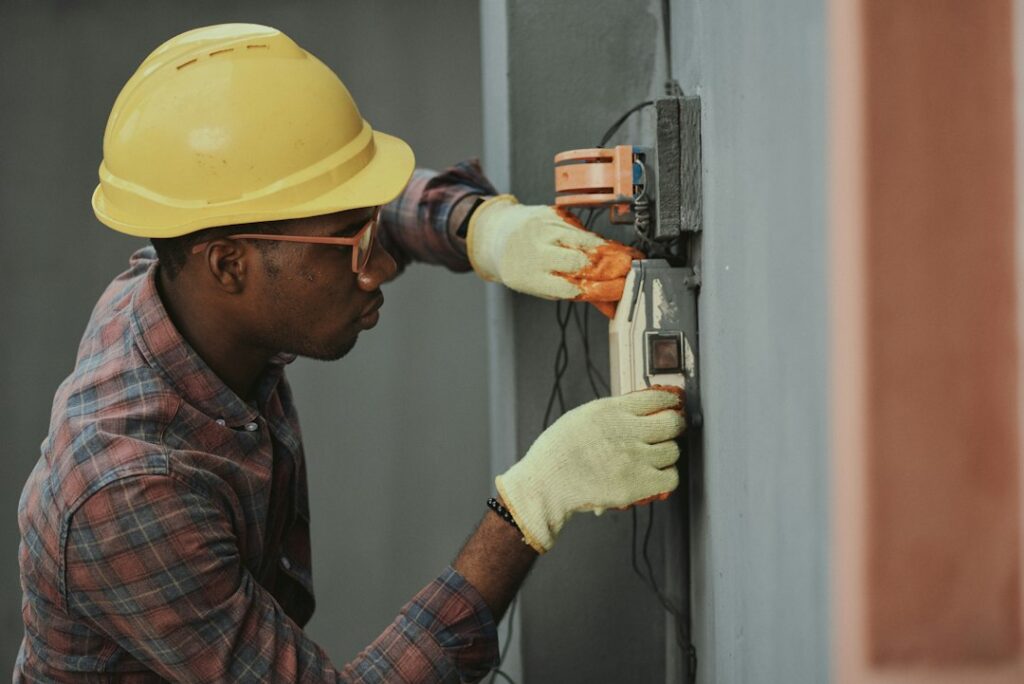
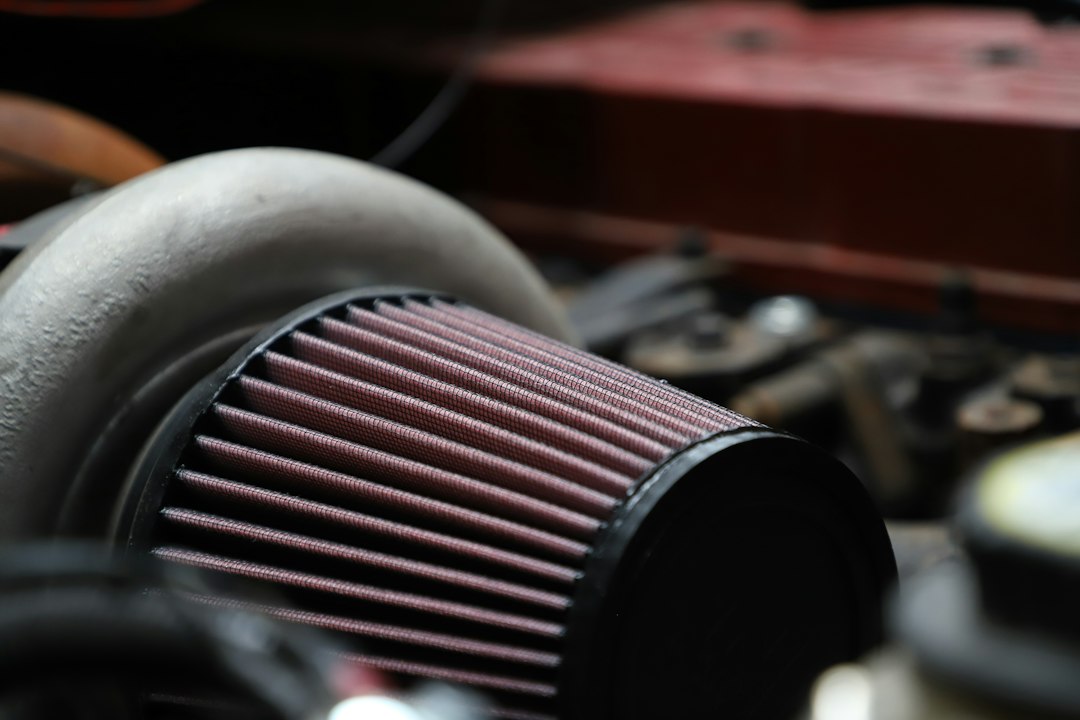
Reducing allergens in your home can be as simple as maintaining your HVAC system and choosing the right filters. Routine maintenance helps your system work efficiently, while the right filters trap dust, pollen, and other allergens.
Regular HVAC Maintenance
Regular maintenance of your HVAC system is crucial to minimize allergens. Scheduled check-ups ensure that your system is clean and running efficiently. A well-maintained system circulates air effectively, reducing the concentration of allergens.
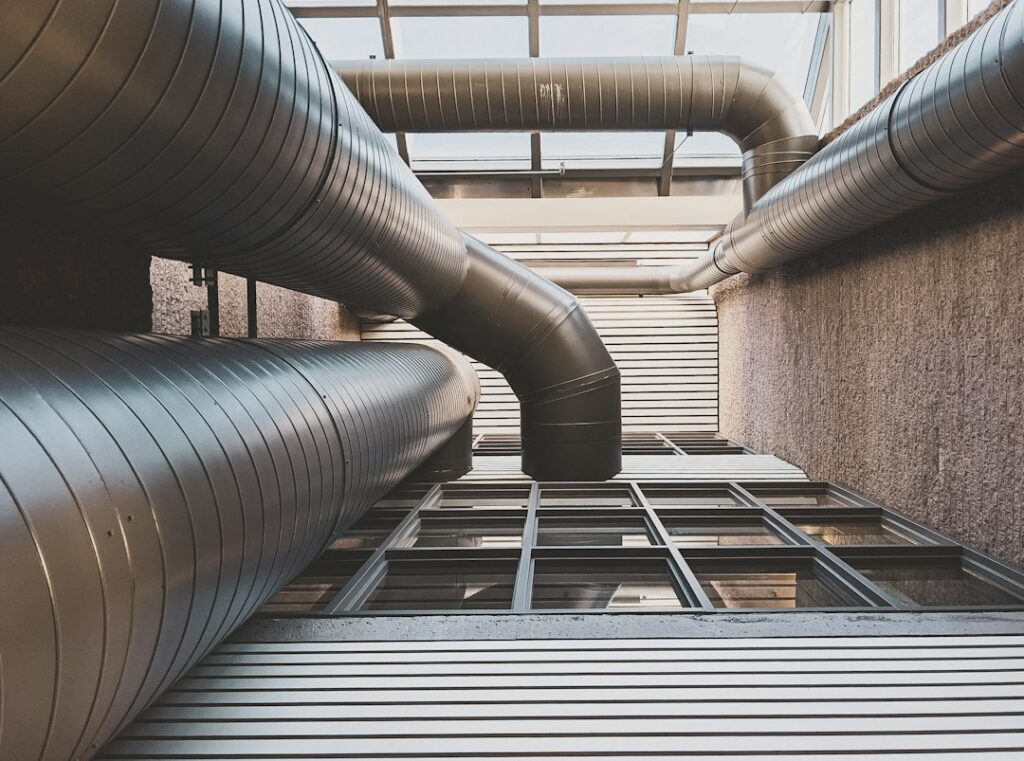
- Inspect and clean ducts: Dust and debris in air ducts can contribute to allergies. Have them inspected and cleaned by a professional.
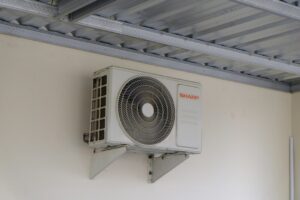
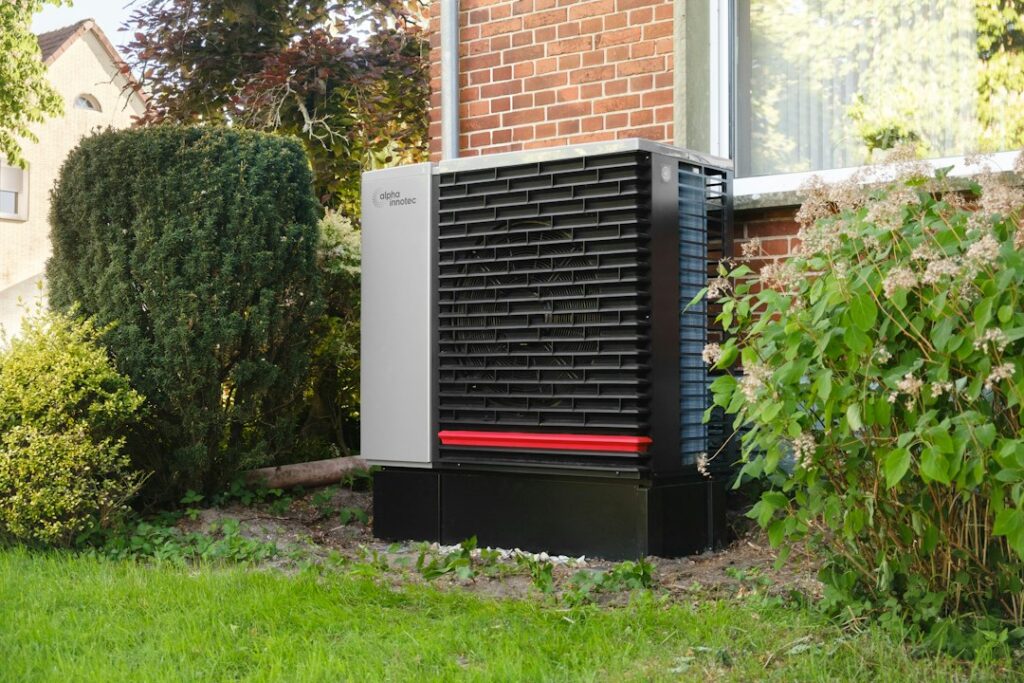
- Service your HVAC unit: Regular servicing by a qualified technician keeps your system in optimal condition. Find contractors in Toronto or Calgary for local help.
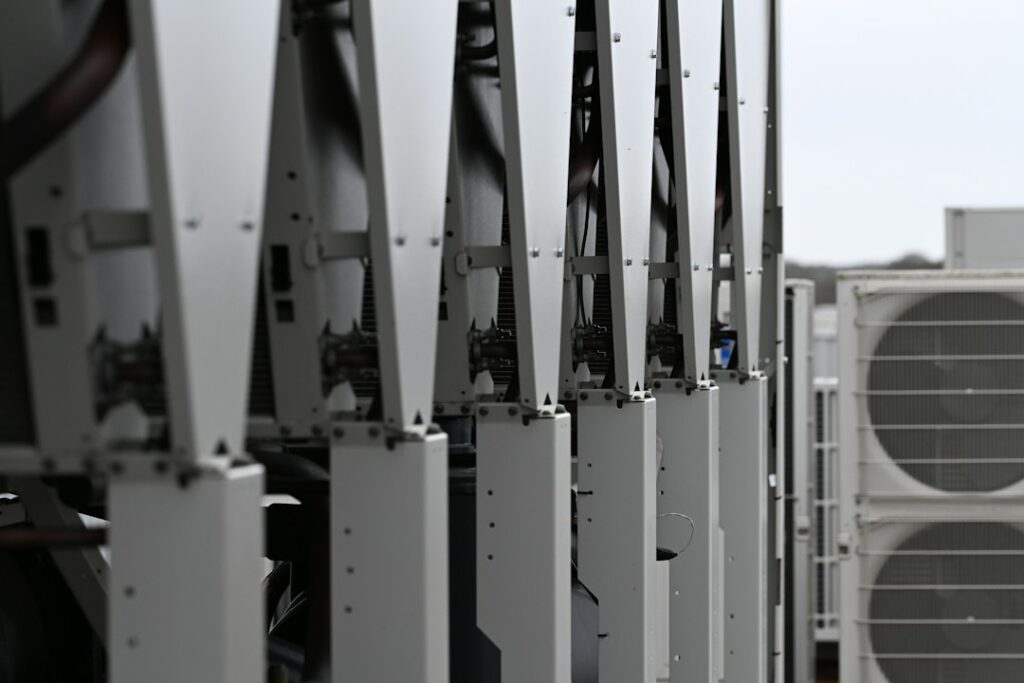
Choosing the Right Filter
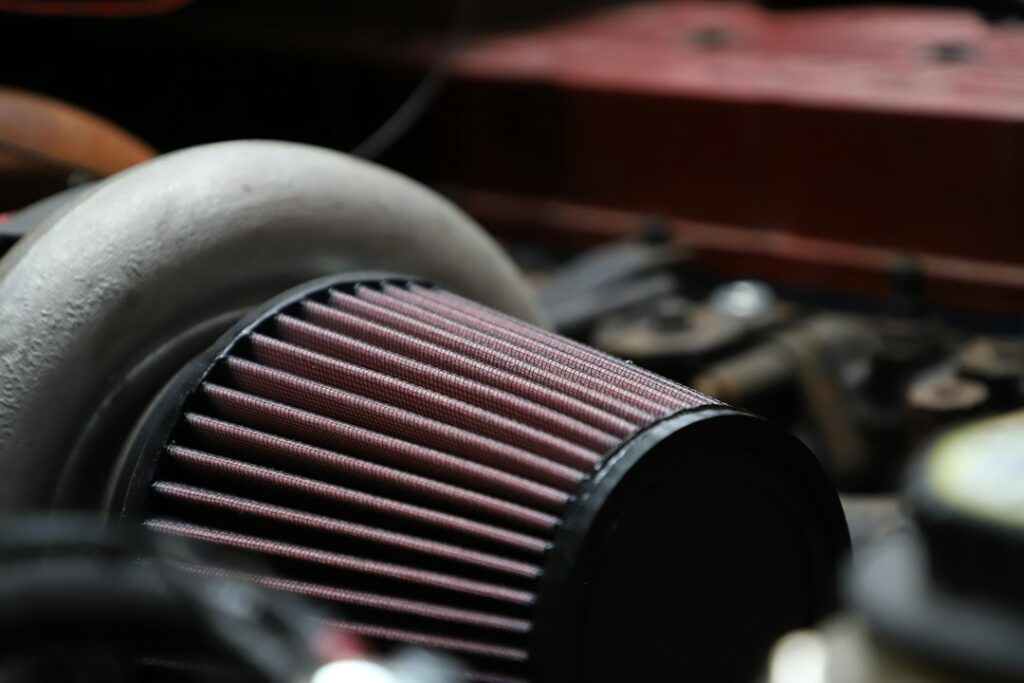
Not all filters are created equal. Selecting a filter with a high Minimum Efficiency Reporting Value (MERV) rating can significantly reduce allergens. However, make sure it suits your HVAC system to avoid airflow issues.
HEPA filters are also effective but check compatibility with your system first. They capture small particles, including pollen and pet dander, making them ideal for allergy sufferers.
Regular Filter Replacement
Changing your HVAC filter regularly is essential in reducing allergens. A clogged filter can’t trap particles effectively, so replace it every three months, or more often if you have pets or allergies.
“A clean filter is your first line of defense against indoor allergens.”
Set reminders or mark your calendar to ensure timely replacements, keeping your system efficient and your air clean.
Improve Indoor Air Quality
Your HVAC system plays a significant role in maintaining indoor air quality. Beyond filters, consider using a whole-home air purifier for added protection. These systems work with your HVAC to capture airborne particles and improve air quality.
Control Humidity Levels
Humidity control is another tool in your allergen-fighting arsenal. Too much moisture can promote mold growth, a common allergen. Use a dehumidifier if your home is humid, particularly in basements and bathrooms.
Conversely, if your home is too dry, consider a humidifier to maintain balance. This can prevent dry air from irritating respiratory passages, which is beneficial for allergy sufferers.
Practical Steps Forward
To keep allergens at bay, commit to maintaining your HVAC system and choosing the right filters. This simple routine helps create a healthier indoor environment. For professional assistance, connect with local HVAC contractors to ensure your system supports allergy reduction.
Frequently asked questions
How often should HVAC filters be replaced?
HVAC filters should be replaced every three months, or more frequently if you have pets or allergies. This ensures efficient operation and effective allergen reduction.
What is a MERV rating?
MERV stands for Minimum Efficiency Reporting Value. It measures a filter's ability to capture particles. Higher MERV ratings indicate better filtration but must be compatible with your HVAC system.
Can a whole-home air purifier help with allergens?
Yes, a whole-home air purifier can enhance your HVAC system's ability to remove allergens by capturing airborne particles, improving overall indoor air quality.
How do I know if my ducts need cleaning?
Signs your ducts need cleaning include visible dust buildup, mold growth, or an increase in allergy symptoms. A professional inspection can confirm the need for cleaning.