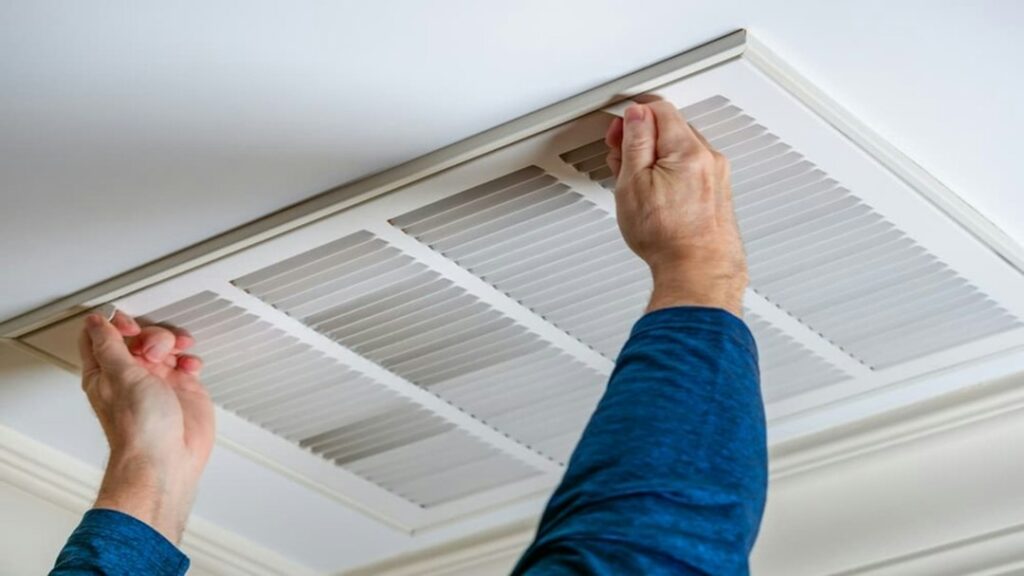
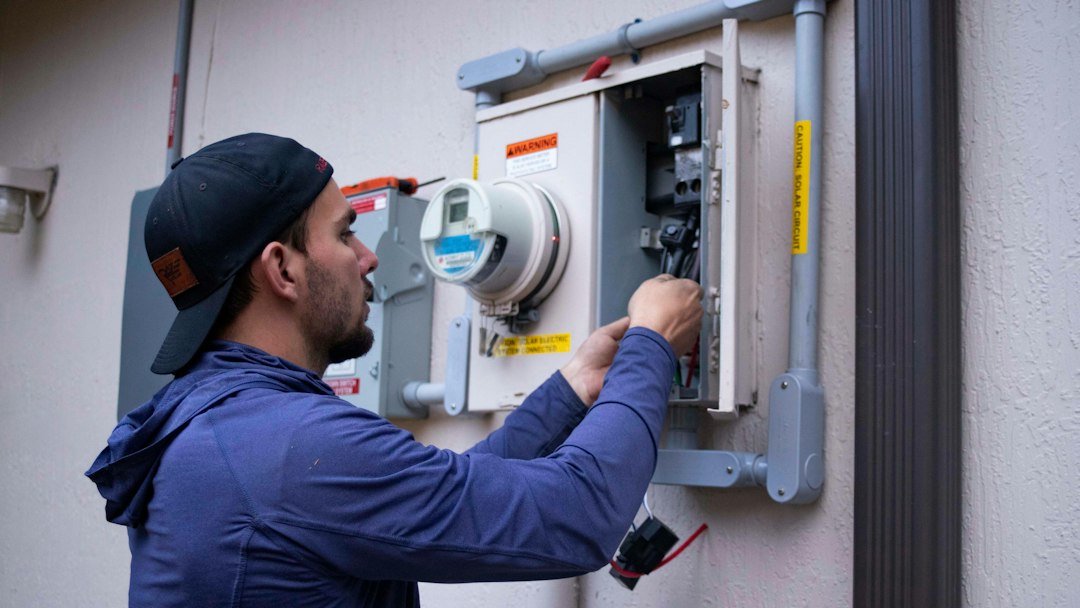
Heating load refers to the amount of heat energy needed to maintain a comfortable indoor temperature. It influences the selection and efficiency of HVAC systems by determining the size and type of unit required to meet a home’s heating demands.
What is Heating Load?
The heating load is the calculation of how much heating is required to keep a home at a comfortable temperature. It’s based on several factors including the outdoor climate, the size of your home, and its insulation levels.
- Outdoor Climate: Colder climates require more heating to maintain indoor comfort.
- Home Size: Larger homes generally need more heating capacity.
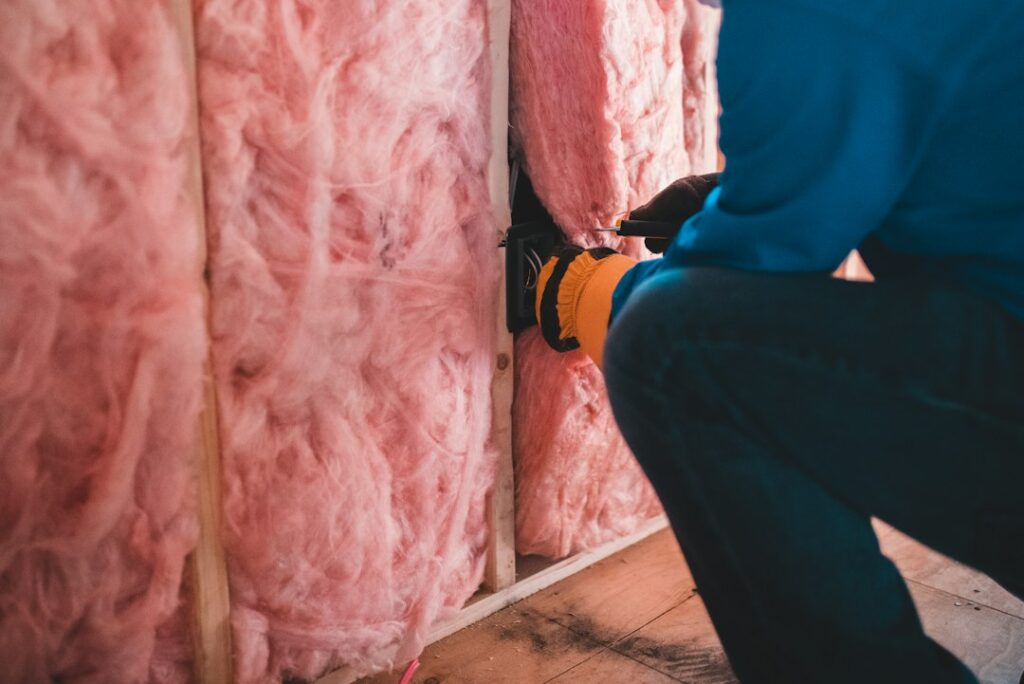
- Insulation Levels: Well-insulated homes lose less heat and have a lower heating load.
Understanding these factors helps in choosing the right HVAC system for efficiency and comfort.
How Heating Load Affects HVAC System Selection
Choosing the correct HVAC system starts with an accurate heating load calculation. An undersized system will struggle to heat your home, while an oversized one will cycle on and off too frequently, leading to inefficiency and wear.
Contractors use heating load calculations to recommend systems that are the right fit for your home. If you’re in cities like Toronto or Calgary, local experts can provide tailored advice.
Factors Impacting Heating Load
Several elements can affect your home’s heating load beyond just size and insulation:
- Windows: Large windows without proper glazing can increase heating load.
- Air Leaks: Gaps in doors and windows can cause heat loss, increasing the load.
- Sun Exposure: Homes with lots of direct sunlight might need less heating.
Considering these factors can lead to more accurate heating load assessments.
Importance of Professional Assessment
While online calculators can provide a rough estimate of your heating load, professional assessments are more precise. HVAC contractors conduct detailed evaluations considering all relevant factors, ensuring the system chosen is efficient and reliable.
The right HVAC system size is crucial for maintaining comfort and efficiency, avoiding overuse or underperformance.
Energy Efficiency and Heating Load
Homes with lower heating loads benefit from more energy-efficient systems. This not only reduces utility bills but also lessens environmental impact. Ensuring that your home is as energy-efficient as possible can lower the required heating load, even before selecting an HVAC system.
Practical Steps for Homeowners
To ensure your heating load is managed effectively, consider these steps:
- Improve insulation to reduce heat loss.
- Seal any air leaks around windows and doors.
- Consult a professional for a detailed heating load assessment.
By taking these actions, you can optimize your home’s comfort and energy efficiency.