Regular HVAC filter changes can significantly reduce your energy bills by improving system efficiency and maintaining better indoor air quality. When filters are clean, your heating and cooling systems don’t have to work as hard, consuming less energy and saving you money.
How Dirty Filters Affect Energy Consumption
Clogged filters restrict airflow, forcing your HVAC system to work harder to circulate air through your home. This increased workload results in higher energy usage, leading to increased utility costs. By changing the filters regularly, you ensure that the system operates smoothly and efficiently.
Impact on Indoor Air Quality
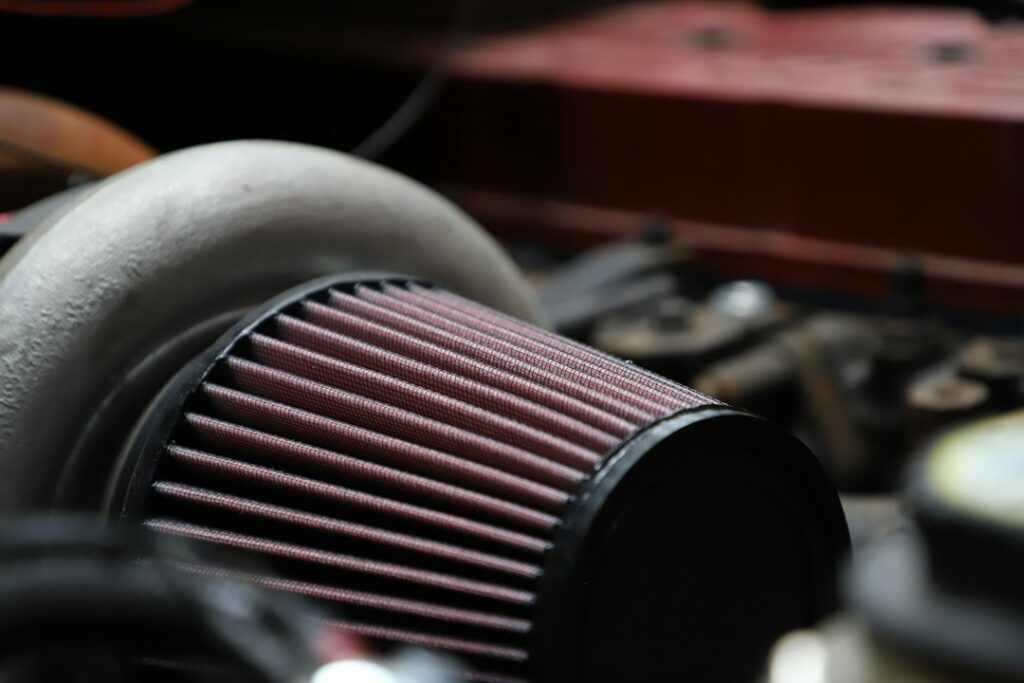
A clean filter does more than just manage energy consumption; it also traps dust, pollen, and other airborne particles that can affect your indoor air quality. When filters are dirty, these particles can circulate through your home, potentially impacting health and comfort.
Health Benefits
Improved indoor air quality can lead to fewer allergy and asthma symptoms, as well as a reduction in respiratory problems. This is especially important in homes with children, seniors, or anyone with existing health issues.
Longevity of Your HVAC System
Regular filter changes can extend the lifespan of your HVAC system. When the system doesn’t have to strain against clogged filters, there is less wear and tear on components like the motor and fan. Over time, these parts are less likely to fail prematurely, saving you from costly repairs or replacements.
Cost-Effective Maintenance
Changing filters is one of the simplest and most cost-effective ways to maintain your HVAC system. Filters are relatively inexpensive and can be replaced without the need for a professional. Regular maintenance ensures that your system runs at peak efficiency, minimizing unexpected breakdowns.
Changing your HVAC filter regularly keeps energy bills low by ensuring your system runs efficiently and cleanly.
Environmental Impact
Using less energy not only saves money but also benefits the environment. When your HVAC system operates efficiently, it reduces the demand for energy from fossil fuels, lowering your carbon footprint. This small change can contribute to larger environmental conservation efforts.
If you need help finding a reliable HVAC contractor for more extensive maintenance or system replacement, check out our directory of HVAC contractors across Canada.
Practical Steps to Change Your Filter
To ensure you’re changing your filter regularly, set a reminder every one to three months, depending on usage and the manufacturer’s recommendations. If you’re unsure about the process or need professional help, consider reaching out to contractors in Toronto or your local area.
Frequently asked questions
How often should HVAC filters be changed?
Filters should generally be changed every one to three months. The exact timing depends on factors like the type of filter, the presence of pets, and the overall air quality in your home.
Can a dirty filter damage my HVAC system?
Yes, a dirty filter can cause the system to work harder, leading to strain on components such as the motor and fan. Over time, this can result in system damage or failure.
What types of filters are best for improving air quality?
HEPA filters and high-efficiency pleated filters are excellent for improving air quality as they trap smaller particles, including allergens and dust. However, ensure your system is compatible with these filters.
Are there signs that my filter needs changing?
Signs include increased dust in your home, higher energy bills, and reduced airflow from vents. If you notice these, it might be time to check and change your filter.
Can I change the HVAC filter myself?
Yes, changing the filter is a simple task that most homeowners can do themselves. Always follow the manufacturer's instructions to ensure proper installation.