
How to Choose Energy-Efficient Windows for Better HVAC Performance

Choosing energy-efficient windows can significantly improve your HVAC system’s performance by reducing drafts and maintaining your home’s temperature. This not only enhances comfort but also lowers energy bills. Look for windows with high insulation values and features that align with your local climate. Understanding Energy Efficiency Ratings When selecting windows, pay attention to their energy […]
Impact of Ceiling Fan Direction on Heating Costs
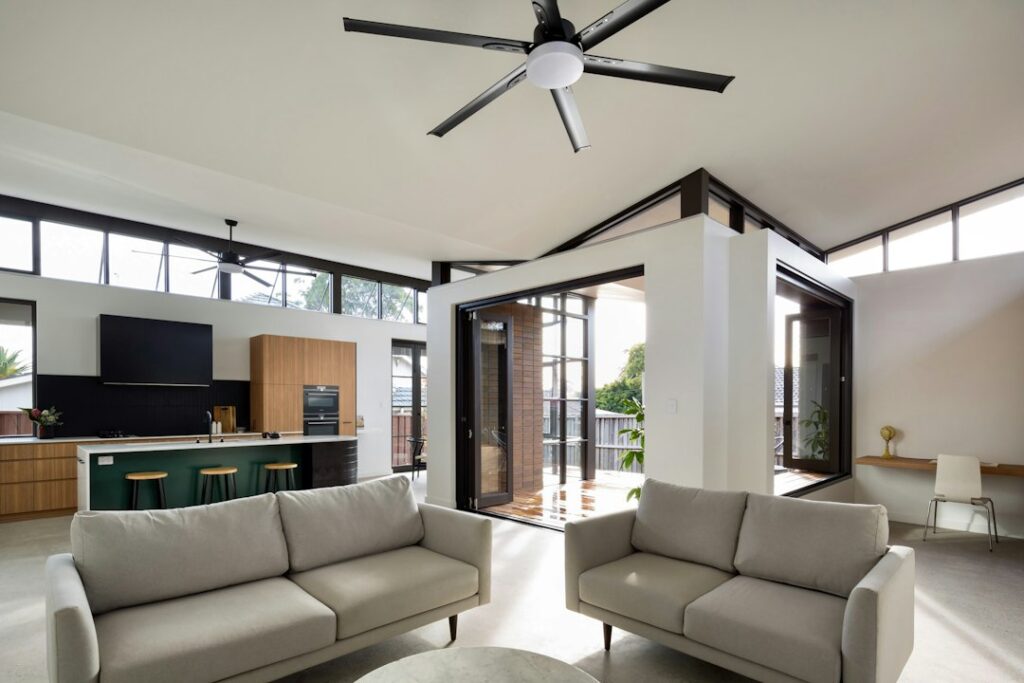
To save on heating costs during the winter, set your ceiling fan to rotate clockwise at a low speed. This helps circulate warm air trapped near the ceiling back down to where you can feel it, making your heating system more efficient. Why Fan Direction Matters in Winter Ceiling fans are often associated with cooling […]
How to Adjust Your Thermostat for Seasonal Changes
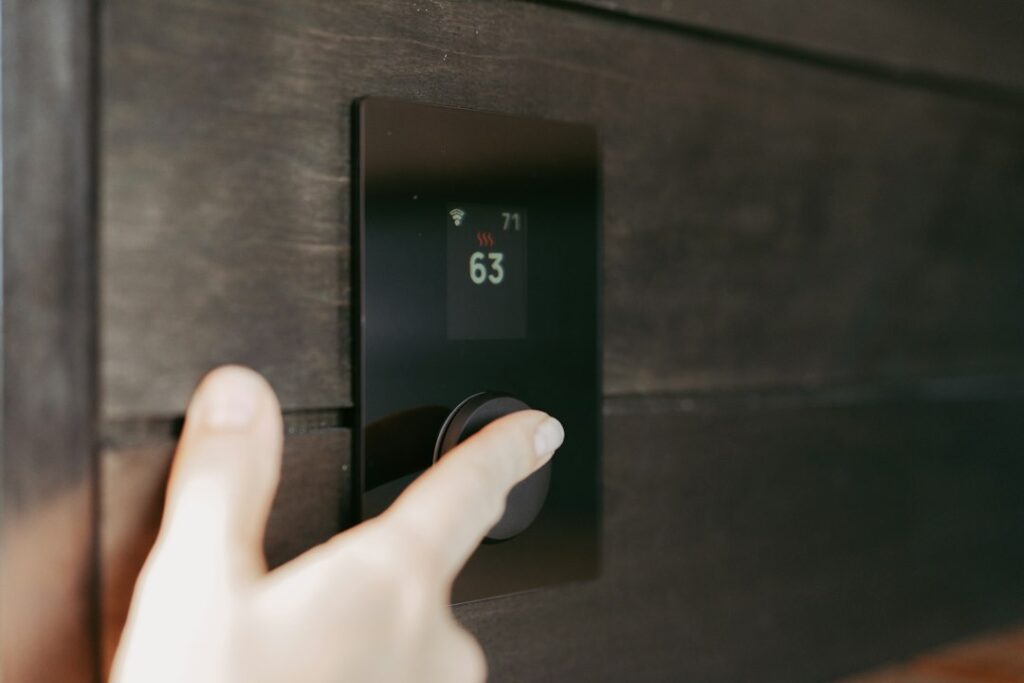
To adjust your thermostat for seasonal changes, set it to 20°C (68°F) in winter and 25°C (77°F) in summer when you’re home. Lower the temperature at night and when you’re away to enhance energy efficiency and comfort. Adjustments help save energy and keep your home comfortable year-round. Why Seasonal Adjustments Matter Adjusting your thermostat with […]
How Humidifiers Impact Home Heating Efficiency

Proper humidity levels in your home can make your heating system more efficient. A humidifier adds moisture to the air, which can help you feel warmer at lower temperatures, potentially reducing your heating bills. Maintaining the right humidity level is a simple way to enhance home comfort and save money. Why Humidity Matters Humidity affects […]
Understanding HVAC Air Balancing and Its Benefits
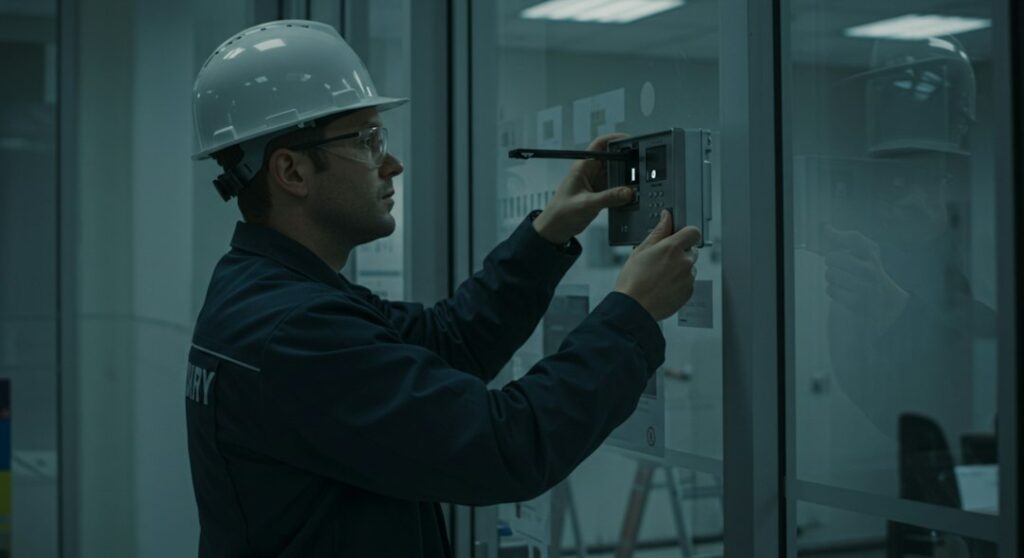
HVAC air balancing is the process of adjusting the airflow in your heating and cooling system to ensure even distribution throughout your home. This can lead to improved energy efficiency and increased comfort by eliminating hot and cold spots. Proper air balancing can also help your HVAC system work more efficiently, potentially extending its lifespan. […]
Maximizing Heat Retention Without Spiking Heating Bills

To maximize heat retention in your home without spiking heating bills, focus on improving insulation and using thermal curtains. These strategies will help keep the warmth in and the cold out, reducing the need for extra heating. Focus on Insulation Insulation is the backbone of heat retention. Start by checking your attic, walls, and floors […]
What to Consider When Downsizing Your HVAC System
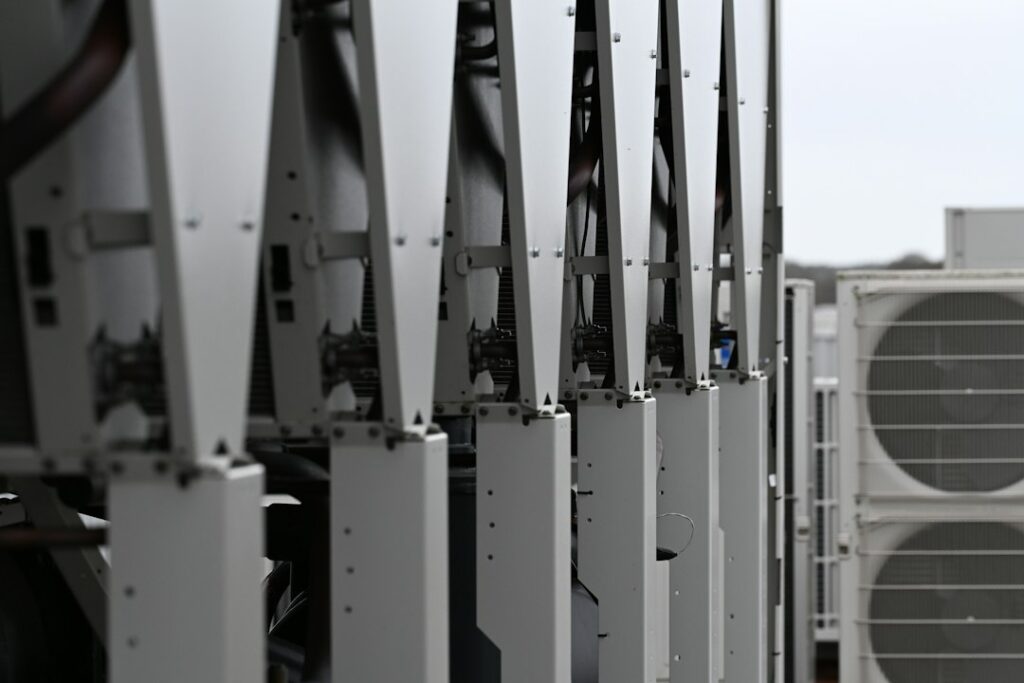
Downsizing your HVAC system can lead to improved energy efficiency and cost savings, but it’s not always the right choice for everyone. Consider your home’s insulation, size, and climate to determine if a smaller system will meet your needs without sacrificing comfort. When a Smaller System Makes Sense If your current HVAC system is oversized, […]
Should You Insulate HVAC Ducts?
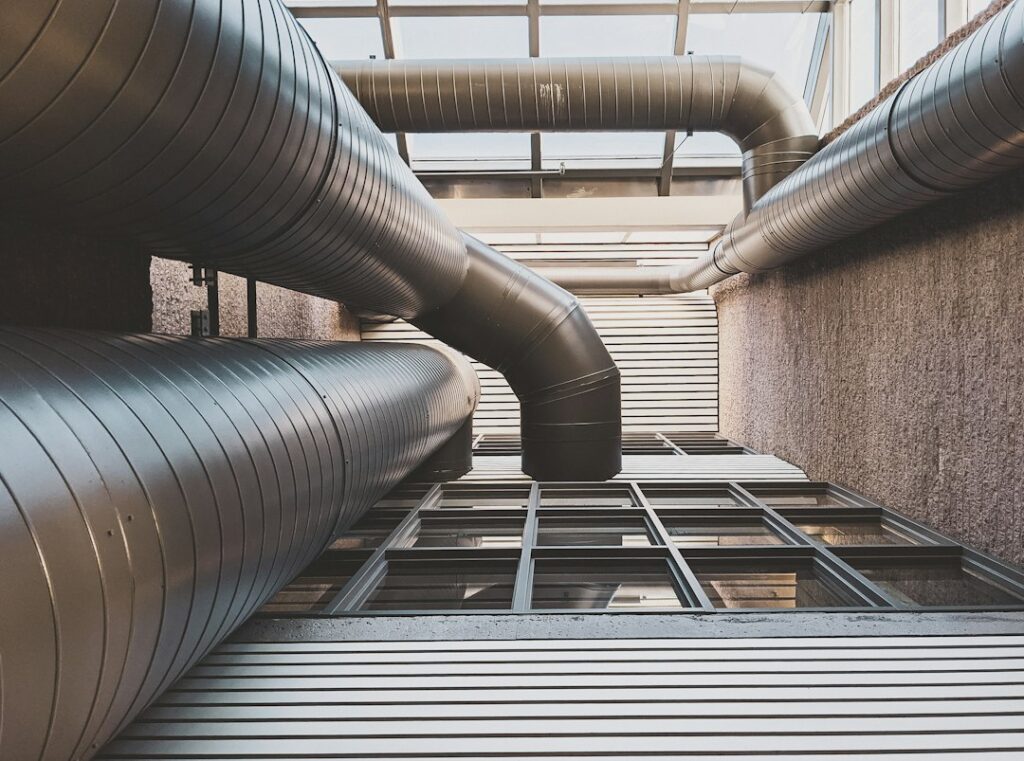
In cold climates like Canada, insulating HVAC ducts can significantly improve your home’s heating efficiency and reduce energy costs. By minimizing heat loss, insulated ducts help maintain consistent indoor temperatures, leading to a more comfortable home environment. Why Insulate HVAC Ducts? Insulating HVAC ducts is important for preventing heat loss as air travels through your […]
How to Keep Your HVAC System Running Efficiently During a Heatwave
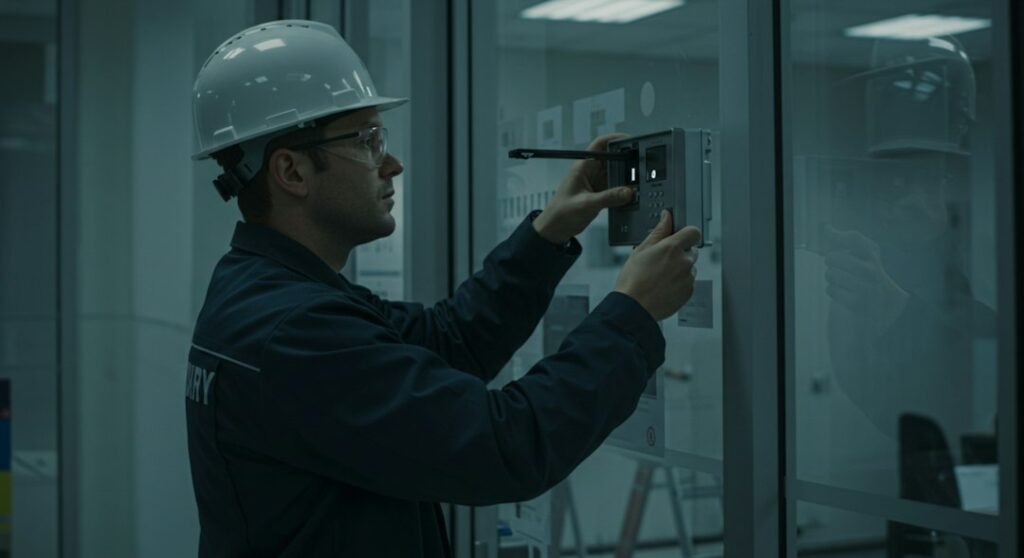
To keep your HVAC system running efficiently during a heatwave, ensure it is well-maintained, avoid overworking it, and use supplemental methods to reduce heat. Regular maintenance, smart thermostat use, and strategic cooling can prevent system overload and keep your home comfortable. Schedule Regular Maintenance Routine maintenance is crucial for HVAC efficiency, especially before a heatwave. […]
How to Upgrade Your HVAC System on a Budget
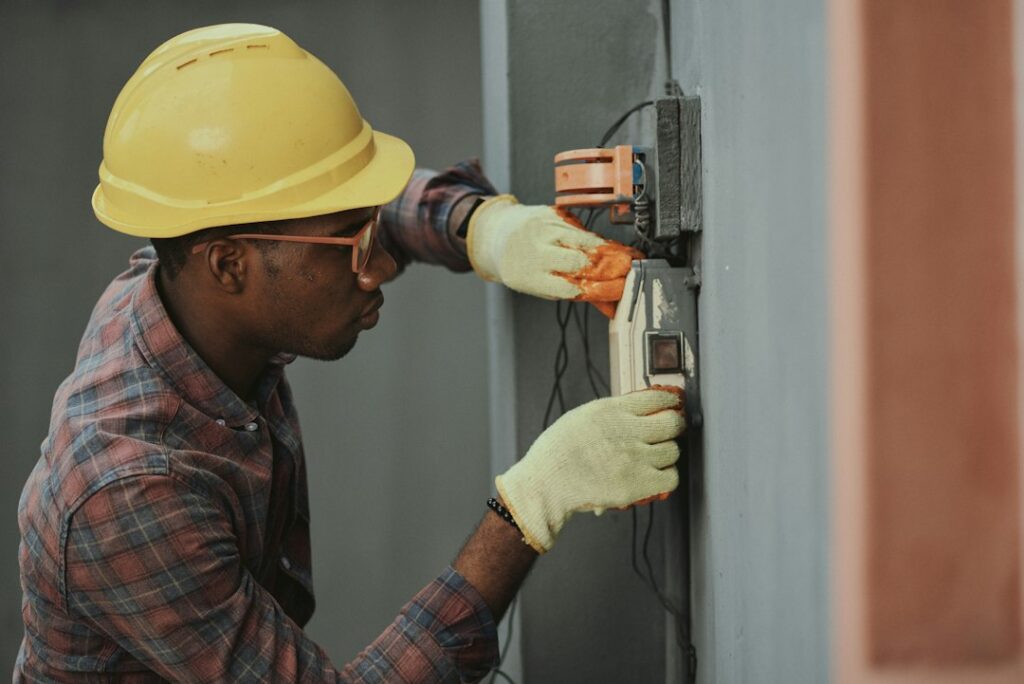
Upgrading your HVAC system doesn’t need to drain your wallet. By focusing on small, effective changes, you can improve energy efficiency without a major investment. Consider these budget-friendly upgrades to boost your system’s performance. Enhance Insulation and Sealing One of the simplest ways to improve HVAC efficiency is by enhancing your home’s insulation and sealing […]