
Choosing energy-efficient windows can significantly improve your HVAC system’s performance by reducing drafts and maintaining your home’s temperature. This not only enhances comfort but also lowers energy bills. Look for windows with high insulation values and features that align with your local climate.
Understanding Energy Efficiency Ratings
When selecting windows, pay attention to their energy efficiency ratings. Two key ratings to consider are the U-factor and Solar Heat Gain Coefficient (SHGC). The U-factor measures how well a window insulates, with lower numbers indicating better insulation. The SHGC measures how much solar heat a window lets in, with lower values preferred in hot climates and higher values in cold areas.
Window Frame Materials
Window frames play a crucial role in energy efficiency. Common materials include wood, vinyl, aluminum, and fiberglass, each with its pros and cons.
- Wood: Offers excellent insulation but requires regular maintenance.
- Vinyl: Low maintenance and good insulation, but less durable.
- Aluminum: Strong and durable but less energy-efficient due to high thermal conductivity.
- Fiberglass: Durable and energy-efficient, but often more expensive.
Glass Options for Energy Efficiency
The type of glass in your windows impacts their energy performance. Consider options like double or triple-pane glass, which provide better insulation than single-pane. Look for Low-E (low emissivity) coatings that reflect heat back into the room in winter and block solar heat in summer.
Climate Considerations
Your local climate heavily influences the best window choice for energy efficiency. In colder areas, windows with high U-factors and SHGC values are ideal. In warmer regions, choose windows with low SHGC to reduce cooling costs.
Local Expertise
Consulting with HVAC and window professionals in your area can provide insights specific to your climate. For instance, homeowners in cities like Toronto or Calgary might have different needs compared to those in Edmonton.
Installation Quality
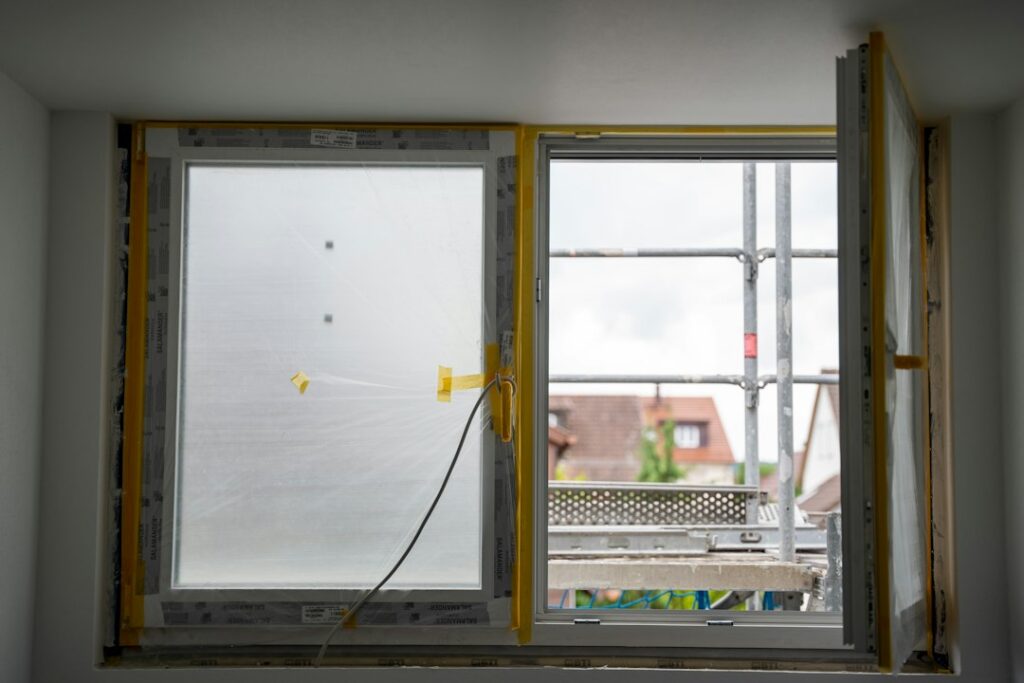
Proper installation is as crucial as the windows themselves. Poorly installed windows can lead to drafts and energy loss, negating the benefits of even the most efficient windows. Work with reputable contractors to ensure windows are installed correctly.
Choosing the right energy-efficient windows can enhance your home’s comfort and reduce your HVAC energy costs.
Practical Considerations
While energy-efficient windows can have a higher upfront cost, they offer long-term savings through reduced energy bills. Consider potential rebates or incentives available in your area, which can offset initial costs.
When planning your window upgrade, factor in the impact on your HVAC system’s performance. Consult with professionals to find the best solutions tailored to your home’s needs.
Frequently asked questions
What is the U-factor in windows?
The U-factor measures a window's insulation ability. Lower U-factor numbers indicate better insulation, meaning less heat escapes from your home.
How do Low-E coatings on windows work?
Low-E coatings reflect infrared heat, keeping heat inside during winter and blocking it during summer. This improves energy efficiency and comfort year-round.
Are triple-pane windows worth the investment?
Triple-pane windows offer superior insulation compared to double-pane, making them a good investment in extremely cold climates to reduce energy costs.
How can I find a reputable window installer?
Look for local contractors with good reviews and certifications. You can find HVAC contractors who may also handle window installations through directories like https://canadacoolandheat.com/hvac/.
Can energy-efficient windows impact my HVAC system's size?
Yes, more efficient windows can reduce the load on your HVAC system, potentially allowing for a smaller, more efficient system.