A well-designed duct system is crucial for efficient HVAC performance. Properly sized and installed ducts ensure good airflow, energy efficiency, and consistent temperatures throughout a home. Conversely, poor duct design can lead to uneven heating or cooling and increased energy bills.
How Duct Size Affects Performance
The size of your ducts directly impacts the airflow in your HVAC system. Ducts that are too small restrict airflow, causing your system to work harder than necessary. This leads to higher energy consumption and uneven temperatures. On the other hand, oversized ducts can reduce air velocity, potentially causing issues with temperature control and humidity.
The Role of Duct Layout
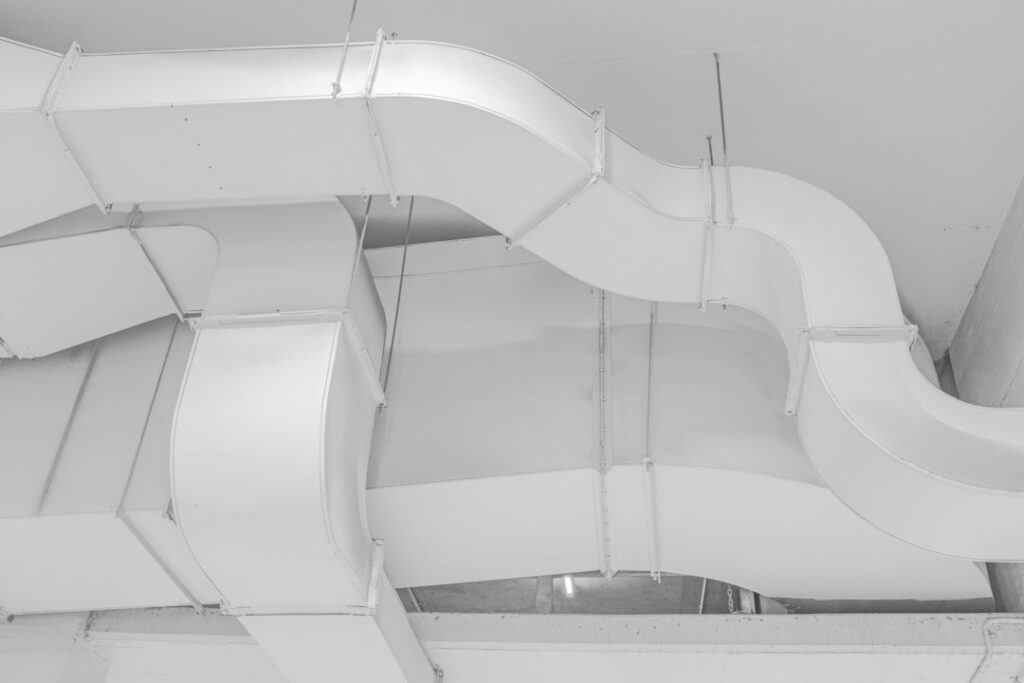
The layout of your ductwork determines how efficiently air moves through your home. A well-planned layout minimizes turns and bends, which can reduce airflow resistance. Ducts should be as short as possible and run in straight lines to optimize performance. Poor layout can lead to pressure imbalances and hotspots or cold spots in different areas of your home.
Insulation and Sealing
Insulation and sealing of ductwork are vital for maintaining the temperature of the air as it travels through the ducts. Without proper insulation, air can lose or gain heat, reducing overall system efficiency. Leaks in ducts are another common issue, resulting in lost conditioned air and increased utility bills.
Material Choices in Duct Design
The materials used in duct construction can influence system performance. Common materials include sheet metal, fiberglass, and flexible ducting. Metal ducts are durable but can be prone to air leaks if not sealed properly. Fiberglass ducts offer better insulation but may not be as durable. Flexible ducts are easy to install but can be more prone to damage and airflow restrictions.
Impact of Professional Installation
Professional installation is key to ensuring optimal duct system performance. Experienced contractors can design and install a ductwork system that matches your HVAC system’s requirements. Proper installation reduces the risk of leaks, poor airflow, and system inefficiencies. You can find reliable contractors in cities like Ottawa for expert advice and installation services.
“Proper duct design and installation are critical for maximizing HVAC efficiency and ensuring even heating and cooling throughout your home.”
Signs of Poor Duct Design
Recognizing signs of bad ductwork can help you address issues before they escalate. Common indicators include uneven temperatures between rooms, increased energy bills, and excessive dust in the air. If you notice any of these signs, consult a professional to assess your ductwork.
Practical Steps to Improve Duct Performance
Improving duct performance can be as simple as sealing leaks or adding insulation. In more severe cases, redesigning the duct layout may be necessary. Regular maintenance and inspection of your ducts can also prevent problems and extend the lifespan of your HVAC system. If you’re planning an upgrade or have concerns, consider consulting with a local professional.
Frequently asked questions
Why is duct size important in HVAC systems?
Duct size affects the airflow efficiency and energy consumption of HVAC systems. Incorrect sizing can lead to uneven temperatures and increased energy bills.
What are common materials used for ductwork?
Common ductwork materials include sheet metal, fiberglass, and flexible ducts. Each has different advantages, such as durability, insulation properties, and ease of installation.
How can I tell if my duct system is poorly designed?
Signs of poor duct design include uneven room temperatures, higher energy bills, and excessive dust. Consulting with a professional can help identify and fix these issues.
What is the benefit of professional duct installation?
Professional installation ensures your duct system is properly designed and installed to optimize HVAC performance, reducing leaks, inefficiencies, and potential issues.
How often should I inspect my ductwork?
It's advisable to inspect your ductwork every 3 to 5 years, or sooner if you experience issues like uneven temperatures or increased energy costs.