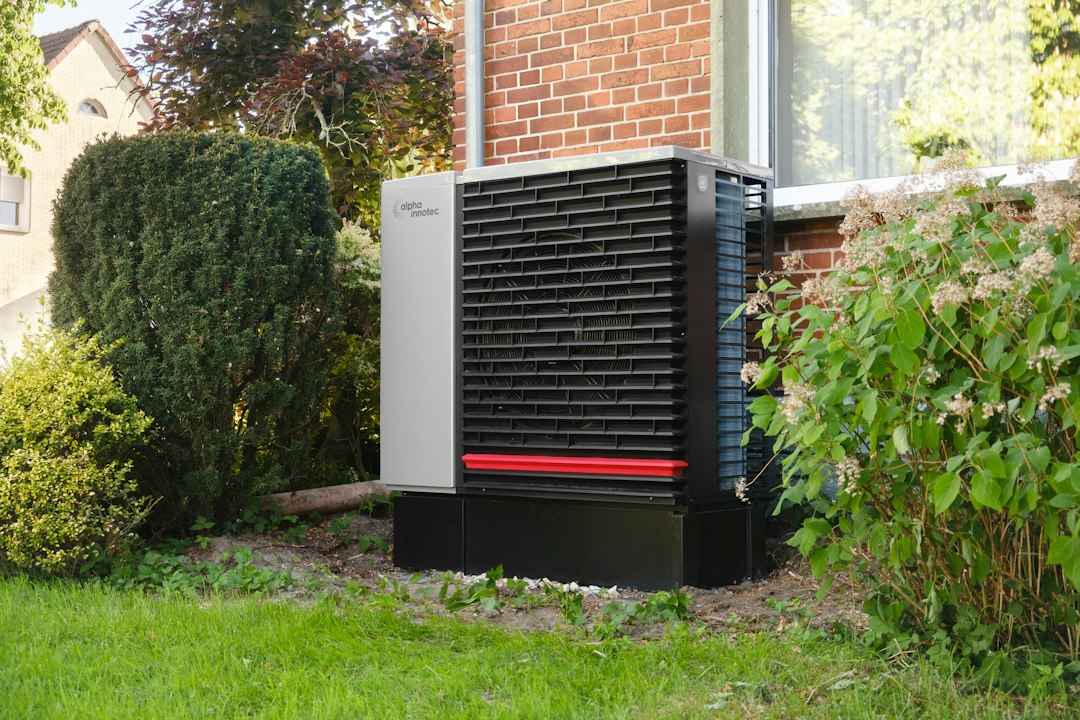
Heat pumps can significantly reduce humidity levels in your home during Canadian summers. They work by transferring heat from inside to outside, simultaneously removing moisture from the indoor air. This dual action enhances comfort and improves energy efficiency.
How Heat Pumps Remove Humidity
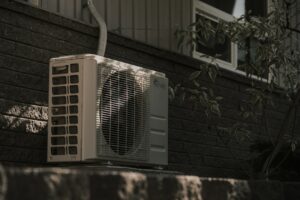
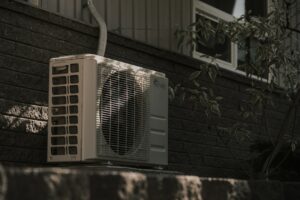
Heat pumps operate by moving heat rather than generating it, which allows them to dehumidify effectively. As the indoor air passes over the cold evaporator coil in the heat pump, moisture in the air condenses and is collected and drained away. This process cools the air and reduces humidity.

Benefits of Lower Humidity
Reducing humidity levels in your home can improve comfort. High humidity can make temperatures feel warmer than they are, leading to discomfort even when air conditioning is running. By reducing humidity, heat pumps help maintain a pleasant indoor environment.
Moreover, lower humidity levels can help prevent mold growth and reduce allergens, contributing to better indoor air quality.
Energy Efficiency
Heat pumps are known for their energy efficiency, which extends to their humidity control capabilities. By efficiently removing heat and moisture, they can reduce the need for additional air conditioning. This can help lower energy bills during the hot summer months.
Heat pumps can improve both comfort and energy efficiency by effectively reducing humidity levels in summer.
Choosing the Right Heat Pump
When selecting a heat pump, consider the size and capacity relative to your home’s needs. An appropriately sized heat pump will efficiently manage both temperature and humidity.
It’s important to consult with a professional contractor for advice. For those in Toronto or Montreal, local contractors can provide tailored recommendations.
Installation and Maintenance
Proper installation and regular maintenance are crucial for optimal performance of your heat pump. Ensuring that the system is installed correctly and serviced regularly will help it manage humidity effectively and efficiently.
Consider scheduling regular check-ups with professional HVAC contractors to keep your system in top shape.
Practical Tips for Homeowners
To maximize the benefits of a heat pump, ensure that your home is well-insulated and sealed. This will help the system work more efficiently. Additionally, use a programmable thermostat to maintain consistent temperature and humidity levels.