High-altitude homes require special considerations for HVAC systems. The thinner air at altitude affects both combustion and heat transfer, meaning systems may need adjustments to perform efficiently. Proper installation and modifications ensure comfort and safety.
Understanding Air Pressure and Oxygen Levels
At higher altitudes, the air pressure is lower, meaning there are fewer oxygen molecules available. This affects how HVAC systems, especially furnaces and boilers, operate. They rely on oxygen for combustion, and less oxygen means they can burn less fuel efficiently.
Systems not adjusted for altitude may underperform or even pose safety risks due to incomplete combustion. Homeowners should ensure their systems are calibrated for their specific altitude.

Modifications for High-Altitude HVAC Systems
Manufacturers often provide high-altitude kits to adjust HVAC systems. These kits might include:
- Nozzle adjustments: Smaller nozzles can reduce fuel input to match available oxygen.
- Pressure regulators: Ensuring proper gas flow despite lower atmospheric pressure.
Consulting with an HVAC professional is essential to identify and install the right modifications for each system.
Impact on Heating Efficiency
The efficiency of heating systems can decrease at high altitudes. Furnace and boiler ratings are typically based on sea level conditions, and efficiency can drop about 4% for every 1,000 feet above sea level.
Even the best HVAC systems require adjustment for altitude to maintain efficiency and safety.
Homeowners should factor this into their energy costs and consider more efficient models if living at higher elevations.
Air Conditioning Considerations
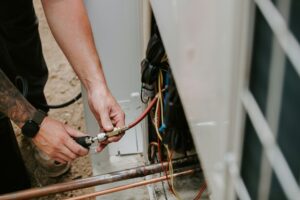
Air conditioning systems face different challenges. They rely on the properties of refrigerants, which can change with pressure. At higher altitudes, the system might need adjustments to refrigerant charge levels for optimal performance.
Regular maintenance becomes crucial to prevent wear from the system working harder to cool the home.
Finding the Right HVAC Contractor
Choosing a contractor familiar with high-altitude installations is crucial. They can assess and modify systems correctly. Find local professionals through directories, such as those listing contractors in Calgary, who understand the nuances of altitude adjustments.
Practical Tips for Homeowners
To ensure your HVAC system runs smoothly at high altitudes:
- Consult with a professional for proper adjustments.
- Regularly maintain your system to catch any altitude-related issues early.
- Consider the efficiency changes when selecting a new system.